
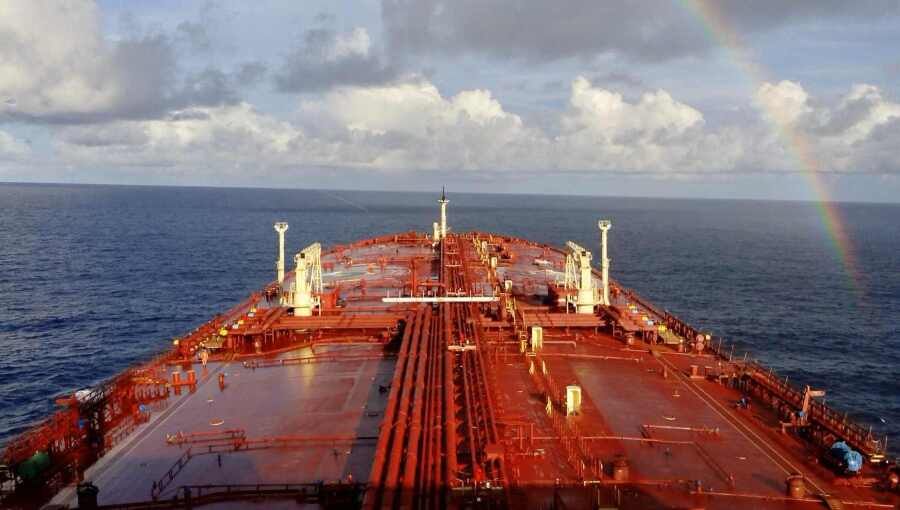
Historic emergency move aims to stabilize energy markets as the Strait of Hormuz crisis threatens global supply
MARKET INSIDER – The global energy system is facing its biggest stress test in years after the International Energy Agency agreed to release a record 400 million barrels of oil from strategic reserves to counter supply disruptions caused by the escalating Iran war.
The unprecedented intervention marks the largest coordinated emergency stock release in the agency’s history and signals growing alarm among major economies as tensions near the Strait of Hormuz threaten a critical artery of the world’s energy trade.
The IEA, which represents 32 advanced economies across Europe, North America, and Asia, said the release would occur gradually according to national circumstances. Founded in 1974 following the oil embargo during the 1973 Arab–Israeli War, the organization’s mandate is to coordinate responses to global energy crises.
IEA Executive Director Fatih Birol said the war in the Middle East is already having “significant impacts” on energy markets and poses serious risks to energy security and global economic stability. The emergency release is intended to soften the immediate shock, but Birol warned that restoring normal tanker traffic through Hormuz remains the real solution.
The narrow passage connecting the Persian Gulf and the Gulf of Oman normally carries roughly 20% of the world’s oil and gas supply, making it the most critical maritime chokepoint in the global energy system. Analysts estimate that nearly 20 million barrels per day typically transit the corridor—far exceeding the IEA’s maximum emergency drawdown capacity.
Oil markets have reacted violently since the conflict erupted on Feb. 28. Brent crude briefly surged close to $120 per barrel earlier in the week before retreating below $90 as traders priced in the possibility of strategic reserve releases and diplomatic intervention.
Some countries have already begun acting independently. Japan, one of the world’s largest energy importers, announced plans to release oil from its national reserves even before the IEA’s coordinated decision. Prime Minister Sanae Takaichi said the move reflects Japan’s exceptionally high dependence on Middle Eastern energy supplies.
IEA members currently hold more than 1.2 billion barrels of emergency public reserves, with an additional 600 million barrels maintained by industry under government obligations. The agency previously released 182 million barrels in 2022 following Russia’s invasion of Ukraine—until now the largest intervention in its history.
Yet analysts caution that stockpile releases alone cannot replace disrupted shipping flows if the Hormuz corridor remains unstable. Strategic reserves are designed to buy time, not solve structural supply shocks.
For global markets, the message is stark: governments are deploying their last line of defense against an energy crisis. The decisive factor will not be how many barrels are released from storage—but whether oil tankers can safely return to the world’s most important shipping lane.
