
Middle East airspace closures rattle global travel and fuel-cost outlook
MARKET INSIDER – Airline and travel stocks tumbled after widespread Middle East airspace closures forced thousands of flight cancellations, disrupting routes from Tel Aviv to Dubai and sending shockwaves across global travel markets. The selloff underscores how quickly geopolitical escalation can hit aviation demand, network economics, and fuel costs in one stroke.
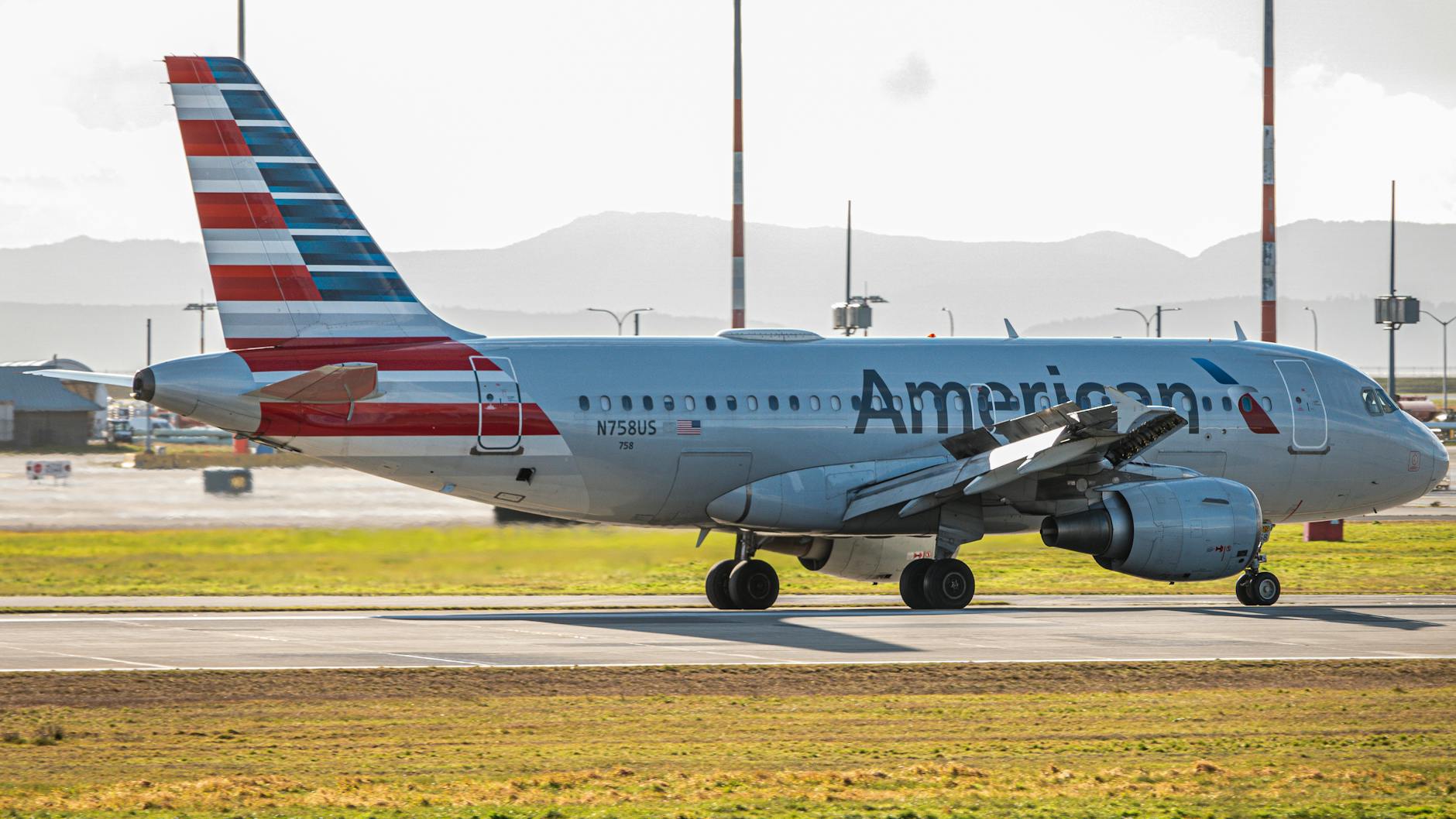
Shares of United Airlines fell about 6% in premarket trading, reflecting its heavier international exposure and reliance on long-haul routes such as Tel Aviv—historically among its most profitable. Delta Air Lines and American Airlines posted similar declines as carriers suspended services across the region, including to Dubai, one of the world’s busiest transit hubs and home base of Emirates.
Even more domestically focused operators like Southwest Airlines slipped as investors priced in the risk of higher oil prices. Jet fuel—typically airlines’ second-largest expense after labor—becomes an immediate margin threat when crude rises. With energy markets already on edge over potential Strait of Hormuz disruptions, the industry faces a dual headwind of lost revenue and rising input costs.
Hospitality stocks were not spared. Marriott International and Hilton Worldwide Holdings declined as travel uncertainty clouded what had been a bright spot for the sector: international demand. According to the International Air Transport Association, global international air travel demand rose 5.9% year over year in January, while domestic demand was nearly flat—making cross-border routes critical to earnings momentum.
The broader impact extends beyond cancellations. Rerouted flights burn more fuel and increase crew costs. Insurance premiums may rise in conflict zones, and passengers could defer discretionary travel amid uncertainty. Airlines that depend on Middle East hubs as connectors between Europe and Asia face disproportionate exposure.
For investors, the calculus is immediate: geopolitical risk compresses travel multiples while amplifying cost volatility. If the conflict remains contained, stocks may stabilize as routes reopen. But prolonged airspace closures and sustained oil price spikes could erode margins heading into peak summer travel season.
In aviation, resilience depends on network flexibility and fuel hedging. This week’s events are a reminder that geopolitics can ground growth in a matter of hours—and markets react just as quickly.
