
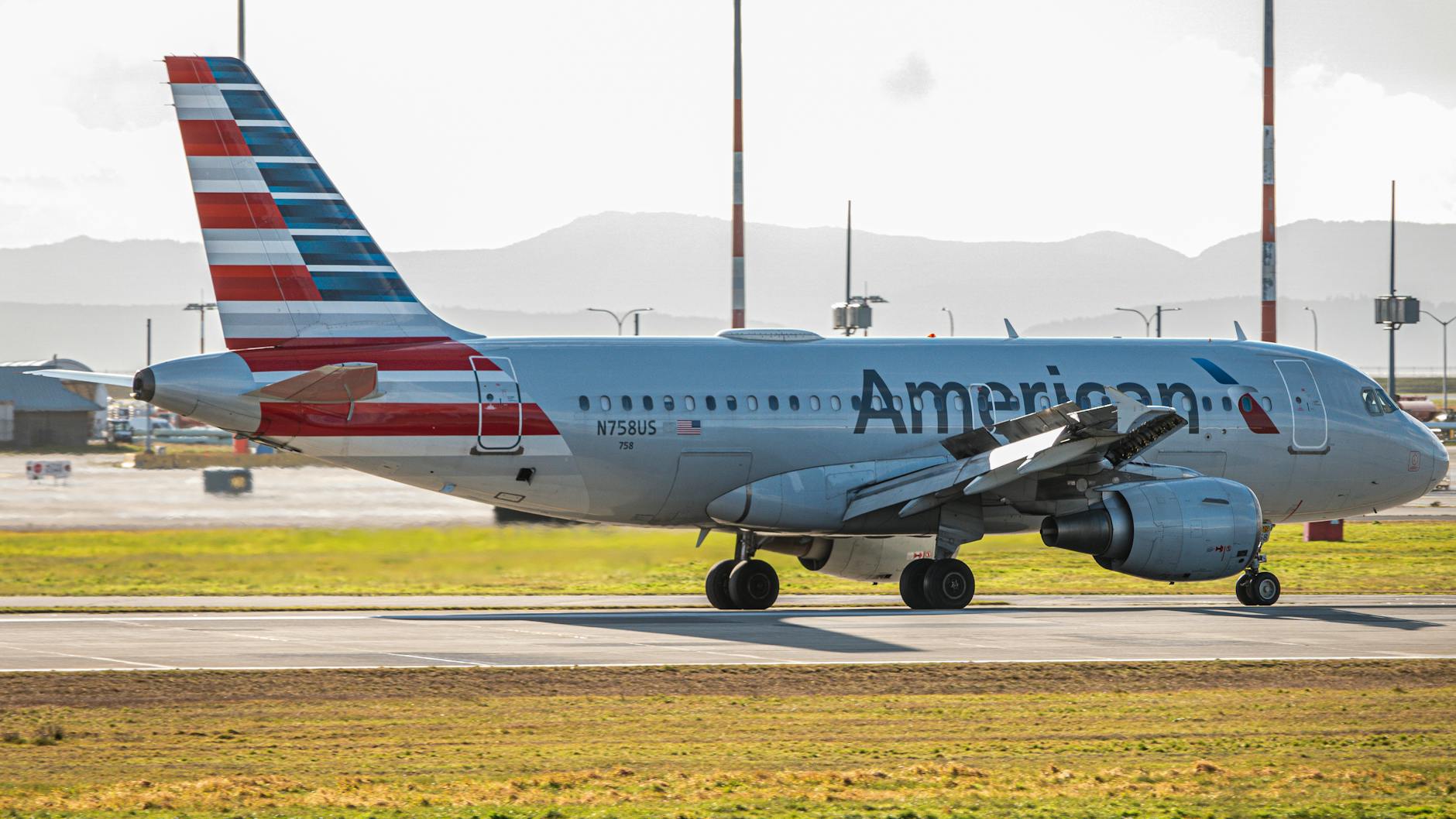
FORT WORTH, Texas (Market Insider) – American Airlines is embarking on an urgent, top-to-bottom transformation aimed at capitalizing on the post-Covid luxury travel boom, a high-margin segment where it has significantly lagged behind key rivals Delta Air Lines and United Airlines. While the carrier recently began serving Champagne Bollinger in its premium spaces, the move signals the start of a catch-up effort, not a celebration of victory.
American’s financial and operational performance underscores the necessity of this strategic pivot. In the first nine months of this year, the airline, which operates more flights than any other carrier globally, accounted for a mere 2% of the combined profit generated by the three largest U.S. carriers, earning only $12 million compared to Delta’s $3.8 billion and United’s $2.3 billion. This underperformance follows strategic errors, a historical reluctance to invest in customer experience enhancements, and a failed business-travel sales strategy that cost it key corporate accounts. Compounding the challenge, American ranked last in this year’s J.D. Power’s North American airline customer satisfaction study and placed ninth out of ten airlines for on-time arrivals in the first half of the year.
The Strategic Shift: Investing in Premiumization
CEO Robert Isom and Chief Customer Officer Heather Garboden are leading a comprehensive effort to uplift the American brand and win back both customers and investors. The core of the new strategy is a premium-focused product refresh and a shift away from the former industry belief that only “price and schedule” drove airline differentiation.
The airline’s investment plans are substantial. American expects its capital spending to total $3.8 billion this year, rising to around $4.5 billion next year, with a focus on its fleet and customer-facing amenities. The carrier is making significant investments in the “precious real estate” of premium cabins, where rivals have already demonstrated a willingness among travelers to pay a premium for bigger seats and a better experience.
Key product investments include:
- New Premium Cabins: American is in the middle of a push to refresh its longer-haul premium cabins. This includes refurbishing its Boeing 777-200 aircraft with a new Flagship Suite featuring sliding doors and larger screens, an upgrade first unveiled for its larger 777-300 jets. The new suites are also flying on a subset of its Boeing 787 Dreamliners and will be on the incoming Airbus A321XLR long-range narrow-body planes. Notably, the A321XLR will forego first class in favor of a larger business-class cabin, reflecting the emphasis on growing high-yield seat count.
- Customer Experience: Beyond seats, American is focusing on the “whole holistic view” of the customer journey, from new, premium-aligned offerings like Champagne Bollinger and a coffee partnership with Italy’s Lavazza, to improving its digital tools. This includes enhancing its website and app with features like a cash-or-miles toggle and using artificial intelligence to allow customers to search for vacation themes.
- Onboard Technology Reversal: In a clear signal of changing priorities, the airline is re-evaluating past cost-saving measures. A decade after removing seat-back screens, a decision that has put it behind rivals like United which are adding thousands of screens, American may be changing its tune on the technology.
Financial and Market Outlook
While American’s stock was down 20% this year through Friday’s close compared with modest gains for Delta and United, its most recent financial update offered a notable surge of optimism. Last week, the carrier’s fourth-quarter profit forecast surpassed Wall Street expectations, causing shares to rise more than 16% in their biggest weekly percentage gain in nearly a year. This positive market signal suggests investors are taking notice of the strategic changes and the anticipated recovery.
On the balance sheet, American plans to cut its nearly $37 billion in total debt by at least $2 billion before 2028, a critical step to strengthen its financial footing. Furthermore, the carrier expects to have fully recovered the revenue share lost from its prior business-travel sales strategy by the end of this year. Reinforcing its loyalty program, the airline also inked a new credit card deal with Citi and announced a new mid-tier card, demonstrating its intent to monetize its AAdvantage program, a core asset it pioneered decades ago.
Despite the momentum, industry watchers caution that a company of American’s scale cannot be turned around “overnight.” The integration of its 2013 mega-merger with US Airways left it years behind Delta and United in product improvement, a gap the new strategy is now aggressively trying to close. The success of CEO Isom’s mission hinges on effective execution of the capital-intensive refurbishment plans, continued progress on debt reduction, and winning the loyalty of a lucrative passenger segment that competitors have already leveraged into “generational leads.”
