
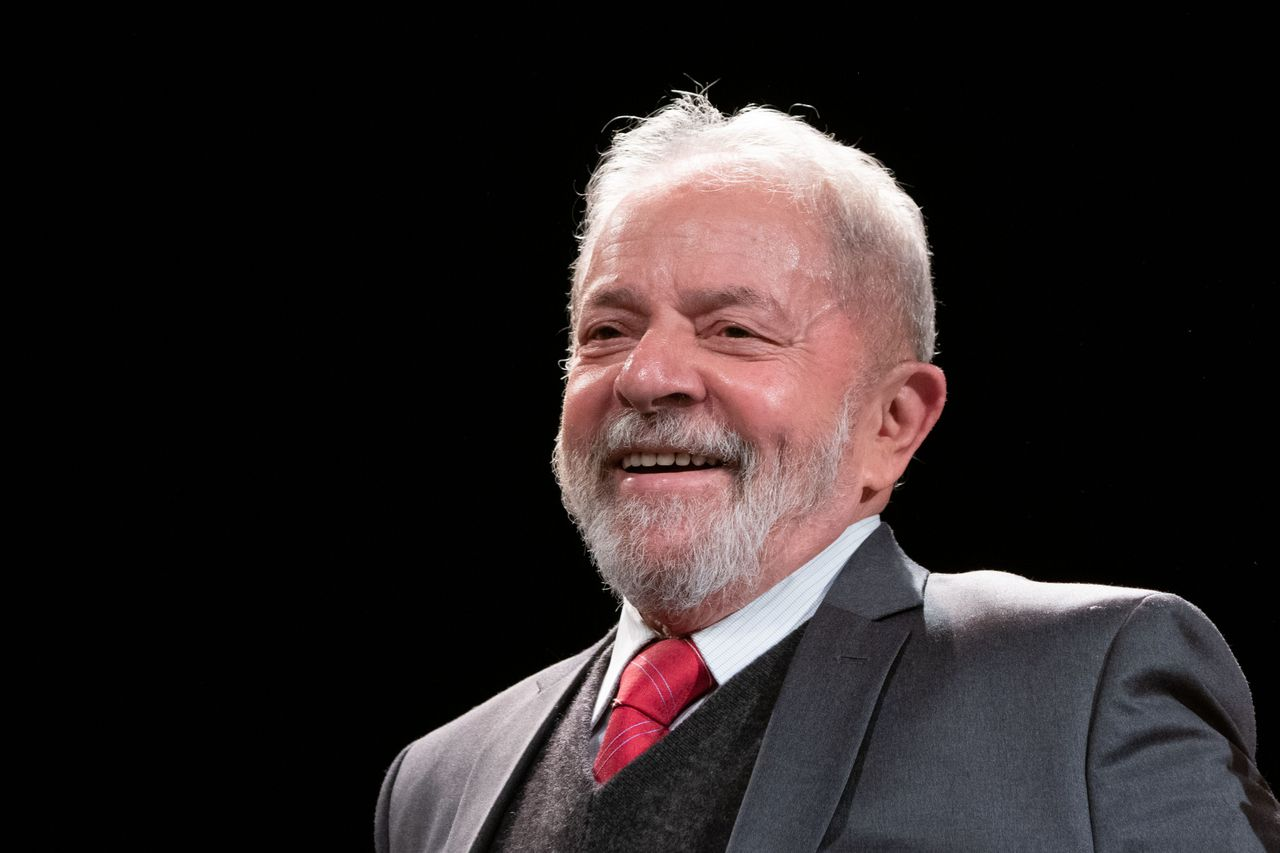
Market Insider – Brazilian President Luiz Inácio Lula da Silva has called on U.S. President Donald Trump to remove a punitive 40% tariff imposed on Brazilian goods, a move that has sharply impacted trade between the two largest economies in the Americas.
The request came during a 30-minute phone call on October 6, where the two leaders also recalled their positive meeting at the United Nations last month. According to the Brazilian presidency, Lula stressed that Brazil is one of only three G20 economies where the United States maintains a trade surplus.
Posting on Truth Social after the call, Trump described the exchange as “very good,” noting that the two discussed “many issues, but mainly focused on the economy and trade between the two countries.”
Trade Strain Over Tariffs
Brazil currently faces total tariffs of around 50% on exports to the U.S., including the additional 40% surcharge announced by Trump on July 9. The surcharge was imposed in protest against the trial of Trump’s political ally, former Brazilian president Jair Bolsonaro.
The tariff affects an estimated 35.9% of Brazilian exports to the U.S., equivalent to roughly 4% of the country’s total foreign trade. Coffee shipments have been particularly hard-hit, with exports to the U.S. plunging 70%. The U.S., which relies on Brazil for over 30% of its coffee supply, has seen prices spike as a result.
Next Steps in Negotiations
Trump said both sides would “continue discussions and meet again soon, in Brazil and the U.S.” He also tasked U.S. Secretary of State Marco Rubio with leading negotiations with Brazil’s Vice President Geraldo Alckmin. Lula, for his part, expressed readiness to travel to Washington for direct talks.
Economic Resilience Amid Pressure
Despite the trade dispute, Brazil’s economy remains resilient. Central Bank Governor Gabriel Galipolo said the country is stable but acknowledged inflation remains above the official 3% target.
Last month, the Central Bank of Brazil left interest rates unchanged at 15%—the highest in nearly two decades—for the second consecutive meeting. The decision follows a tightening cycle that raised rates by 450 basis points in an effort to control inflation.
