
Beijing accelerates its geopolitical rise, exploiting Washington’s retreat and shifting alliances to reshape the world order
MARKET INSIDER – China is moving quickly to expand its global influence as the United States under President Donald Trump recalibrates its foreign policy, scales back international commitments and embraces a more transactional approach to global leadership. Analysts say Beijing has seized the moment — reinforced by its perceived victory in the tariff war and growing technological and economic clout — to reposition itself as a central power filling the void Washington is leaving behind.
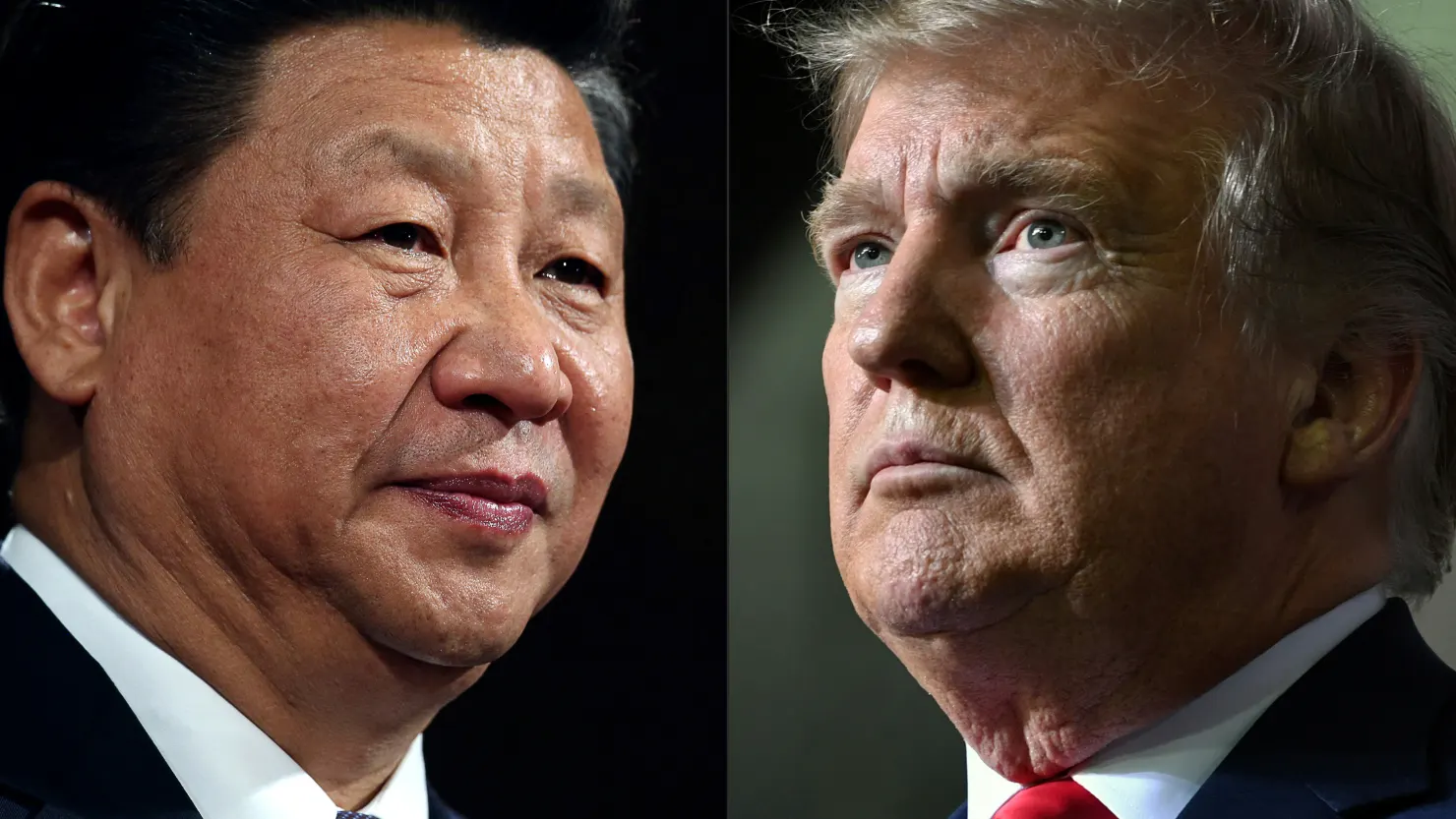
A turning point came in October, when Trump and Xi Jinping agreed to a temporary truce in the long-running U.S.–China trade confrontation. Chinese scholars argue the détente was more than a ceasefire: it was an acknowledgment from Washington that Beijing’s leverage had grown. In their view, the United States has shifted from confrontation to pragmatism, recognizing China’s capacity to respond forcefully to U.S. pressure.
Chinese policymakers were particularly struck by Trump’s unexpected revival of the “G2” concept, a framework that envisions Washington and Beijing jointly shaping global governance — an idea previously rejected under President Barack Obama. For many in Beijing, Trump’s receptiveness to the notion signals a profound U.S. recalibration: a move away from liberal internationalism, reduced global policing, and a narrowing strategic focus toward the Western Hemisphere.
This shift has immediate geopolitical consequences. China now believes the United States is more interested in completing soybean sales and managing domestic priorities than confronting Beijing on long-standing flashpoints like Taiwan. Xi Jinping’s assertive language in a late-November call — declaring Taiwan’s return “an indispensable part of the postwar international order” — drew no public pushback from Trump, emboldening Beijing’s posture.
The change has also intensified China’s reactions to allies who challenge its red lines. When Japanese Prime Minister Sanae Takaichi suggested Tokyo might respond militarily to a Taiwan attack, Beijing launched swift economic and diplomatic retaliation until Japan reaffirmed its adherence to the 1972 Joint Communiqué recognizing Beijing’s sovereignty claims.
At the same time, Trump’s friendlier stance toward Russia and hard-edged trade policies toward U.S. allies have unsettled Europe and parts of Asia — creating fresh opportunities for Beijing. Chinese experts argue that as Washington pressures partners on tariffs and industrial policy, China can strengthen political and commercial ties through its leadership in clean energy, AI, high-speed rail, and other future-defining technologies.
The success of DeepSeek — China’s fast-advancing AI model — despite U.S. chip export restrictions is emblematic of Beijing’s fast-moving innovation sector. So too is China’s visible environmental turnaround: once-choked cities like Beijing have regained blue skies thanks to aggressive electrification policies and stringent emissions controls, a point Chinese observers now cite as proof of national competence in governance and green technology.
Still, not all Chinese scholars see this moment as an uncontested rise. Some warn that the U.S. — even with a narrower global footprint — remains structurally dominant. Trump’s pragmatism, they argue, does not signify American decline so much as strategic repositioning. By concentrating power close to home and easing tensions with Beijing, Washington could remain the world’s most influential actor for decades.
Yet for now, the global landscape is unmistakably shifting. As the U.S. steps back from traditional leadership roles and allies assess a more inward-focused Washington, China is pushing assertively into the open spaces of global diplomacy, technology and economic influence — reshaping the balance of power one opportunity at a time.
