
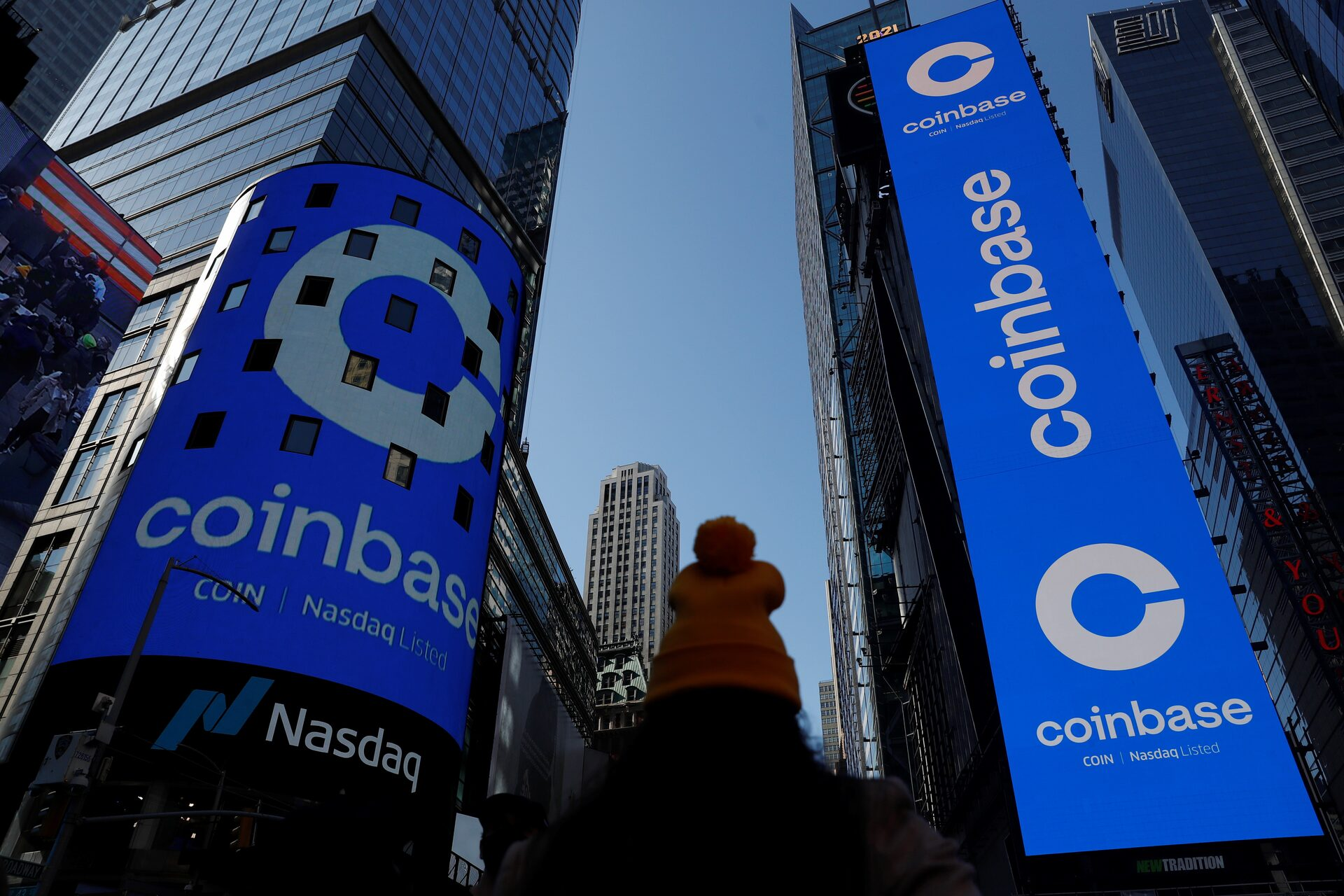
Crypto Regulation Stalls as U.S. Senate Delays Key Bill After Coinbase RevoltIndustry unity cracks as lawmakers pause landmark crypto framework amid banking and Big Tech pressure
MARKET INSIDER – Washington’s long-promised push to bring clarity to cryptocurrency regulation has hit another critical roadblock, underscoring how fragile consensus remains around the future of digital finance in the United States. The U.S. Senate Banking Committee has postponed a planned markup of its sweeping crypto market structure bill—just hours after Coinbase, the country’s largest crypto exchange, publicly withdrew its support.
The delay matters far beyond Capitol Hill. For global investors, exchanges, and fintech builders, it extends years of regulatory ambiguity in the world’s most influential capital market—where enforcement actions, not legislation, have largely defined crypto policy.
The decision was announced late Wednesday by Tim Scott, chair of the U.S. Senate Banking Committee, who said bipartisan negotiations are still ongoing but offered no new timeline. The pause came shortly after Coinbase CEO Brian Armstrong said the exchange could not back the bill “as written,” after reviewing the draft text over 48 hours.
At the heart of the dispute is a high-stakes battle over stablecoins and yield-like rewards. Traditional banks are pushing lawmakers to prevent crypto platforms from offering incentives that resemble interest on deposits, arguing that Congress already drew a firm line in the GENIUS Act. Banking lobbyists warn that allowing exchange-based rewards could undermine deposit protections and blur regulatory boundaries between banks and crypto platforms.
The draft bill attempts to thread that needle. It would bar interest paid simply for holding a stablecoin, while still permitting rewards linked to payments, usage, or loyalty programs—subject to disclosure standards set by the Securities and Exchange Commission and the Commodity Futures Trading Commission. It also seeks to settle one of crypto’s most contentious issues: how tokens are classified, and which regulator ultimately oversees spot crypto markets.
Despite the setback, Scott signaled talks are continuing. He described the bill as the product of months of bipartisan negotiation, with input from innovators, investors, and law enforcement, framing it as essential to consumer protection, national security, and keeping financial innovation anchored in the U.S. Yet the broader legislative calendar is already slipping. John Boozman, chair of the Senate Agriculture Committee, has also pushed his panel’s crypto markup deeper into January, citing unresolved policy details and the need for wider support.
For global markets, the message is increasingly clear: the U.S. is still struggling to reconcile legacy banking rules with crypto’s fast-moving business models. Until lawmakers break the deadlock, the industry remains stuck in regulatory limbo—one that could push capital, talent, and innovation toward jurisdictions willing to move faster. The bigger question now isn’t whether crypto needs rules, but whether Washington can deliver them before the future of finance is built somewhere else.
