
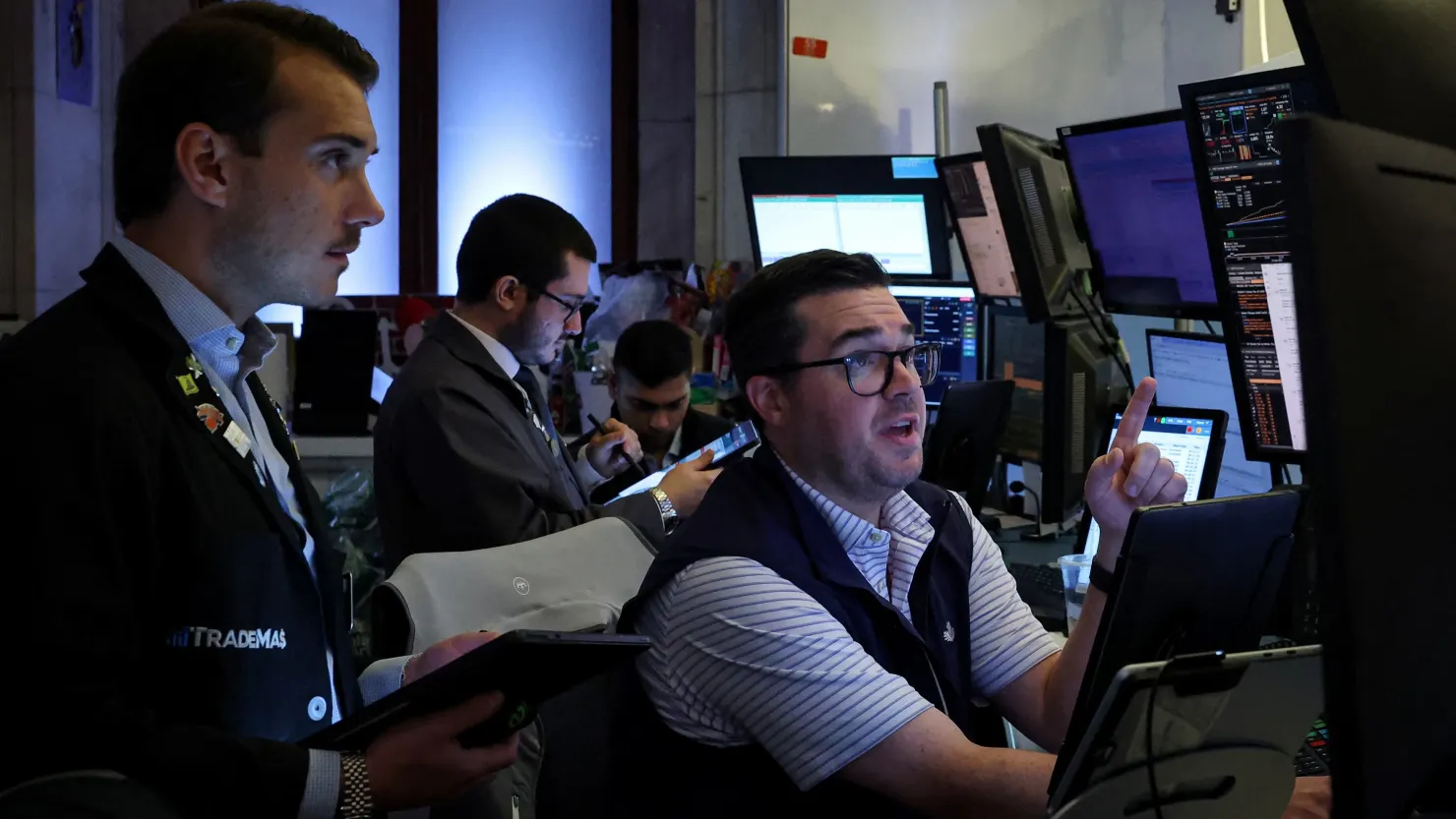
Escalating U.S.-Iran conflict sends crude surging, fuels inflation fears, and threatens Wall Street rebound
MARKET INSIDER – Wall Street’s fragile recovery is under fresh strain as Dow futures plunged nearly 1,000 points Tuesday, with investors bracing for a prolonged U.S.-Iran conflict that could reshape inflation, energy markets, and global risk appetite. After a brief equity rebound just one session earlier, markets are once again pricing in geopolitical escalation—with oil and volatility surging in tandem.
Futures tied to the Dow Jones Industrial Average fell roughly 2%, while S&P 500 futures dropped 2% and Nasdaq 100 futures slid 2.5%, signaling broad-based risk aversion ahead of the U.S. trading session. The selloff followed a drone strike on the U.S. embassy in Riyadh and warnings from President Donald Trump that hostilities could extend beyond four weeks. Over the weekend, joint U.S.-Israeli strikes reportedly killed Iran’s Supreme Leader Ali Khamenei, dramatically escalating tensions.
Energy markets are now at the epicenter of investor concern. Brent crude surged 9%, while West Texas Intermediate jumped more than 8%, as Iran declared the Strait of Hormuz closed and threatened to target vessels attempting passage. The waterway handles roughly one-fifth of global oil shipments, making it the single most critical artery in the global energy system. A sustained disruption would not only lift fuel prices but also reintroduce inflationary pressure at a time when central banks had hoped price stability was returning.
The sharp decline in equity futures contrasts with Monday’s dramatic comeback, when the S&P 500 and Nasdaq Composite erased steep intraday losses to finish slightly higher. That resilience now faces a renewed test. Historically, markets have often stabilized within months of geopolitical flare-ups, but traders are increasingly focused on whether this conflict evolves into a broader economic shock driven by energy supply constraints.
Corporate America adds another layer of uncertainty. Investors are awaiting earnings from cybersecurity firm CrowdStrike and retailer Target, with results from semiconductor heavyweight Broadcom and warehouse giant Costco due later this week. In an environment defined by geopolitical risk, forward guidance on consumer demand, enterprise spending, and supply chains could carry unusual weight.
The key question for global markets is no longer whether tensions will impact sentiment—but whether oil’s surge morphs into a sustained inflation shock that forces central banks to recalibrate. If crude stabilizes below triple digits, equities may find footing quickly. But if the Strait of Hormuz remains effectively shut, the conflict risks becoming not just a geopolitical crisis, but a macroeconomic turning point.
Investors have spent the past year debating soft landings and rate cuts. Now, the trajectory of markets may hinge on missiles, shipping lanes, and whether energy once again becomes the world’s most powerful asset class.
