
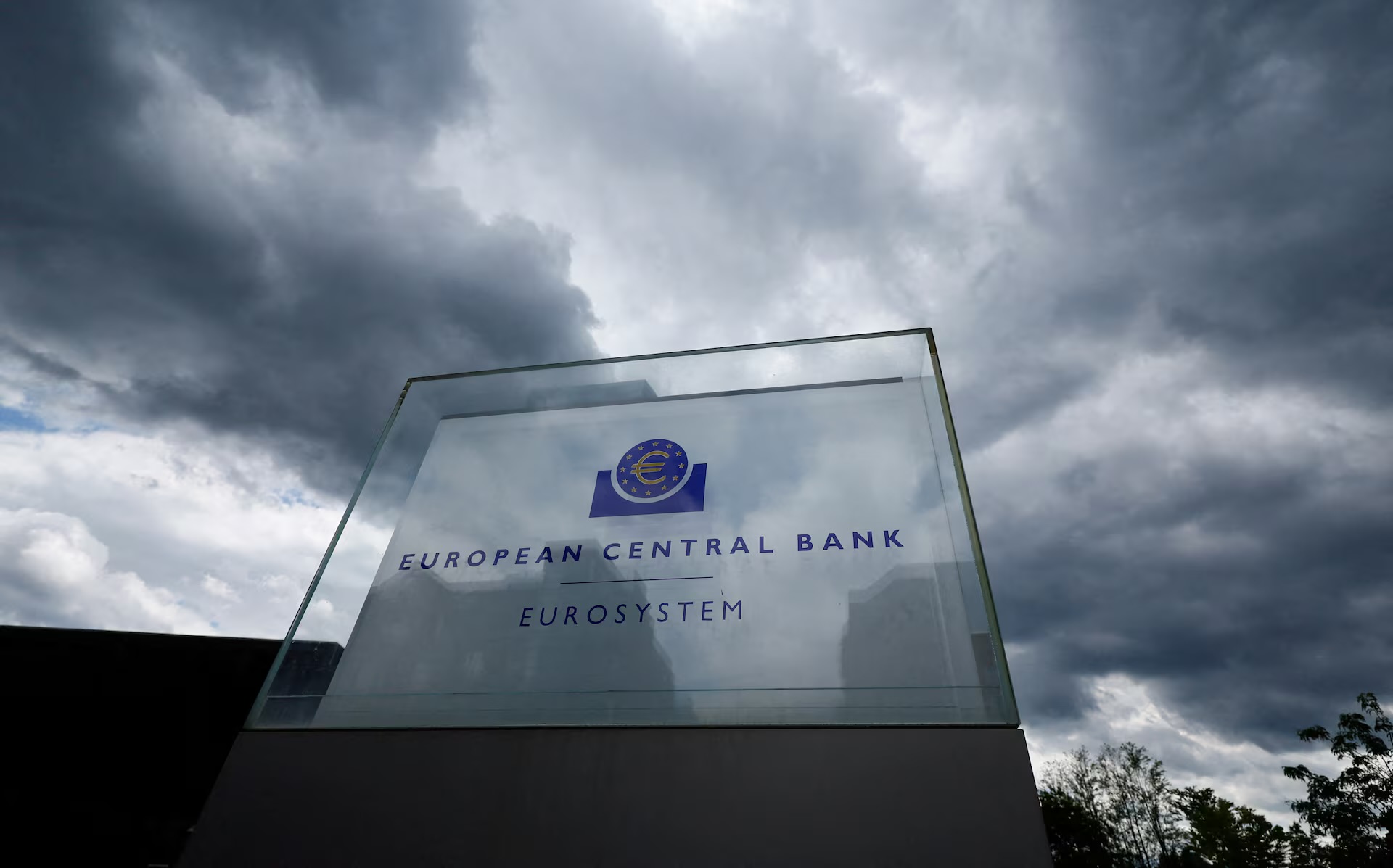
Christine Lagarde walks back optimism; medium-term forecasts revised upward amid energy shock
MARKET INSIDER – The European Central Bank left its key interest rates unchanged Thursday, March 20, 2026, acknowledging that the escalating U.S.-Israel war with Iran has rendered the economic and inflation outlook “significantly more uncertain.” Policymakers highlighted the conflict’s dual impact: immediate upside risks to inflation from surging energy prices and downside risks to growth, prompting traders to sharply increase bets on potential ECB rate hikes later this year as the region grapples with a fresh supply shock.
ECB President Christine Lagarde tempered earlier optimism, shifting from her February assertion that the eurozone was “in a good place” to a more cautious stance. “We are starting from a good base, so I’m not saying we are in a good place,” she told CNBC. “We are both well-positioned and well-equipped to deal with the development of a major shock that is unfolding.” The central bank revised its medium-term inflation projections upward, now expecting headline inflation to average 2.6% in 2026 (up from near 2% previously), 2% in 2027, and 2.1% in 2028—largely attributing the shift to persistently higher energy costs. Eurozone inflation stood at 1.9% in February, still close to the 2% target, but the war’s energy ripple effects have upended pre-conflict expectations for stable or declining rates.
The ECB’s decision aligned with peers across the continent: the Bank of England unanimously held its benchmark at 3.75%, warning of near-term CPI spikes from elevated energy and commodity prices and heightened risks of second-round wage and price pressures. Governor Andrew Bailey’s team flagged a weakening jobs market and limited fiscal room, with markets now pricing in the possibility of up to two rate hikes in 2026—reversing earlier bets on cuts. Sweden’s Riksbank kept its policy rate at 1.75%, stressing vigilance and alternative scenarios that could force a policy pivot depending on the war’s duration. The Swiss National Bank maintained its 0.00% rate while signaling heightened readiness to intervene in foreign-exchange markets to prevent excessive Swiss franc appreciation that could threaten price stability.
Bond markets reacted swiftly: UK 10-year gilt yields rose 14 basis points to around 4.874%, while 2-year gilts climbed 20 basis points to 4.31%. The FTSE 100 extended losses, down 2.5% midday in London, reflecting broader risk aversion as energy-driven inflation threatens to squeeze consumer spending and corporate margins across Europe.
For global investors, Thursday’s synchronized hold decisions underscore a stark reality: Europe’s energy vulnerability has transformed a relatively benign disinflation path into a high-stakes balancing act between fighting imported inflation and supporting faltering growth. If the Iran conflict drags on—prolonging elevated oil and gas prices—the ECB and its counterparts may face painful choices sooner than anticipated, potentially delaying any return to rate normalization. Yet if diplomatic progress or coalition efforts stabilize energy flows, the current uncertainty premium could unwind quickly, offering relief to yields and equities. Until clarity emerges, Europe remains the region most exposed to the war’s economic aftershocks—making every headline from the Gulf a direct input into monetary-policy calculus.
