
Major economies step up as Iran war escalates with strikes on key LNG and oil facilities, pushing Brent to $113
MARKET INSIDER – Leading European nations—Britain, France, Germany, Italy, the Netherlands—joined by Japan on Thursday, March 19, 2026, declared their readiness to contribute to “appropriate efforts” to reopen the Strait of Hormuz and stabilize global energy markets, issuing a joint statement amid the most intense phase yet of the U.S.-Israel war with Iran. The move comes after tit-for-tat strikes hammered critical infrastructure: Israel bombed Iran’s massive South Pars gas field, prompting Iranian missile attacks that caused “extensive damage” to Qatar’s Ras Laffan LNG terminal—responsible for roughly one-fifth of global liquefied natural gas supply—along with hits on UAE gas facilities, Kuwaiti refineries, and Saudi Arabia’s Yanbu port and Aramco-Exxon refinery.
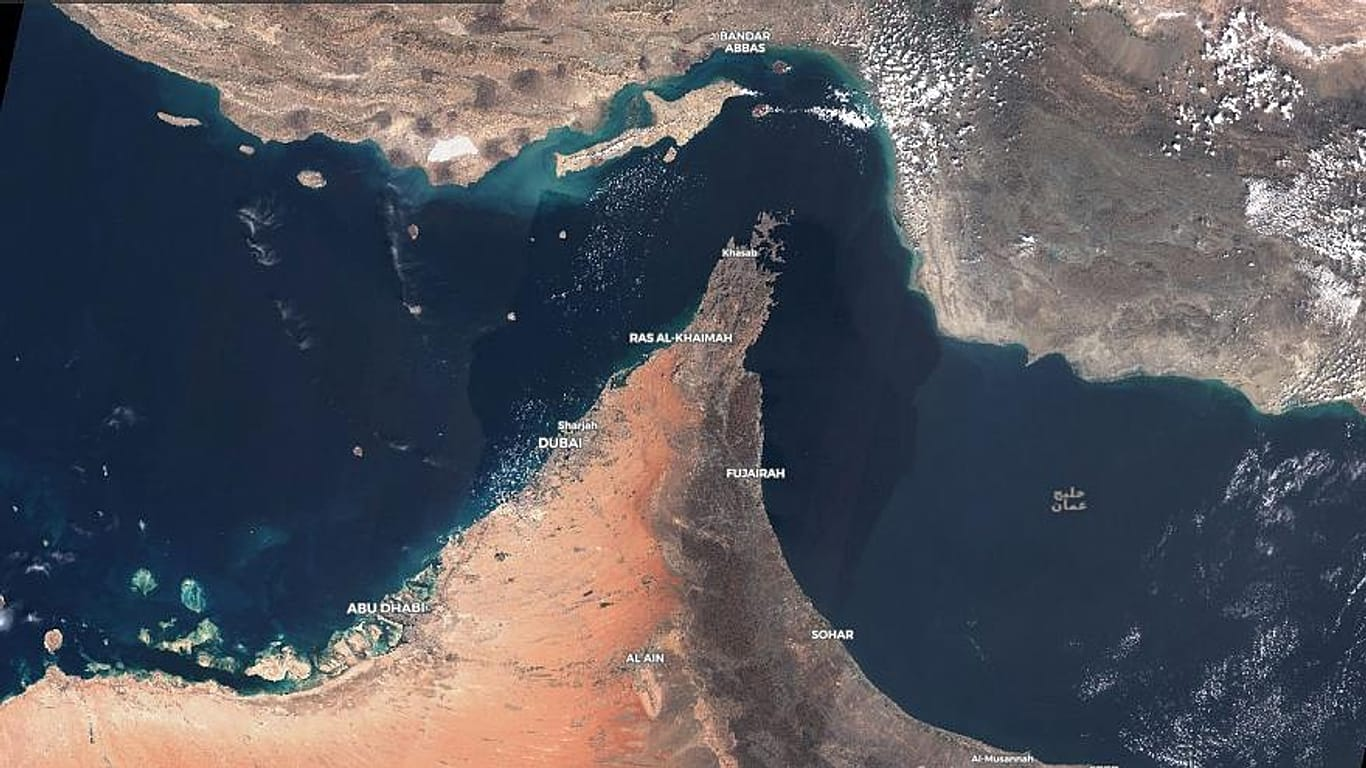
The coordinated statement called for an “immediate comprehensive moratorium on attacks on civilian infrastructure, including oil and gas installations,” while pledging to work with producing nations to boost output and support safe passage through the Strait—the chokepoint for about 20% of world crude and LNG in peacetime. With tanker traffic effectively halted for weeks, Brent crude futures climbed nearly 6% to $113 per barrel (briefly surging 10%), European gas prices leaped 25% in a single day (up over 60% since the war began February 28), and Asian equities fell sharply around 3%. The pan-European Stoxx 600 index dropped 2.5% to multi-month lows, reflecting mounting fears of prolonged energy-driven inflation and supply-chain disruptions rippling from Asia to Europe.
The escalation exposed vulnerabilities in Gulf defenses and highlighted strategic misalignments nearly three weeks into the conflict. U.S. Defense Secretary Pete Hegseth insisted American objectives—to dismantle Iran’s missile capabilities, defense industry, and navy while preventing nuclear acquisition—remain “unchanged, on target and on plan.” President Donald Trump distanced the U.S. from Israel’s South Pars strike, claiming no prior knowledge and warning that further Iranian attacks on Qatar would trigger a massive U.S. response against the entire field. Sources indicated Trump is considering deploying thousands more troops to the region—potentially to escort shipping or even secure key sites like Kharg Island—after allies have so far rebuffed his calls for help reopening the Strait.
Central banks felt the heat: the ECB revised 2026 inflation forecasts upward to 2.6% (from near 2%), citing energy shocks, while the Bank of England held rates at 3.75% and flagged second-round inflation risks. EU leaders convened in Brussels to explore limited options for offsetting soaring costs, with few quick fixes available.
For global markets and energy-dependent economies, this joint European-Japanese commitment marks a pivotal shift: recognition that the war’s economic fallout—now directly targeting LNG giants and Red Sea export routes—demands collective action beyond U.S. leadership. If the coalition materializes with tangible naval or output-boosting measures, it could cap the oil-price spiral and avert deeper stagflation risks. But Iran’s threats of “further attacks… until completely destroyed” and the absence of visible diplomatic breakthroughs keep the premium elevated. The coming days will test whether this rare trans-Atlantic/Asian alignment can restore flows—or if escalating strikes and troop considerations push the conflict—and energy prices—into even more dangerous territory. Investors are watching: coalition momentum could spark relief, but prolonged chaos risks cementing 2026 as the year geopolitics finally overwhelmed post-pandemic recovery.
