
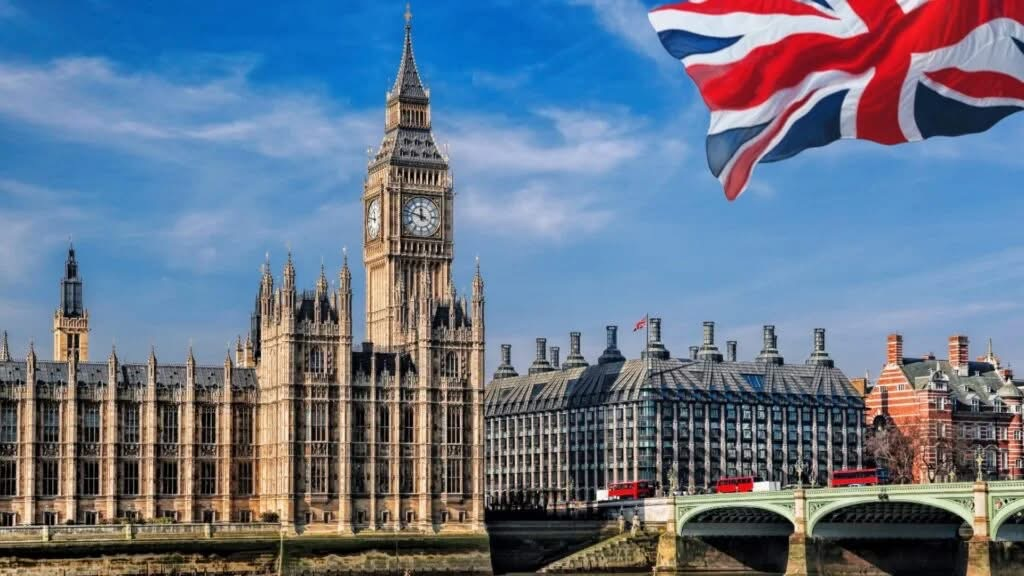
Markets rally as UK GDP beats forecasts and investors bet on easing US–Iran tensions
MARKET INSIDER – European markets are pushing higher on a fragile mix of economic resilience and geopolitical optimism, as stronger-than-expected U.K. growth collides with rising hopes of a de-escalation in the U.S.–Iran conflict. For global investors, the signal is clear: macro data is holding up—but geopolitics still holds the steering wheel.
The pan-European STOXX Europe 600 climbed 0.4% in afternoon trading, tracking gains across Asia and Wall Street, where the S&P 500 and Nasdaq Composite recently hit record highs. The rally reflects a synchronized global bet that a potential thaw between Washington and Tehran could ease energy volatility and stabilize inflation expectations worldwide.
Momentum in Europe was underpinned by a surprise surge in U.K. economic activity. February GDP expanded by 0.5%, sharply beating expectations of 0.1%, offering a short-term boost to sentiment around the British economy. Major indices including the FTSE 100, CAC 40, and DAX each gained around 0.5%, with mining and technology stocks leading the advance.
Yet beneath the surface, risks are building. The same geopolitical tensions lifting markets are also distorting inflation dynamics. Eurozone consumer prices rose 2.6% in March—above initial estimates—highlighting how energy shocks tied to the Iran conflict are feeding through to broader price pressures. This creates a dilemma for central banks already navigating a delicate balance between growth and inflation.
Corporate earnings are beginning to reflect this strain. Shares in EasyJet fell sharply after the airline warned that fuel costs linked to the conflict had added £25 million in expenses, denting bookings and forward outlook. The reaction underscores a growing divergence: while equity indices climb, sectors exposed to oil price volatility remain under pressure.
At the center of market optimism is diplomacy. Donald Trump signaled that the conflict is “very close to over,” while reports suggest a potential extension of a fragile ceasefire between the U.S. and Iran—though no formal agreement has been confirmed. Markets are pricing in progress, even as policymakers remain cautious behind closed doors.
The broader picture is a market increasingly driven by binary geopolitical outcomes. If a deal materializes, energy prices could ease, inflation may soften, and equities could extend their rally. But if talks collapse, the current optimism could unwind just as quickly. For global investors, this is no longer just a regional conflict—it’s a macro catalyst shaping everything from central bank policy to portfolio allocation.
