
Record-low reserves and surging prices test the EU’s energy independence strategy
MARKET INSIDER – Europe’s break from Russian gas is entering its most difficult phase yet. As winter tightens its grip and storage levels fall to a three-year low, the European Union is confronting the real economic cost of its energy “diet” from Moscow—higher prices, tighter supply, and rising exposure to global LNG volatility.
According to data from Gas Infrastructure Europe, EU gas reserves stood at roughly 490 terawatt-hours as of late January—about 43% of capacity and the lowest seasonal level since 2022. Compared to the same period last year, the bloc is short the equivalent of around 130 large LNG cargoes. In key economies, the situation is particularly acute: the Netherlands’ storage levels fell below 28%, while France and Germany also approached seasonal lows.
The supply squeeze comes as Brussels doubles down on its strategic pivot. The EU has adopted new rules mandating a complete halt to Russian energy imports—including natural gas—by the end of 2027. Before the Russia-Ukraine war, Russia accounted for roughly 45% of EU gas imports. Today, flows from Gazprom have dwindled sharply, though some member states continue to import Russian LNG indirectly.
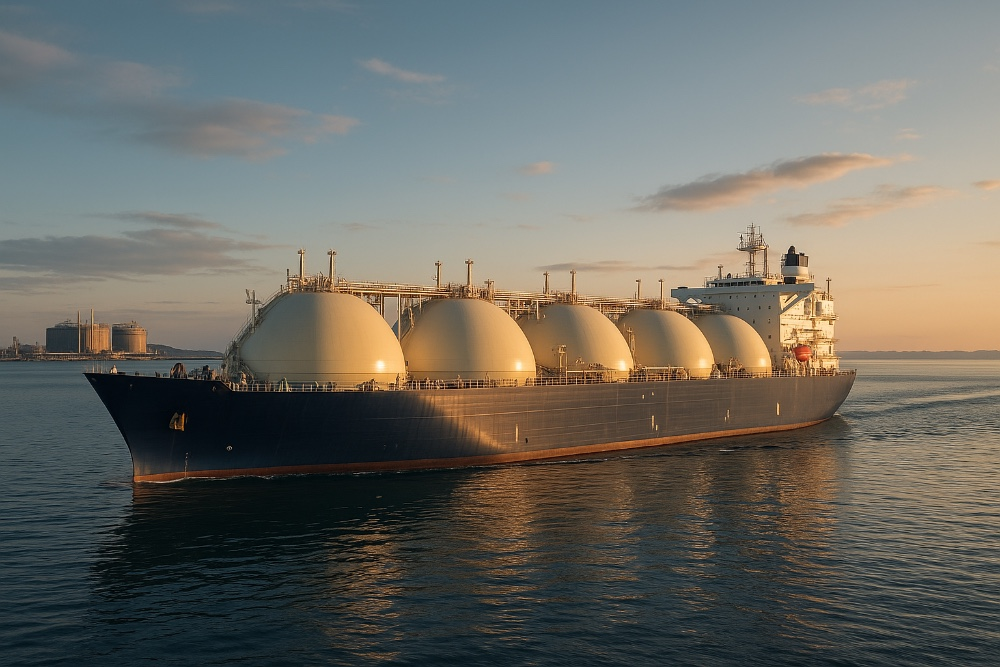
Replacing cheap Russian pipeline gas has proven costly. Europe has leaned heavily on liquefied natural gas from the United States and other suppliers, often at significantly higher prices. That reliance carries new vulnerabilities. Winter storms in the U.S. have disrupted domestic supply chains, sending ripple effects through European markets. The Dutch TTF benchmark—Europe’s key gas price gauge—has posted its sharpest monthly rise in over two years, climbing to a 10-month high.
The result is a delicate balancing act between geopolitical principle and economic resilience. Elevated energy costs threaten industrial competitiveness, especially in manufacturing-heavy economies like Germany. Households, meanwhile, remain exposed to volatile utility bills, even as governments attempt to cushion the impact through subsidies and strategic reserves.
For global energy markets, Europe’s recalibration underscores a structural shift. LNG has become the new backbone of the continent’s supply chain, reshaping trade flows from the U.S. Gulf Coast to Asian buyers. Yet the transition also exposes Europe to price competition from Asia and supply disruptions thousands of miles away.
The broader question is whether Europe can secure long-term stability without sacrificing affordability. Cutting Russian gas may strengthen geopolitical autonomy, but as reserves dwindle and prices surge, the bloc faces a defining test: can energy security be achieved without undermining economic growth? The answer will shape not only Europe’s winter—but the future architecture of global gas markets.
