
The 0.25% reduction offers short-term relief, yet the central bank signals a far more uncertain—and politically fraught—path ahead.
MARKET INSIDER – The U.S. Federal Reserve has delivered its third consecutive 0.25% interest rate cut, lowering the federal funds target range to 3.50%–3.75%. But beneath the headline easing, the Fed issued some of its clearest warning signals yet: policymakers are navigating an economy clouded by incomplete data, rising inflation risks, and mounting political pressure as President Donald Trump pushes for cheaper borrowing ahead of 2026.
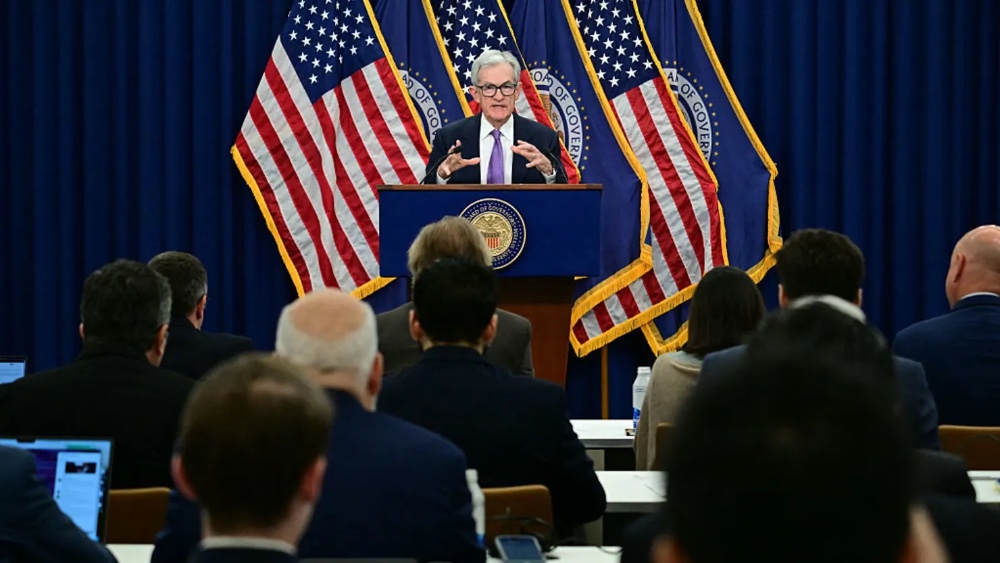
In its post-meeting statement, the Federal Open Market Committee (FOMC) emphasized that future adjustments are far from guaranteed, stressing the need to analyze incoming data, shifting economic conditions, and risk balances before deciding on January’s policy move. Chair Jerome Powell struck a cautious tone, noting that the Fed is now in a “comfortable position” to observe the economy—but made clear no decisions have been made for the next meeting.
The challenge: the Fed’s outlook is unusually blurred. The 43-day government shutdown from October to November means the most recent official labor and inflation figures only extend through September. Policymakers have been forced to rely on private-sector estimates, internal assessments, and anecdotal reports—a highly unconventional basis for steering the world’s largest economy.
Despite cutting rates now, the Fed projects only one rate cut per year for the next two years. Inflation’s renewed acceleration since early 2025 remains a major concern, complicating any attempt to deliver the aggressive easing the White House wants.
A political time bomb is also ticking. Powell’s term ends in May 2026, and Trump has announced plans to nominate a successor early next year. Markets widely expect the president to demand faster rate cuts to stimulate the housing sector and support growth. Yet many economists warn that underlying conditions—buoyed by massive tax breaks and fiscal expansion—point to stronger growth and stickier inflation in 2026, limiting the central bank’s room to ease.
James Engelhof, Chief U.S. Economist at BNP Paribas, said during a briefing on the 2026 outlook:
“The data will not support aggressive easing. If growth and inflation both run near 3%, you’ll only get one cut next year.”
In other words, the next Fed chair could find themselves in the same dilemma as Powell: White House pressure to cut rates, but economic conditions demanding restraint.
The Fed’s latest cut is not a pivot to sustained easing—it’s a cautious adjustment made under extreme uncertainty. With disrupted data, persistent inflation, and political crosswinds, the path ahead is highly fragile. Investors betting on rapid rate cuts in 2026 may be misreading the room: the Fed’s message is clear that economic realities, not political pressure, will ultimately dictate policy, even if that puts the next chair on a collision course with the Oval Office.
