
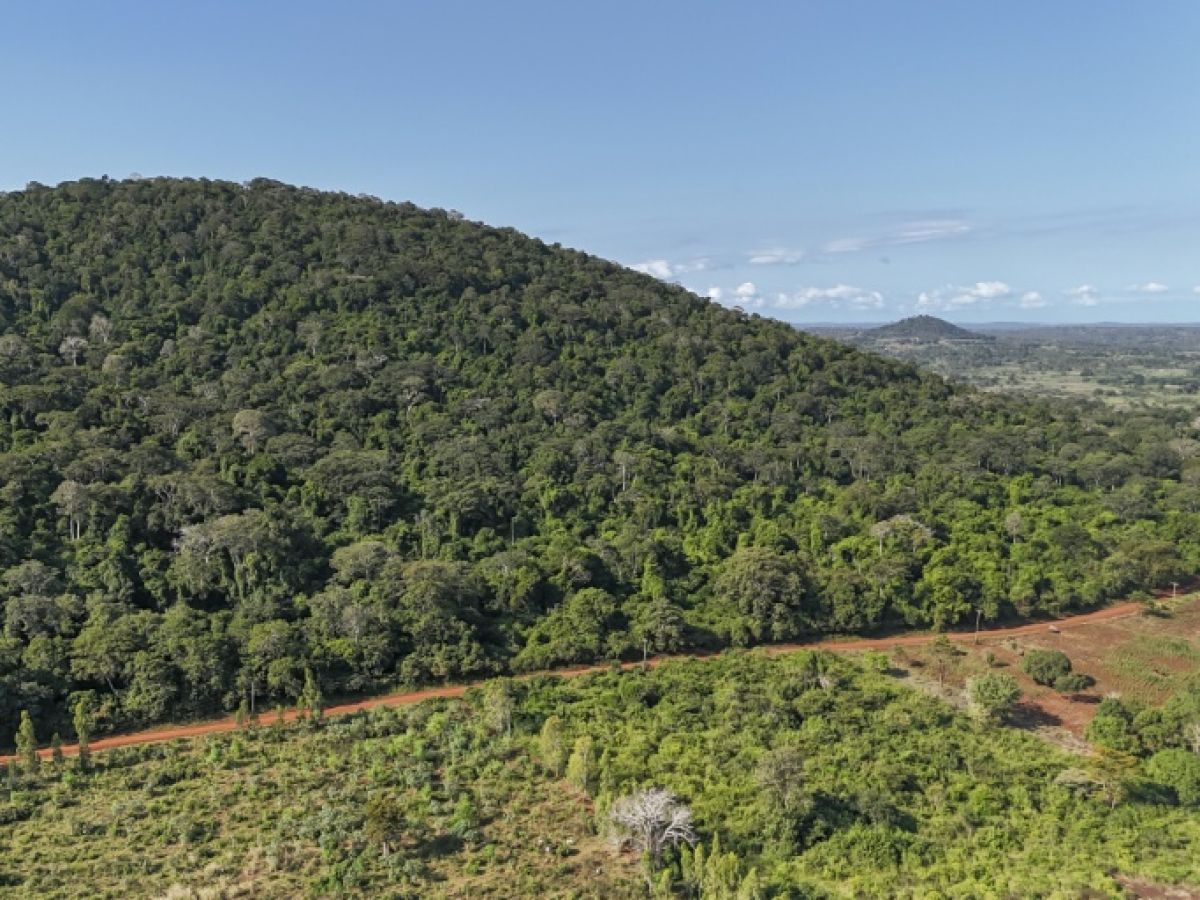
MARKET INSIDER – A complex blend of geopolitical rivalry, resource security, and local trepidation is unfolding on the Kenyan coast as global powers vie for access to a massive rare earth deposit. Beneath the 157-hectare Mrima Hill forestnear the Indian Ocean lies an estimated $62.4 billion hoard of these critical minerals, essential for high-tech industries and the burgeoning green energy sector. This discovery has placed a small, impoverished coastal area at the heart of the strategic resource competition between the United States and China.
The Strategic Value of Critical Minerals
The global pursuit of securing strategic minerals has intensified, with the US government under President Donald Trump making it a cornerstone of its diplomatic engagement in Africa, exemplified by a recent peace deal with the resource-rich Democratic Republic of Congo. Now, Mrima Hill appears to be the next focal point. An assessment by Cortec Mining Kenya, a subsidiary of the UK-Canadian Pacific Wildcat Resources, estimated the deposit’s staggering value in 2013, highlighting the significant presence of niobium, a key element used to strengthen steel.
This immense value has drawn immediate international attention. US officials, including then-Acting Ambassador to Kenya Marc Dillard, have visited the area. Simultaneously, Chinese nationals and other foreign entities have attempted to gain access to the restricted forest, according to a local ranger, Juma Koja. Furthermore, an Australian mining consortium, comprising RareX and Iluka Resources, announced plans this year to develop the deposit, triggering a local land speculation rush.
Governance, Corruption, and Local Conflict
The intense interest has exacerbated existing tensions within the local Digo community, who fear displacement or exclusion from any future resource revenue. For generations, the dense forest has housed sacred shrines and provided livelihoods through farming. While over half of the local population lives in poverty, the community remains wary of external developers, citing previous negative experiences with what they term “non-transparent” investors.
Kenya’s regulatory environment has been a significant hurdle. In 2013, the government revoked Cortec Mining Kenya’s license, citing environmental and licensing breaches—a decision the company contested in court, alleging the withdrawal followed their refusal to pay a bribe to the then-Mining Minister, Najib Balala, an allegation he denied. Subsequent legal challenges by Cortec were unsuccessful. In 2019, Kenya imposed a moratorium on new mining licenses due to pervasive concerns over corruption and environmental damage.
Kenya’s Path to Mining Reform
Despite these challenges, Kenya now views its mineral wealth as a critical national opportunity, particularly as China, the current dominant supplier, tightens its grip on rare earth exports. The Kenyan Mining Ministry has since announced a plan for “robust reforms” this year, including tax incentives and transparent licensing processes. The ambitious goal is to increase the mining sector’s contribution to the national GDP from the current 0.8% to 10% by 2030.
However, the path remains arduous. Daniel Weru Ichang’i, a retired economic geology professor at the University of Nairobi, cautions that while the West-China competition is driving up mineral prices, Kenya must prioritize legal compliance and national benefit over individual gain. He warns that entrenched corruption makes an already high-risk sector less appealing to international investment, stating, “Many people have the illusion that mining is an easy way to get rich… We need to wake up.”
The Human Cost and Opportunity
For the local residents of Mrima Hill, the priority is their survival. Community members, like Mrima Hill Community Forest Association Vice-Chairman Mohammed Riko, express profound concern about the potential loss of their lifelong home, sacred sites, medicinal plants, and the forest itself. Ranger Koja laments the loss of rare endemic species, such as giant orchids, which he says is already occurring even before any mining has begun. “I’m crying inside,” he shared, “We are slowly losing Mrima’s rare species.”
Conversely, the prospect of substantial wealth offers a beacon of hope for others. Domitilla Mueni, the association’s treasurer, is actively developing her land, planting and farming to increase its value in anticipation of the mining companies’ arrival. She encapsulates the dichotomy of the local situation, asking, “Why should we die in poverty when we have a treasure under our feet?”
The saga at Mrima Hill serves as a potent case study in the global mineral supply chain crisis, where geopolitical strategies intersect directly with the urgent needs and deep-seated fears of local communities, all under the shadow of persistent governance risks.
