
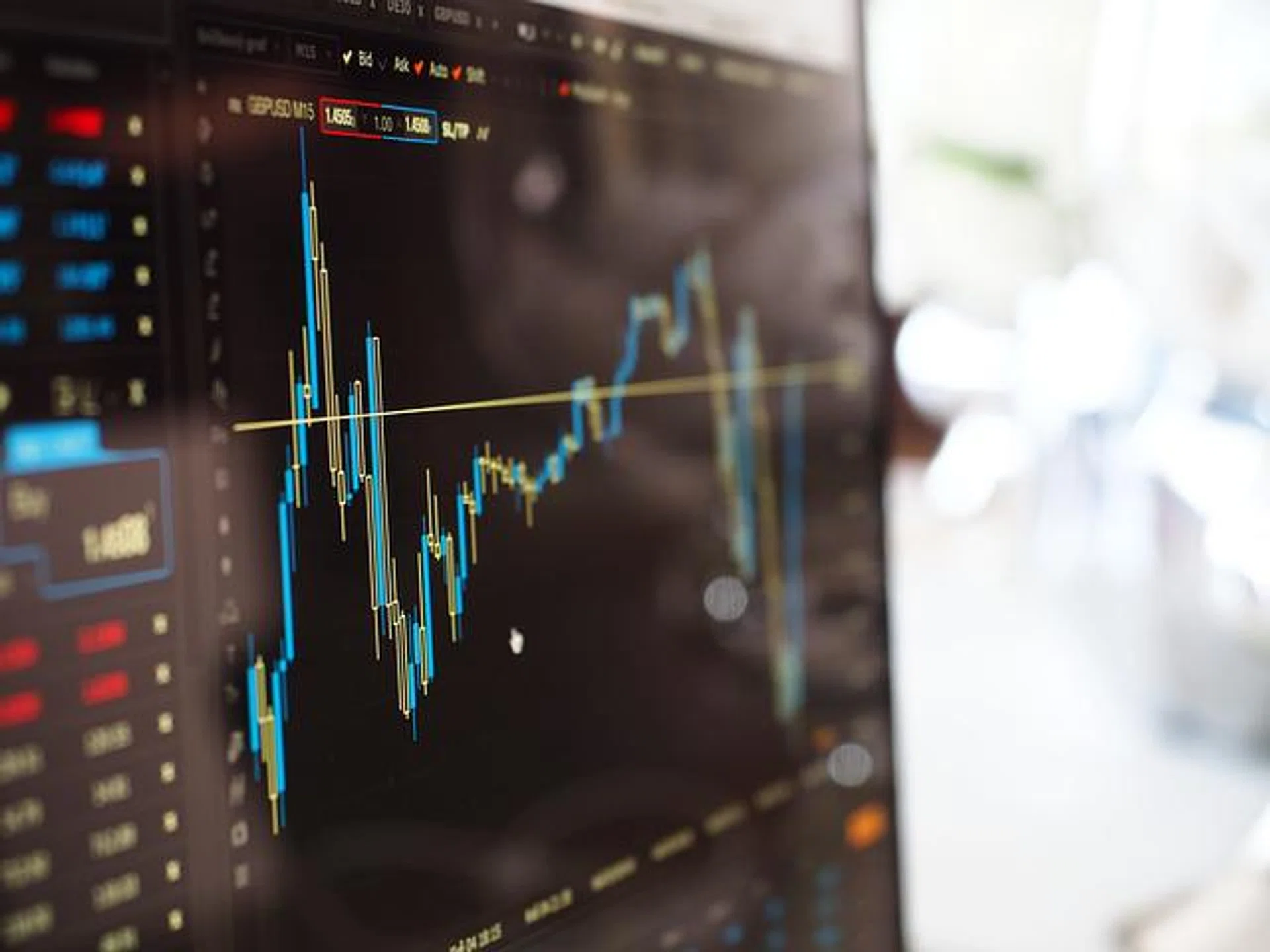
SINGAPORE, Oct 23 (Market Insider) – Asian equities retreated for a second consecutive session on Thursday, as investors navigated a minefield of lackluster US tech earnings, brewing US-China trade tensions, and new sanctions on Russia that sent oil prices soaring.
The risk-off sentiment that deepened a selloff on Wall Street overnight rippled across Asian bourses. MSCI’s broadest index of Asia-Pacific shares outside Japan fell 0.4%, while Japan’s Nikkei 225 sank 1.5%.
Geopolitical Nerves Rattle Markets
Two major geopolitical developments weighed heavily on investor confidence:
US-China Trade Curbs: Chinese stocks (.CSI300) dropped as much as 1.1% following reports that the White House is mulling new export controls on software-powered exports to China. The move is seen as retaliation for Beijing’s recent restrictions on rare earth exports.
Russia Sanctions: The U.S. imposed fresh Ukraine-related sanctions on major Russian energy companies Rosneft and Lukoil. This move, which coincided with the EU approving its own 19th sanctions package, revived concerns about energy security and geopolitical instability.
“With no fresh macro data to anchor sentiment, investors are leaning defensive,” said Charu Chanana, chief investment strategist at Saxo Bank in Singapore. “The chatter around U.S. software export curbs to China has hit tech sentiment right where it hurts, and renewed sanctions on Russia are a reminder that geopolitical risks aren’t going away either.”
South Korean stocks (.KS11) also fell 0.7%, dragged down by tech hardware manufacturers. The broad market caution came as the Bank of Korea held interest rates steady, a move widely expected by economists.
US Tech Earnings Disappoint
The negative tone was set by Wall Street, where underwhelming results from tech megacaps soured sentiment.
Netflix (NFLX.O): Shares plummeted over 10% after the streaming giant’s forward-looking outlook underwhelmed investors.
Tesla (TSLA.O): The stock fell 3.8% in after-hours trading. Despite beating revenue estimates, the EV maker’s profit failed to meet analyst expectations.
Apple (AAPL.O): Shares slid 1.6% after the company was targeted by a new EU antitrust complaint from two civil rights groups over its App Store terms.
Despite the high-profile misses, the broader earnings season has seen most companies beat analyst estimates. S&P 500 e-mini futures showed a slight rebound, edging up 0.1% after two days of declines.
Oil Prices Surge, Pressuring Asian Economies
The energy market reacted sharply to the new sanctions on Russia. Brent crude surged 2.9% to trade at $64.41 per barrel.
This spike poses a significant headwind for the region. “When it comes to the sanctions, it’s a negative for the region,” said Kyle Rodda, senior market analyst at Capital.com. “Most Asian economies are net energy importers and this just inhibits growth and is a marginal driver of inflation.”
The sanctions are already rerouting trade flows. Sources indicated that Reliance Industries, India’s largest buyer of Russian oil, plans to sharply cut its imports, with other Indian refiners expected to follow suit.
Supporting the price surge, data from the Energy Information Administration (EIA) on Wednesday showed that U.S. crude oil, gasoline, and distillate inventories all fell last week amid strengthening demand and refining activity.
Rates, Bonds, and Currencies
In fixed income, U.S. Treasury bonds fluctuated, with the 10-year note yield last at 3.9549%, up slightly from its previous close.
Investors remain convinced that policy easing from the Federal Reserve is imminent. According to the CME Group’s FedWatch tool, markets are pricing in a 96.7% probability of a 25-basis point interest rate cut at the Fed’s October 29 meeting.
Amid the uncertainty, the U.S. dollar firmed. The U.S. dollar index, measuring the greenback against six major peers, was last up 0.1% at 99.062.
In commodities, gold prices edged lower as investors took profits ahead of key U.S. inflation data. Spot gold was last down 0.2% at $4,086.73 per ounce
