
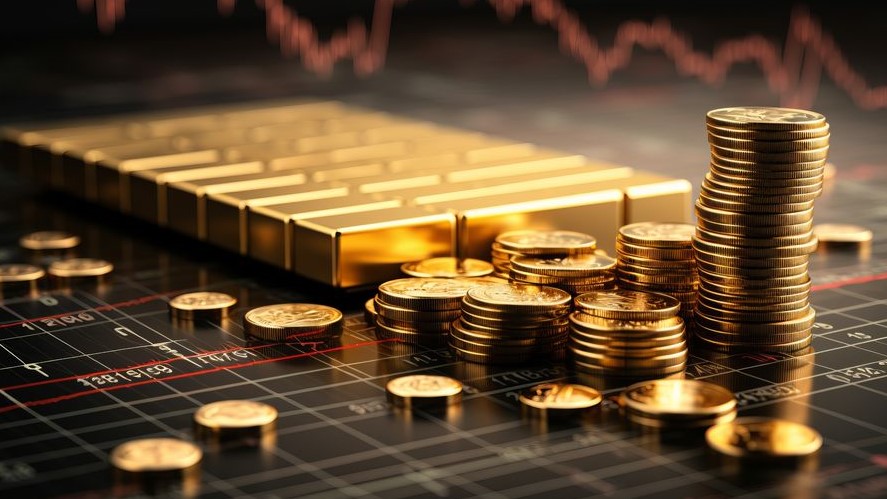
Precious metals soar as geopolitics, tariffs, and rate fears drive a global flight to safety
MARKET INSIDER – Gold and silver are surging to historic highs, sending a clear signal that global investors are bracing for prolonged instability. As former U.S. President Donald Trump escalates geopolitical rhetoric — including renewed pressure on Europe tied to an audacious push for Greenland — capital is flowing rapidly into safe-haven assets, sidelining equities and riskier bets.
U.S. gold futures have climbed to nearly $4,700 an ounce, while silver has vaulted past $93, marking fresh records just days after breaking previous highs. The rally underscores a broader reassessment of geopolitical risk, monetary policy credibility, and the durability of the post-pandemic global order.
The immediate catalyst has been Trump’s announcement of new tariffs on goods from eight European countries, framed around demands for the “complete and total purchase of Greenland.” Markets have reacted swiftly, with European equities sliding and investors rotating defensively. Automakers and luxury stocks were hit particularly hard, dragging down the Stoxx Europe 600 Automobiles & Parts Index and the luxury sector, as fears of retaliatory trade measures mounted across the continent.
Yet the metals rally is not purely headline-driven. According to Ninety One, gold’s strength rests on durable fundamentals: falling real interest rates, persistent central bank reserve diversification, and widening margins for producers. At current prices, gold mining margins are projected to be four to five times higher than in 2024, reinforcing the asset’s appeal not just as a hedge, but as a structurally supported investment theme.
Silver has followed gold’s trajectory with even greater volatility, benefiting from both safe-haven demand and its dual role in industrial applications. Unlike past spikes, analysts suggest silver now looks “comfortable” at elevated levels, reflecting sustained investor conviction rather than speculative froth.
Beyond trade tensions, markets are contending with a combustible mix of unresolved conflicts in Ukraine and Gaza, renewed Middle East risk following U.S.-Iran tensions, and growing unease over political pressure on the Federal Reserve. Reports of a Justice Department investigation involving Fed Chair Jerome Powell have further unsettled investors already wary of policy credibility and institutional independence.
While precious metals steal the spotlight, other commodities are rising for different reasons. Copper prices have edged higher on long-term demand from energy transition projects and data center infrastructure, highlighting a bifurcated commodities market split between geopolitical страх hedging and structural growth megatrends.
The deeper message is hard to ignore: this is not a short-term panic trade. Gold and silver are pricing in a world where geopolitical shocks, trade fragmentation, and contested monetary authority are no longer tail risks, but baseline assumptions. For investors, the real debate is no longer whether safe havens are necessary — but whether portfolios without them are structurally unprepared for the decade ahead.
