
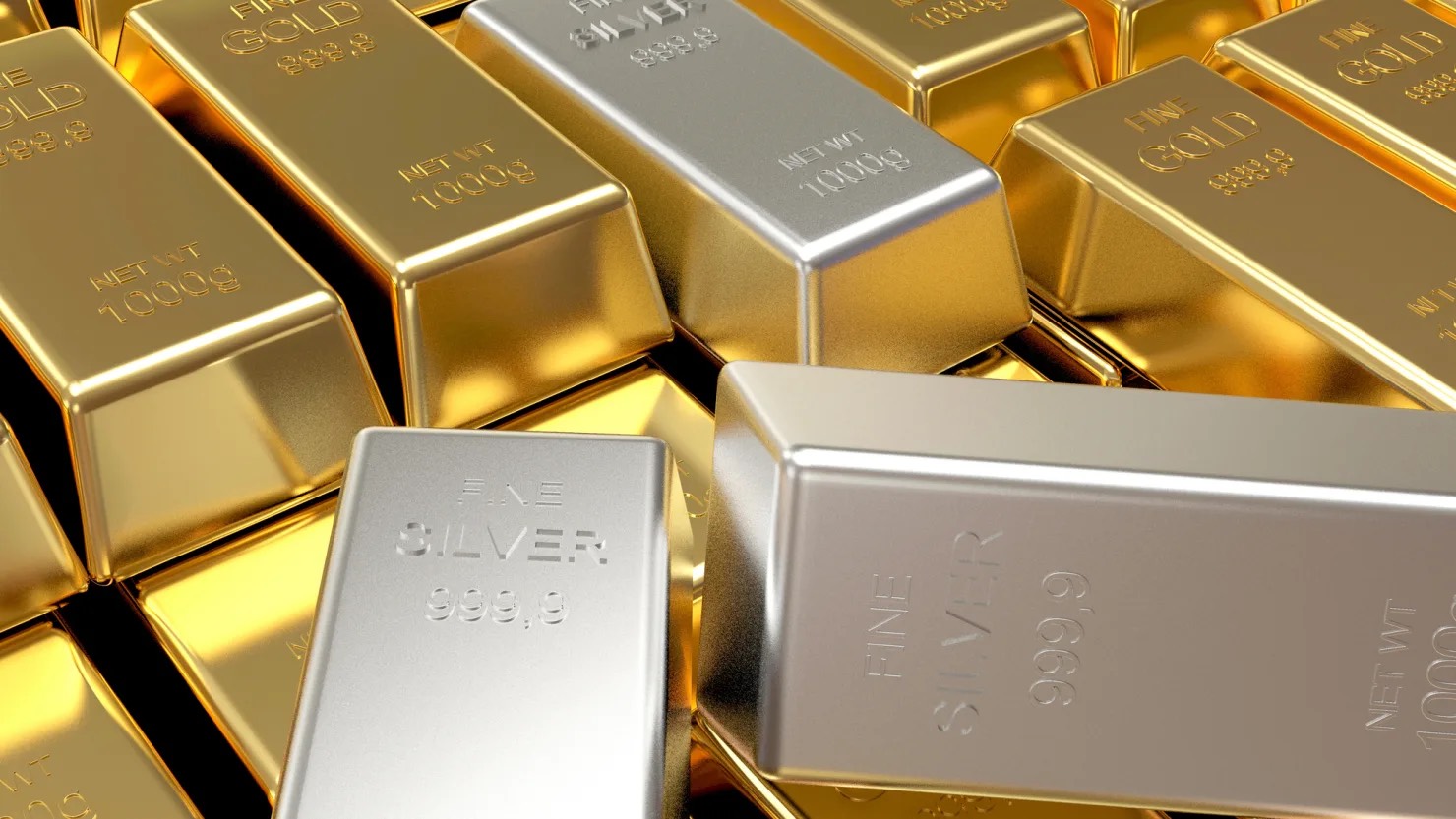
Markets unwind record metal bets as Kevin Warsh signals Fed independence and a firmer dollar
MARKET INSIDER – Gold and silver suffered their sharpest sell-off in years after U.S. President Donald Trump nominated Kevin Warsh to succeed Jerome Powell as chair of the Federal Reserve, easing investor fears over political interference at the world’s most influential central bank. The reaction was swift and brutal: assets that had thrived on dollar weakness and monetary uncertainty were suddenly repriced.
Silver plunged as much as 16% in early trading before stabilizing, while gold fell up to 7%, snapping a rally that had turned both metals into standout performers of the past year. Futures markets echoed the move, with heavy losses across gold, silver, platinum, and palladium. For global investors, the message was clear: confidence in Fed independence remains one of the most powerful drivers of cross-asset flows.
Warsh’s nomination matters far beyond Washington. Markets quickly interpreted the choice as hawkish—or at least orthodox—signaling resistance to aggressive monetary debasement. Analysts at Evercore ISI described the market as “trading Warsh hawkish,” arguing that his appointment could stabilize the U.S. dollar and challenge the narratives that had propelled gold and silver higher. A firmer dollar, in turn, undermines the case for precious metals as a hedge against currency erosion.
The timing amplified the impact. Gold and silver had already logged extraordinary gains—up roughly 65% and 150% in 2025, with further advances into 2026—fueled by geopolitical shocks, central bank buying, and speculation that Trump might favor a more dovish Fed leadership. As that scenario faded, so did the crowded trades built on it. Mining stocks and silver-linked ETFs across Europe and the U.S. slid sharply, exposing how concentrated positioning had become.
Fund managers warned this was less about fundamentals collapsing than about capital unwinding. The comparison to last year’s AI-driven equity surge is telling: when too much money chases a single narrative, even strong assets can fall fast once sentiment shifts. Longer term, demand for gold as a reserve diversifier remains intact, particularly among emerging markets wary of U.S. trade and foreign policy volatility. But the path will likely be rougher—and more sensitive to Fed credibility—than the near-vertical climb investors had grown used to.
The bigger takeaway for global markets is uncomfortable but vital: in a world of geopolitical noise and politicized economics, confidence in institutional independence still trumps fear. When that confidence returns, even the most fashionable safe havens can lose their shine—fast.
