
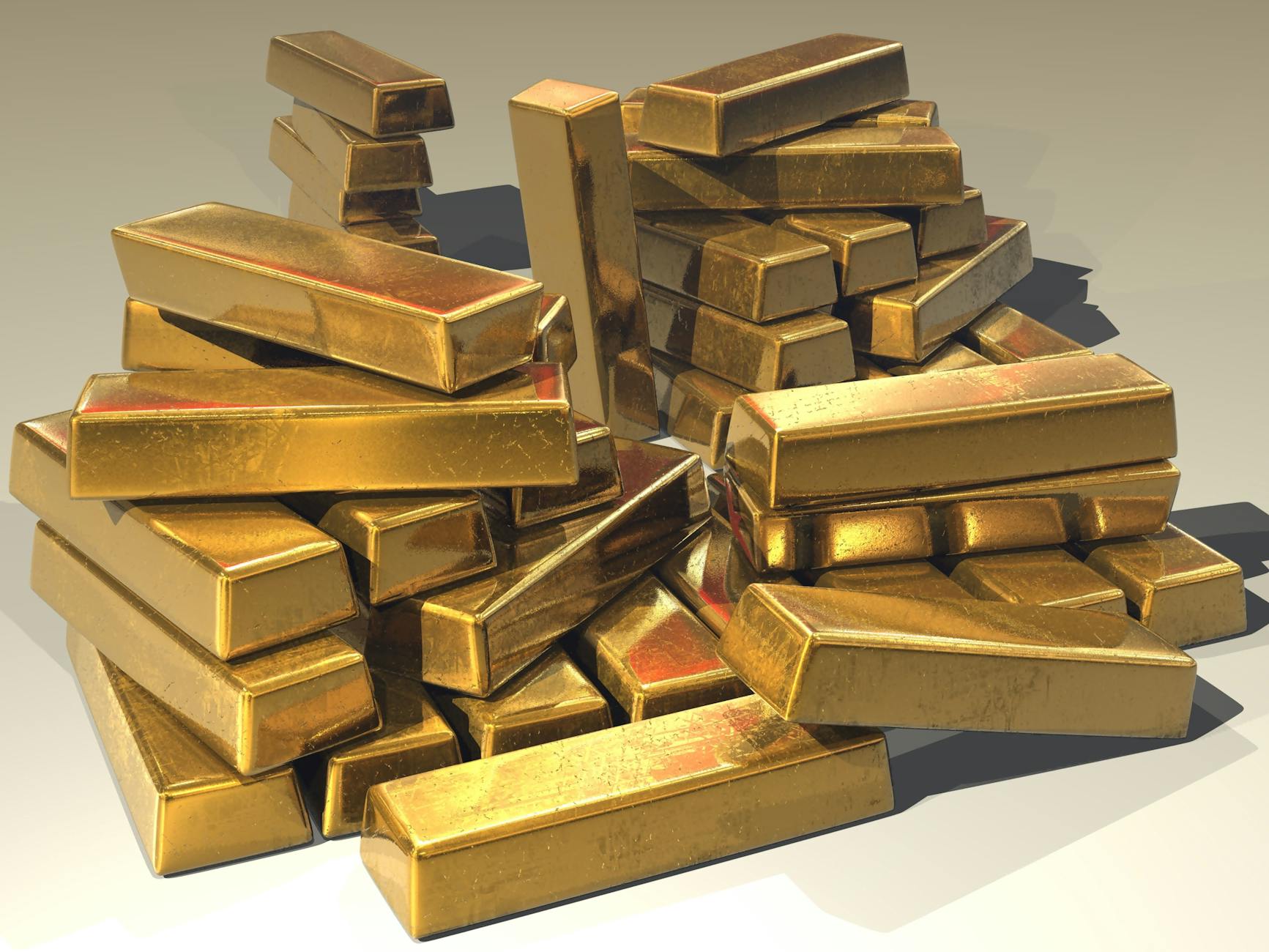
After plummeting on a surprisingly hawkish stance from the U.S. Federal Reserve, gold prices reversed course, surging $31 an ounce as traders rushed back into the perceived safe haven.
LONDON (Market Insider) – The global gold market experienced a volatile 24 hours this week, first dropping dramatically and then staging a powerful comeback, illustrating the metal’s dual role as both an inflation hedge and a dollar-sensitive asset.
Spot gold prices, which had fallen $22 to $3,929 an ounce at the close of October 29th, surged by $31 in early trading on October 30th, reaching $3,960.
This immediate reversal suggests a strong “buy the dip” mentality from institutional investors, who view the price correction as a temporary blip in gold’s long-term bullish trajectory.
The Fed vs. Gold: A Tug-of-War
The initial sell-off was triggered by comments from U.S. Federal Reserve Chair Jerome Powell, who cast doubt on the certainty of a December rate cut, despite the Fed delivering a widely expected 25 basis-point reduction to bring the benchmark rate to 3.75%−4.0%.
“There was clearly a distinct difference of views on the direction of December at this meeting. Further rate cuts late this year are not a certainty,” Powell said.
This cautious stance was interpreted as “hawkish” by markets, causing the U.S. Dollar Index to strengthen.
“Powell has lowered expectations for a December cut, which strengthened the dollar and immediately put pressure on gold,” explained Peter Grant, strategist at Zaner Metals. Since gold is priced in U.S. dollars, a stronger dollar makes the metal more expensive for international buyers, generally leading to a price drop. The quick reversal shows that gold buyers were quick to capitalize on the temporary discount.
The Global Context: Trade and Geopolitics
Gold’s recent volatility comes amid a highly anticipated shift in global risk appetite. The metal has seen a massive 51% surge year-to-date, fueled primarily by two factors: high trade tensions and expectations of U.S. interest rate cuts.
The precious metal hit a record high of $4,381 an ounce on October 20th. However, this week’s price dip of over 3% was also partially attributed to a potential cooling of the U.S.-China trade war.
Analysts at ANZ Research caution that the gold rally could be restrained if the meeting between U.S. President Donald Trump and Chinese President Xi Jinping results in a deal to reduce tariffs on Chinese goods. Such an agreement would significantly reduce geopolitical uncertainty, diminishing gold’s appeal as a safe haven asset.
Investors will also be closely monitoring the World Gold Council’s quarterly report set for release today, which is expected to provide key insights into purchasing trends by global investors and central banks, offering a clearer picture of underlying demand.
