
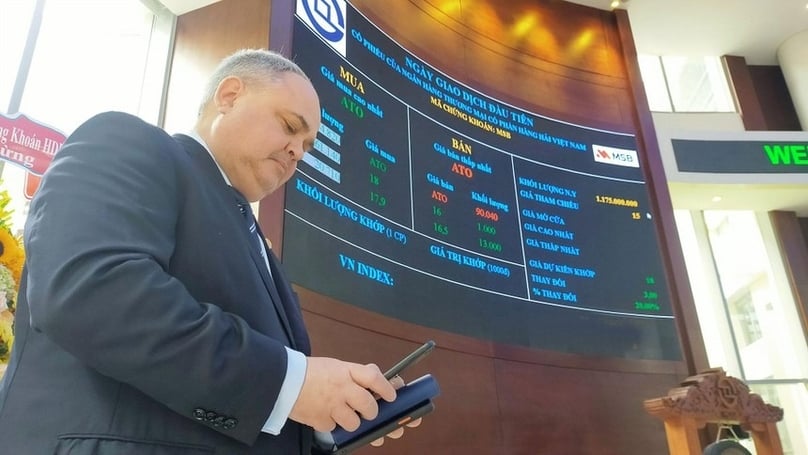
Market Insider – Vietnam has taken a decisive step toward becoming a more attractive destination for global capital. Recent regulatory updates have streamlined procedures for foreign investors entering the local financial market, marking a new era of openness and integration. For international funds, institutions, and individual investors, this is a timely opportunity to explore one of Asia’s most dynamic equity markets.
A Favorable Regulatory Shift
The government recently introduced legal reforms that simplify account opening, improve transparency, and ease compliance requirements for foreign investment. Notably, Circular 68/2024 eliminated the need for pre-funding when placing stock orders, aligning Vietnam with international standards and removing a long-standing barrier to participation.
Foreign investors can now:
- Open securities accounts quickly through licensed local brokerages.
- Trade directly on the Ho Chi Minh Stock Exchange (HOSE) and Hanoi Stock Exchange (HNX).
- Access derivatives and bond markets under clearer regulatory frameworks.
- Participate in IPOs and private placements with fewer procedural hurdles.
Why Vietnam?
Vietnam’s stock market capitalization has surpassed $300 billion, supported by a young and growing consumer base, robust GDP growth averaging 6–7% annually, and increasing integration with global supply chains.
Key advantages include:
- Strong economic fundamentals: Vietnam is a top destination for manufacturing and FDI, benefiting from supply chain diversification out of China.
- Upgrading to Emerging Market status: Vietnam is on track for reclassification by FTSE Russell and MSCI, potentially unlocking billions in passive inflows.
- High dividend yields: Many blue-chip companies pay annual dividends ranging from 4–7%, above regional averages.
- Diverse sectors: Investors can access high-growth industries such as banking, technology, renewable energy, logistics, and real estate.
How to Get Started
- Choose a Local Broker
Leading firms such as SSI Securities, VietCap Securities (VCI), or VNDirect provide full English-language services for foreign clients, from account setup to research reports. - Set Up Custody & Trading Accounts
With recent reforms, the process is streamlined. Most investors can open accounts within weeks by submitting standard KYC documents. - Understand Foreign Ownership Limits (FOL)
Certain strategic sectors still cap foreign holdings, but Vietnam is gradually relaxing restrictions. Investors can also use Non-Voting Depository Receipts (NVDRs) and ETFs as alternatives. - Diversify Across Asset Classes
In addition to equities, foreign investors can explore government bonds, corporate bonds, and derivatives, benefiting from Vietnam’s deepening capital markets. - Engage with Local Research & Advisory
Partnering with local advisory firms ensures better insights into corporate governance, regulatory updates, and emerging opportunities.
A Market with Untapped Potential
The Vietnamese government has set a clear goal: build international financial centers in Ho Chi Minh City and Da Nang, positioning the country as a regional hub for capital flows. By reducing barriers and enhancing transparency, Vietnam signals its readiness to welcome more global investors.
For foreign investors seeking exposure to Asia’s next growth story, Vietnam stands out as a market combining strong fundamentals, policy support, and long-term upside.
Vietnam’s financial market is opening wider than ever. The time is now for global investors to consider Vietnam not just as a frontier play, but as an emerging hub for sustainable growth and capital appreciation.
