
MARKET INSIDER – Iran said it is maintaining open lines of communication with the United States as President Donald Trump considers possible responses to a violent crackdown on nationwide protests that represent one of the most serious challenges to Iran’s clerical leadership since the 1979 Islamic Revolution.
Iranian Foreign Ministry spokesperson Esmaeil Baghaei confirmed that communication remains active between Foreign Minister Abbas Araqchi and U.S. Special Envoy Steve Witkoff, with messages exchanged when necessary. Traditional backchannels via Switzerland also remain in use.
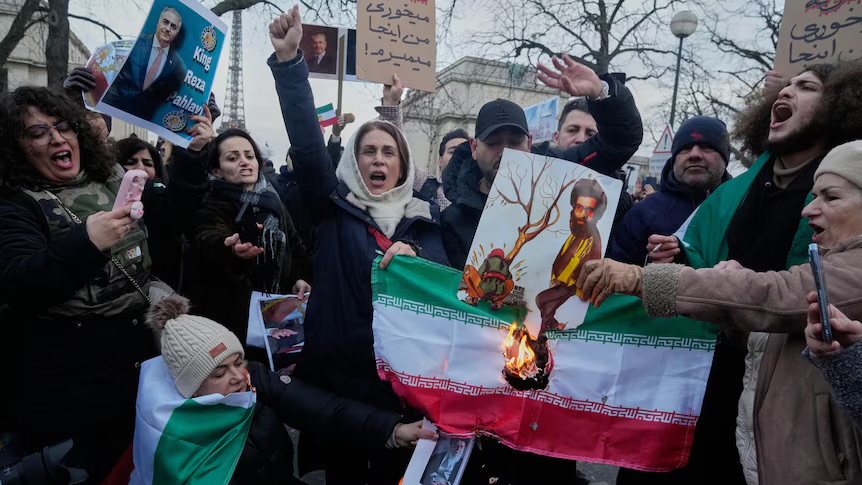
The remarks come amid escalating unrest across Iran, where protests that began over soaring living costs have evolved into direct calls for the fall of the ruling clerical establishment. U.S.-based rights group HRANA said it had verified nearly 500 protester deaths and more than 10,000 arrests since demonstrations began in late December, though Reuters could not independently confirm the figures amid an ongoing internet blackout.
Speaking aboard Air Force One, Trump said Iran had reached out to negotiate over its nuclear program and that a meeting was being arranged. However, he warned that Washington might act before talks take place if violence against protesters continues. A U.S. official told Reuters that Trump is expected to review options ranging from expanded sanctions and cyber measures to potential military strikes.
Iranian officials struck a dual tone of defiance and openness. Araqchi told foreign diplomats that Iran is “ready for war” but remains open to dialogue, while warning that contradictory signals from Washington undermine trust. Iranian Parliament Speaker Mohammad Baqer Qalibaf cautioned that any U.S. attack would prompt retaliation against U.S. bases and Israel.
The unrest unfolds against a weakened regional position for Tehran following last year’s conflict with Israel and setbacks suffered by allies such as Hezbollah. Analysts say that while the protests are unlikely to topple the regime, they could leave it significantly more fragile.
Former U.S. diplomat Alan Eyre told Market Insider the Iranian leadership is likely to suppress the unrest but emerge “far weaker,” noting that elite cohesion remains intact and no organized opposition has yet coalesced.
Iran is signaling openness to dialogue even as tensions escalate. For Washington, the dilemma lies between leveraging diplomacy and responding forcefully to human rights abuses—choices that could reshape U.S.–Iran relations at a moment of heightened regional instability.
