
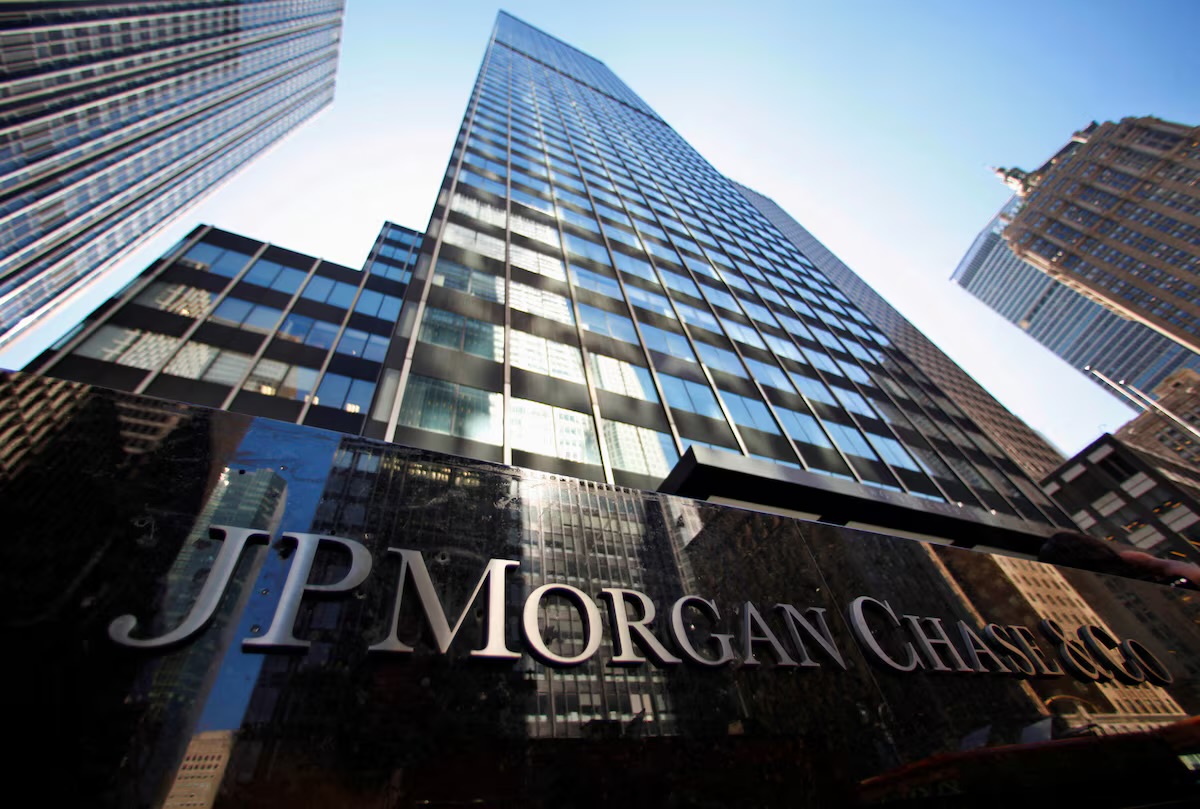
Jamie Dimon says the real risk is oil above $100, not the conflict itself
MARKET INSIDER – As tensions surrounding the Iran conflict ripple through global markets, analysts at JPMorgan Chase say the stock market may already have priced in much of the geopolitical risk. According to assessments discussed by CEO Jamie Dimon, investors had been anticipating the possibility of U.S. military action for weeks before hostilities escalated.
Financial indicators had already reflected rising tension across the Middle East. Oil prices climbed above $72 per barrel, gold approached $5,300 per ounce, and market sentiment implied roughly a 70% probability that Washington would become directly involved in the conflict. In other words, the geopolitical shock was not entirely unexpected for global markets.
The primary concern now centers on energy supply. Iran accounts for roughly 3% of global oil production, but the larger strategic risk lies in the Strait of Hormuz, through which nearly 20% of the world’s oil and liquefied natural gas flows. Disruption to this shipping route could amplify energy volatility far beyond Iran’s own production capacity.
JPMorgan outlines two major scenarios for how the conflict could affect global markets. In the most severe case—regional escalation or a full blockade of Hormuz—oil prices could surge above $100 per barrel. That shock could add roughly 1% to 1.5% to U.S. inflation while cutting a similar amount from economic growth. However, analysts believe a total blockade is unlikely, given that Iran itself relies heavily on the same shipping corridor for exports.
A second scenario involves prolonged internal instability or leadership change within Iran. In that case, oil prices could stabilize in the $80 to $85 range. Even then, sustained energy costs could lift inflation by roughly 0.8% and modestly reduce global growth.
Despite these risks, JPMorgan argues that geopolitical conflicts historically create sharp but temporary market disruptions. Defensive assets such as gold, energy stocks, and alternative investments—including hedge funds and structured products—tend to perform well during periods of heightened geopolitical uncertainty.
Longer-term market data reinforces this view. Analysis of more than 36 major geopolitical conflicts since 1940 shows that while the S&P 500 often declines in the early stages of crises, it typically recovers quickly. On average, the index rebounds within about three months and gains more than 10% over the following two years.
Energy markets, however, have historically been more sensitive to political upheaval. Since 1979, regime changes in oil-exporting nations have triggered oil price spikes averaging about 30%, with extreme cases reaching as high as 76%. The Iranian Revolution, for example, drove oil prices up more than 100% and contributed to a global recession.
The difference today, analysts note, is that the United States has become far less vulnerable to energy shocks. Domestic production has expanded dramatically over the past decade, turning the country into a net exporter of oil. That structural shift reduces the likelihood that an oil spike alone could trigger a deep economic downturn.
For investors, the takeaway is straightforward: geopolitical crises can rattle markets, but the real determinant of economic damage is the duration and severity of energy disruptions. If oil briefly spikes but stabilizes below $100, history suggests markets will absorb the shock and move on.
In the end, the conflict itself may not be the biggest risk. The real question for global investors is how long energy prices stay elevated—and whether the world’s most important oil corridor remains open.
