
Relief spreads across global assets after U.S. president eases geopolitical fears in Davos
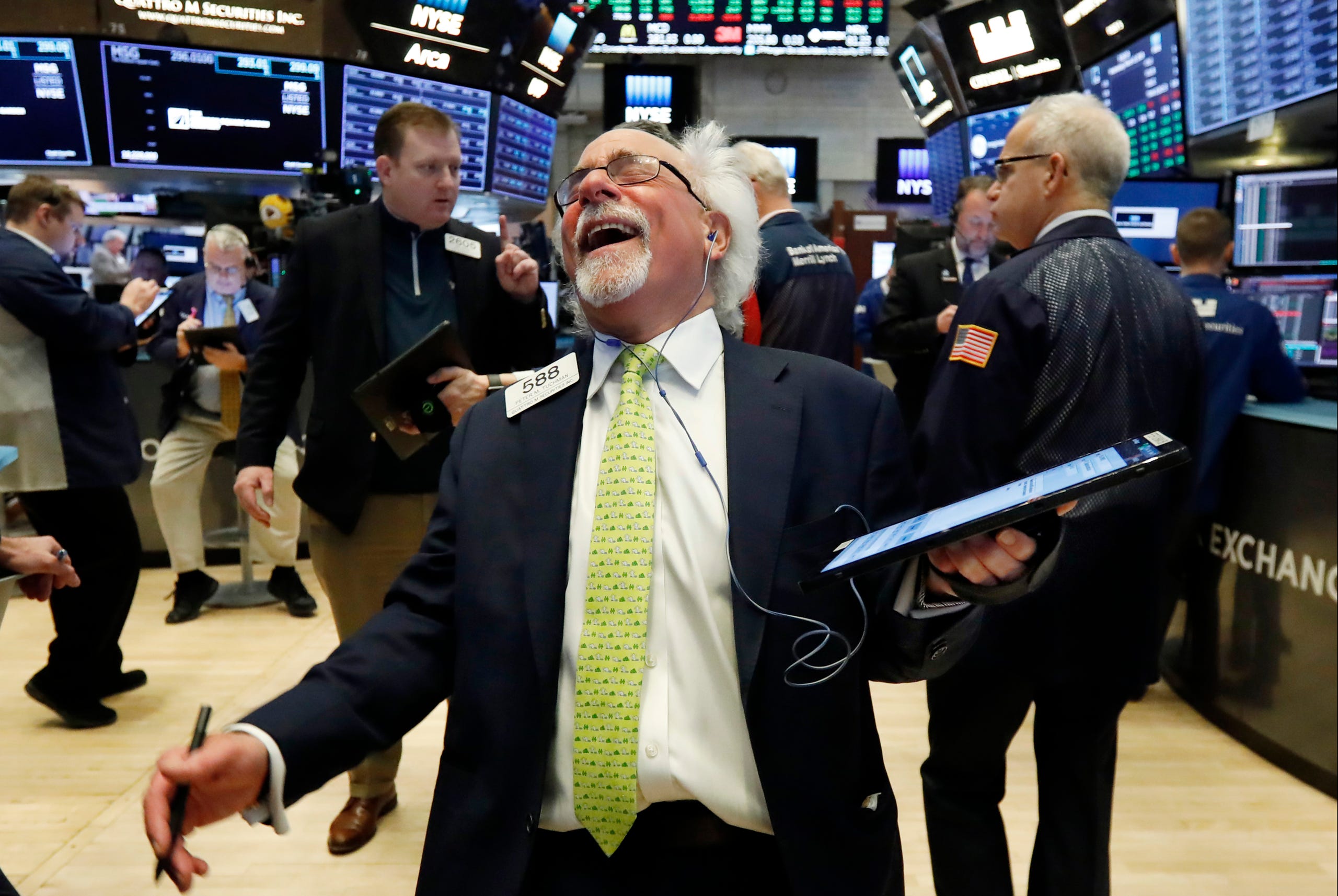
MARKET INSIDER – Global markets found their footing after a sharp sell-off when Donald Trump publicly ruled out military action to acquire Greenland—defusing a geopolitical flashpoint that had unsettled investors and triggered a brief “sell America” trade. Speaking at the World Economic Forum in Switzerland, Trump’s comments steadied risk appetite, lifting equities and easing pressure on U.S. assets.
U.S. stocks rebounded decisively. The Dow Jones Industrial Average rose 0.7%, while the S&P 500 and Nasdaq Composite gained 0.8% and 0.7%, respectively. Treasury prices climbed and yields dipped, while the U.S. dollar pared losses after Trump said he would not use force—calming fears that had pushed yields briefly above 4.3% on the 10-year note a day earlier.
The relief followed a bruising session in which markets posted their worst daily performance since October, driven by escalating tariff rhetoric and uncertainty over Greenland—an autonomous Danish territory. Trump’s reassurance marked a tonal shift, even as he confirmed he would pursue negotiations to discuss a potential acquisition. For investors, the message mattered: geopolitical brinkmanship had raised the risk premium on U.S. assets, and clarity—even partial—helped reset expectations.
Financial stocks also advanced after Trump reiterated plans to seek a 10% credit card interest cap, an idea with uncertain congressional support but enough to buoy sentiment. Citigroup climbed about 2%, while Capital One added more than 1%. Still, strategists cautioned that volatility could persist. Joyce Chang of JPMorgan noted that “America First” policies are quietly encouraging diversification away from dollar assets among official investors—an undercurrent that may not fade quickly.
Across the Atlantic, tensions remain elevated. Ursula von der Leyen warned that new U.S. tariffs would risk a “dangerous downward spiral,” pledging a firm, proportional response in solidarity with Greenland and Denmark. French President Emmanuel Macron signaled the European Union could deploy its Anti-Coercion Instrument, potentially restricting U.S. firms’ access to Europe’s single market.
Why this matters globally: the episode underscores how swiftly geopolitics can ripple through capital markets—and how quickly sentiment can reverse when rhetoric cools. With trade frictions and strategic competition still unresolved, investors may welcome the rebound—but the bigger debate is whether this was a brief scare or an early warning that diversification away from U.S. assets is becoming structural.
