
Investors brace for volatility as US-Iran tensions threaten global oil flows
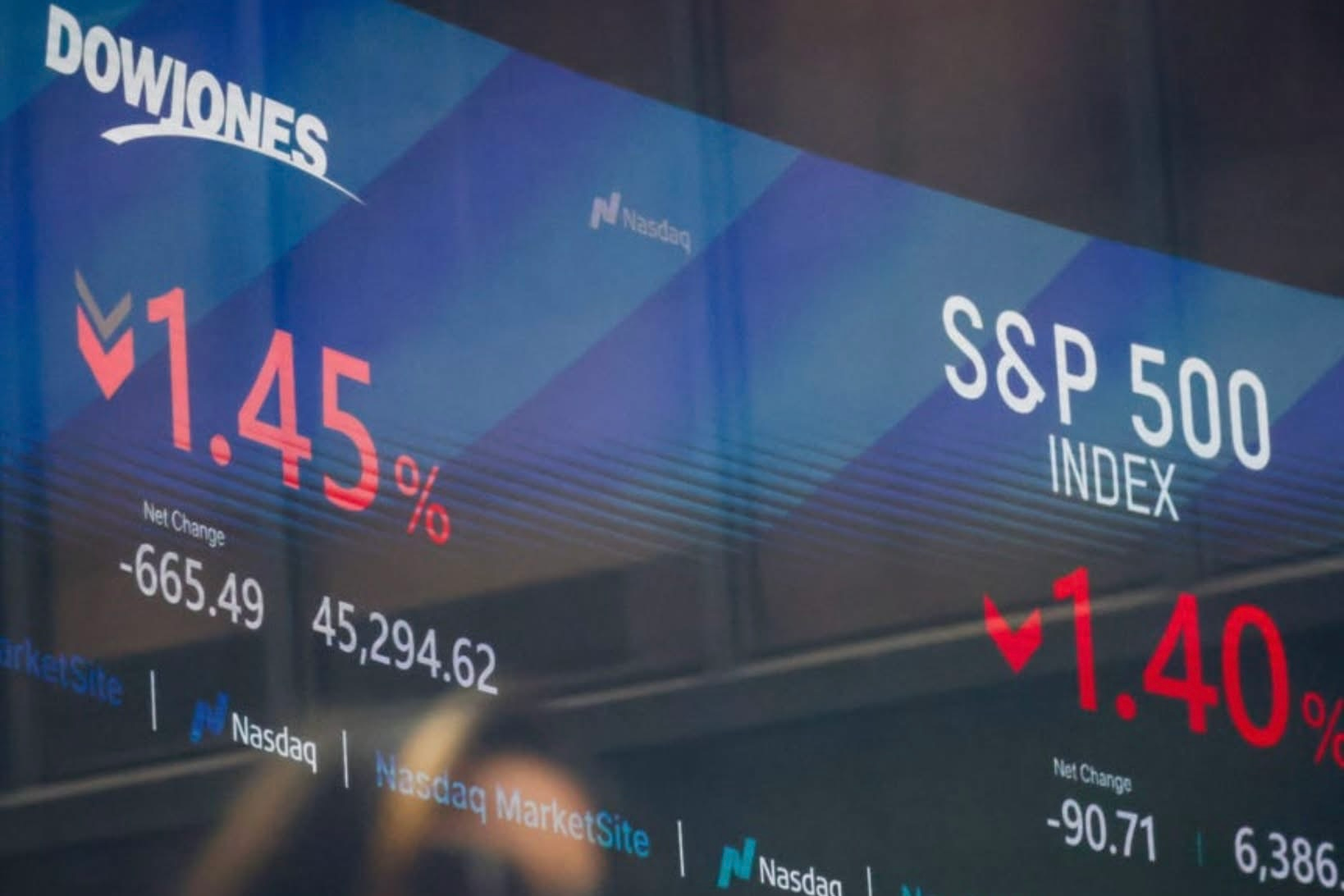
MARKET INSIDER – Global markets are flashing early warning signals as geopolitical risk returns to center stage. Futures tied to the S&P 500, Nasdaq 100, and Dow Jones Industrial Average all moved lower ahead of a critical U.S. deadline that could reshape energy markets and investor sentiment worldwide.
At the heart of the uncertainty is the strategic Strait of Hormuz—a chokepoint through which roughly a fifth of global oil supply flows. As President Donald Trump presses Iran to reopen the route or face potential military escalation, investors are recalibrating risk across equities, commodities, and currencies. Even modest declines in futures signal heightened caution, particularly after Monday’s rally suggested markets were betting on a swift resolution.
Wall Street’s optimism has been fueled by reports of ongoing diplomatic efforts. According to multiple sources, including discussions cited by Axios and Reuters, negotiations involving the U.S., Iran, and regional mediators could produce a 45-day ceasefire framework—potentially paving the way for a broader de-escalation. That narrative briefly supported equities, reinforcing the view that the conflict may remain contained.
Still, the stakes are far from localized. Any disruption in Hormuz would reverberate across global supply chains, energy prices, and inflation trajectories—from Europe’s industrial base to Asia’s manufacturing hubs. For institutional investors, the equation is clear: geopolitical risk is no longer a tail event but a core macro driver, especially as defense spending rises and fiscal policy remains expansionary.
Market participants are also watching incoming economic data, including U.S. durable goods orders, for signals on underlying demand resilience. Yet in the current environment, macro fundamentals risk being overshadowed by geopolitics—a dynamic that has historically triggered sharp, sentiment-driven market swings.
The deeper question now is whether markets are underpricing escalation risk. If diplomacy fails and tensions spill over into prolonged disruption, the current dip in futures may prove less a pause and more the beginning of a broader repricing of global risk.
