
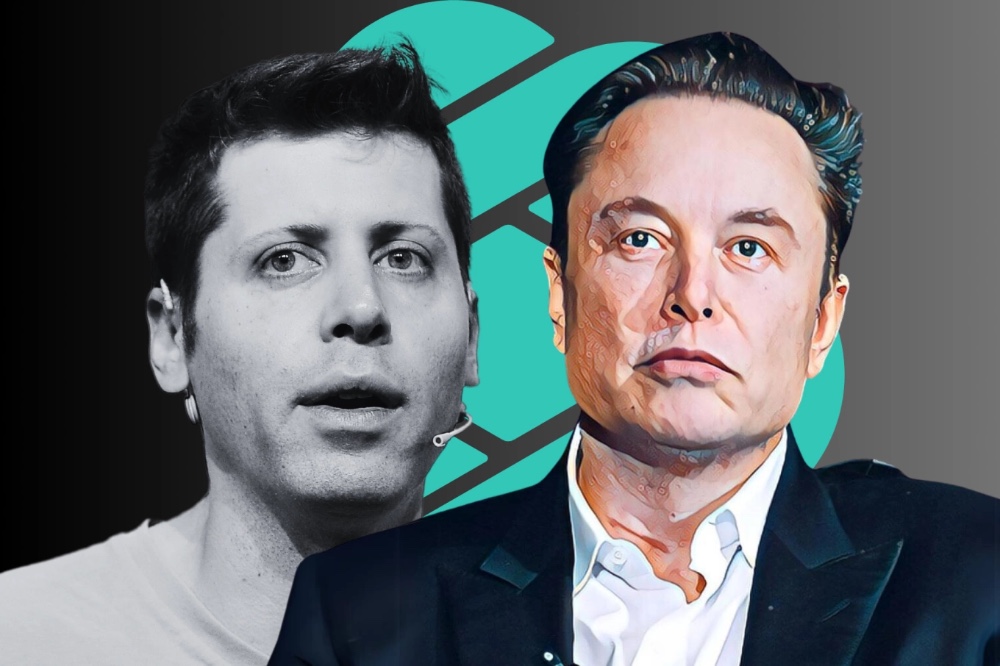
Lawsuit pits founding ideals against Big Tech profits as the future of AI governance heads to trial
MARKET INSIDER – Elon Musk is escalating one of Silicon Valley’s most consequential legal battles, demanding up to $134 billion from OpenAI and Microsoft—a claim that reframes the global AI boom as a fight over founding promises, control, and who ultimately captures the value of world-changing technology.
In a U.S. federal court filing, Elon Musk argues that OpenAI and its strategic partner Microsoft reaped “wrongful gains” derived from his early backing of the artificial-intelligence startup. Musk contends that his funding, credibility, and network helped transform OpenAI into one of the most valuable AI platforms on the planet—benefits he says were later diverted when the organization pivoted toward a for-profit structure.
According to the filing, OpenAI accrued between $65.5 billion and $109.4 billion in value linked to Musk’s early involvement, while Microsoft gained an estimated $13.3 billion to $25.1 billion through its deep commercial partnership with the AI lab. Musk says he contributed roughly $38 million—about 60% of OpenAI’s seed funding—while also recruiting talent, opening doors to strategic relationships, and lending credibility at a critical formative stage.
The dispute goes beyond money. Musk, who left OpenAI in 2018 and now leads rival AI venture xAI, alleges that OpenAI’s restructuring violated its founding mission to develop AI for the benefit of humanity. OpenAI, the company behind ChatGPT, has dismissed the lawsuit as baseless and politically motivated, while Microsoft denies any role in wrongdoing. Both companies are seeking to exclude Musk’s expert testimony, calling the damages model speculative and unprecedented.
A federal judge in Oakland has ruled that a jury will hear the case, with trial expected to begin in April. Beyond potential compensatory and punitive damages, Musk is also seeking possible injunctive relief—raising the prospect of court-imposed constraints on how one of the world’s most influential AI platforms operates.
Why this matters globally is simple: the outcome could redraw the rules of AI governance, nonprofit-to-for-profit transitions, and Big Tech partnerships worldwide. If Musk prevails, early founders and donors may gain new leverage over how transformative technologies are commercialized. If he loses, it may further cement the dominance of capital-intensive alliances between frontier AI labs and global tech giants. Either way, the case is becoming a referendum on who controls the future of artificial intelligence—and who gets paid when ideals collide with trillion-dollar markets.
