
Chip Titan’s Earnings Loom as US Rate-Cut Hopes Crater, Injecting Volatility into Asia’s Geopolitical Fault Lines.
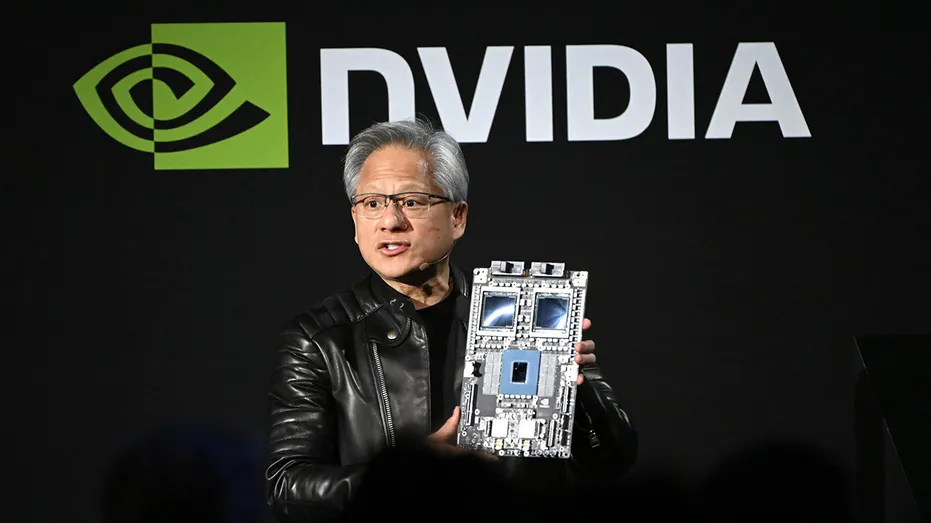
MARKET INSIDER – Global markets are bracing for a decisive week, with all eyes laser-focused on Nvidia’s earnings release, a crucial test for the $5 trillion tech valuation that has single-handedly propelled the Nasdaq’s rally. This corporate event is now the most critical pivot for investors worldwide, overshadowing what is otherwise a quiet data week. The tech sector’s extraordinary run is colliding with rapidly fading hopes for a December U.S. interest rate cut, intensifying pressure on high-flying, rates-sensitive stocks. This volatility is compounded by fresh geopolitical risk, as escalating diplomatic tensions between China and Japan send shockwaves through Asian retail and tourism sectors, underscoring how interconnected global growth, central bank policy, and political risk truly are.
The market’s caution is palpable, seen in mixed futures trading and Asia’s slight dip, where indices like the Nikkei and Hang Seng registered losses. In Japan, shares in key retail and cosmetics giants such as Isetan Mitsukoshi and Shiseido plunged by roughly 10% after China issued tourism warnings, an instant and painful reminder of Beijing’s economic leverage. This is a clear case study for global business leaders on how easily supply chain and consumer demand can be weaponized in a geopolitical standoff, forcing a re-evaluation of Asia-exposed equity portfolios from Tokyo to Sydney.
Simultaneously, the U.S. rate narrative is undergoing a dramatic shift. Following recent hawkish commentary from Federal Reserve officials, expectations for a year-end rate cut have sunk below the 50% threshold. This recalibration is the primary headwind for technology, especially the chip sector, which has been priced for near-perfection and plentiful liquidity. Investors are largely dismissing the delayed September jobs report as “stale” data, instead focusing on high-impact corporate results from major retailers like Walmart and Target, though the consensus view is that only Nvidia’s forecast—the ultimate AI bellwether—can truly dictate the market’s direction for the rest of the year.
The pressure is magnified in Japan’s economy, which contracted for the first time in six quarters due to lingering global trade friction. Yet, the greater concern for bond traders is a new $110 billion stimulus plan proposal, which spooked markets, driving 20-year yields to a 26-year high. This mirrors fiscal discipline concerns seen in the U.K. and highlights a global theme: governments pivoting from monetary restraint to fiscal expansion are fueling bond market anxiety and threatening currency stability, creating a complex risk environment for global treasuries and the yen.
This confluence of macro-risk and single-stock dependency has pushed traditional safe-haven assets and volatile crypto assets into a correlated tailspin; Bitcoin is nursing its largest weekly loss since March, behaving less like a hedge and more like an ultra-leveraged tech stock. The biggest question for investors now isn’t if the Fed cuts, but whether the market has already peaked on its AI excitement. If Nvidia fails to provide an optimistic guidance to match its 1,000% rally since the ChatGPT launch, the ensuing correction could shatter the confidence in the entire mega-cap tech cohort, forcing a painful rotation into neglected value sectors globally.
