
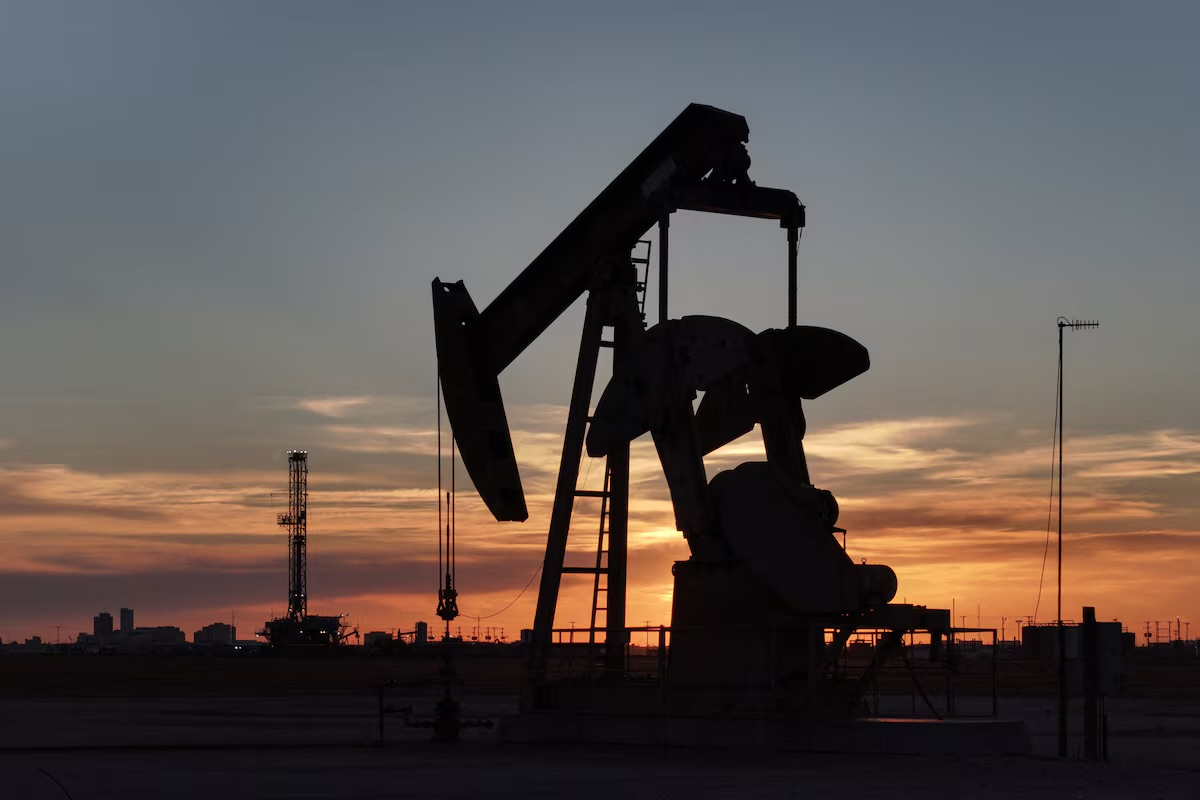
Energy routes at risk as investors pivot to safe havens amid rising war fears
MARKET INSIDER – The intensifying conflict in the Middle East is poised to ripple across global markets, with oil, currencies, equities, and safe-haven assets all in the crosshairs. At the center of the financial impact lies a single chokepoint: the Strait of Hormuz, through which roughly 20% of the world’s oil supply flows. Any sustained disruption there could rapidly reprice energy, inflation expectations, and risk appetite worldwide.
Brent crude was trading near $73 per barrel before hostilities escalated. Analysts now warn that even a contained conflict could push prices toward $80 per barrel, while prolonged supply disruption could drive oil above $100—levels that would inject fresh inflationary pressure into an already fragile global economy.
Iran is both a major oil producer and geographically positioned opposite the Arabian Peninsula across the Strait of Hormuz, amplifying strategic risk. According to Reuters, several major trading houses have already paused shipments through the corridor amid security concerns. Even partial avoidance by tanker fleets could remove millions of barrels per day from effective supply. Energy analysts suggest that while a full closure of the Strait remains unlikely, even modest interruptions would send prices sharply higher.
Higher oil prices would quickly feed into inflation metrics. Economists estimate that crude at $100 per barrel could add 0.6–0.7 percentage points to global inflation, complicating monetary policy decisions in the U.S., Europe, and emerging markets. For central banks already navigating sticky price pressures, a renewed energy shock could delay rate cuts or even reignite tightening cycles.
Financial markets are unlikely to remain insulated. The CBOE Volatility Index has already climbed significantly this year, reflecting elevated risk premiums. Currency markets may see sharp swings: the U.S. dollar could strengthen if oil disruptions persist, given America’s status as a net energy exporter. Traditional safe-haven currencies such as the Swiss franc and Japanese yen are also expected to attract inflows.
Precious metals stand to benefit. Gold has historically rallied during geopolitical crises, and renewed instability could extend its upward trajectory. Demand for U.S. Treasuries may also rise, pushing yields lower in a flight-to-safety dynamic.
Notably absent from the safe-haven list is Bitcoin, which has recently traded more like a high-beta risk asset than a geopolitical hedge. Its recent pullback underscores how digital assets increasingly correlate with broader market sentiment rather than serving as crisis insurance.
The broader question is duration. Short, contained exchanges may trigger only temporary volatility. But if the conflict escalates into sustained disruption—particularly affecting oil infrastructure or shipping lanes—the macro consequences could be profound.
For investors, the pattern is familiar but amplified: energy rises, gold strengthens, volatility spikes, and risk assets wobble. The difference this time is the global economy’s limited cushion against another supply shock. Whether markets stabilize quickly or enter a prolonged risk-off phase will depend less on headlines—and more on whether energy flows continue uninterrupted.
