
Markets cool after U.S. signals control of key oil chokepoint and potential easing of Russia sanctions
MARKET INSIDER – Oil prices pulled back sharply after briefly surging close to $120 per barrel, as investors reacted to signals from Donald Trump that the United States may move to secure the Strait of Hormuz, the most critical artery in global energy trade.
In extended trading, U.S. crude dropped more than 6% to around $85 per barrel while global benchmark Brent crude fell roughly 4.6%. The retreat came after Trump told CBS News he was considering “taking over” the strategic waterway to ensure safe passage for tankers, adding that he believes the conflict with Iran could end soon.
The announcement followed one of the most volatile sessions in years. West Texas Intermediate had earlier surged to nearly $120 overnight as Gulf producers slashed output amid security threats from Iran. Brent crude also spiked above $119 during the session—its highest level since the early months of Russia’s 2022 invasion of Ukraine.
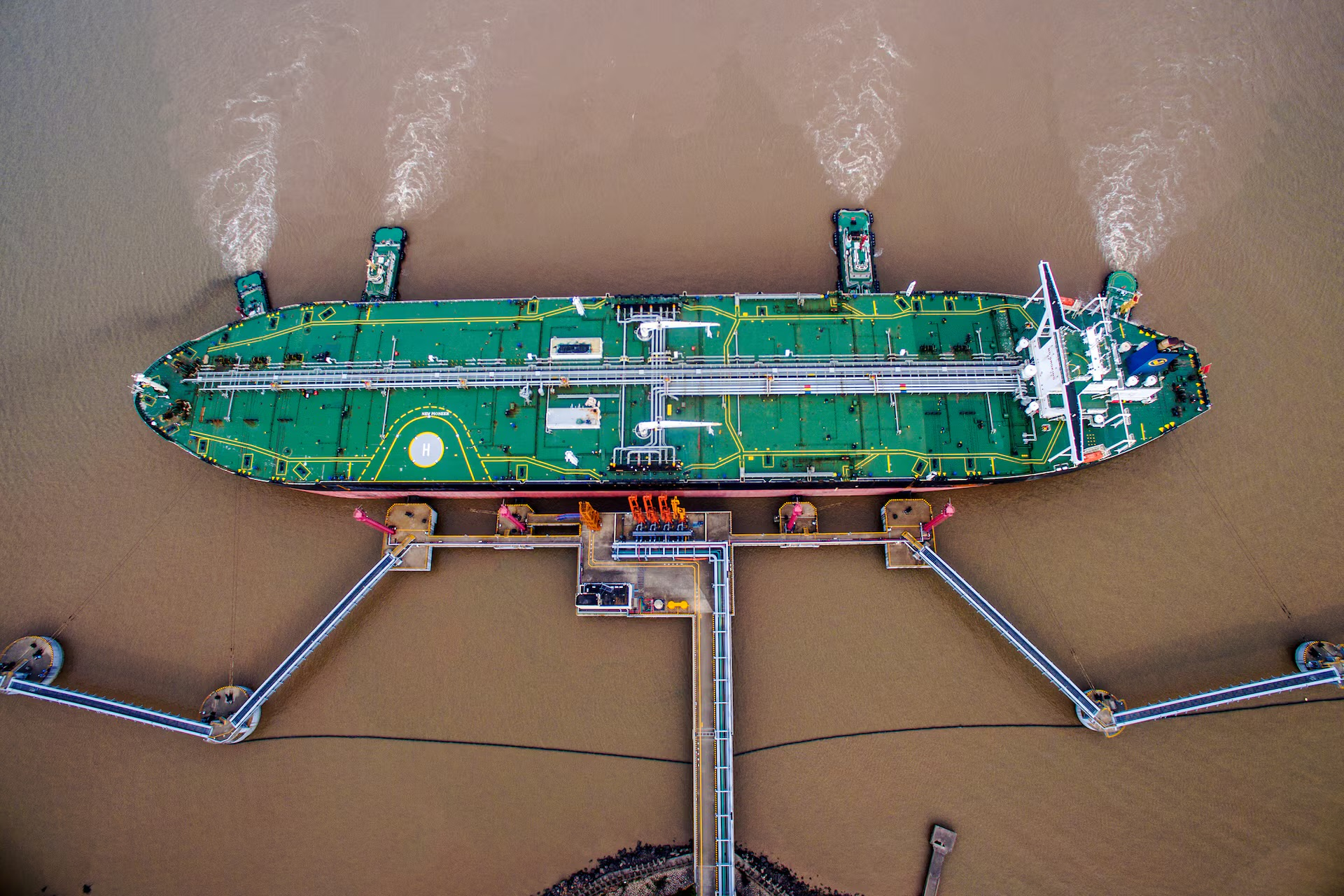
Supply disruptions remain severe. The Strait of Hormuz normally carries about one-fifth of global oil consumption, and tanker traffic has slowed to a trickle as shipping companies fear attacks. Analysts from energy consultancy Rapidan describe the situation as the largest oil supply disruption in modern history.
Compounding the crisis, several Gulf producers have cut output as storage tanks fill with crude that cannot be shipped. Production in Iraq has reportedly collapsed by roughly 70% from its major southern oil fields, while Kuwait and the United Arab Emirates have reduced production as a precaution.
The White House is also exploring additional measures to stabilize energy markets, including the possibility of easing oil sanctions on Russia to increase supply. At the same time, energy ministers from the Group of Seven are preparing to discuss a coordinated release of strategic reserves to prevent a deeper global energy shock.
Despite Monday’s price drop, analysts warn that oil markets remain highly fragile. If the disruption persists, forecasts from Rystad Energy suggest Brent could climb above $110 within two months and potentially reach $135 per barrel if shipping through Hormuz remains restricted for several months.
For now, traders are balancing two powerful forces: the immediate supply shock created by the conflict and the possibility that U.S. intervention could reopen the world’s most important energy corridor. The direction of oil prices—and potentially global inflation—may hinge on which scenario unfolds first.
