
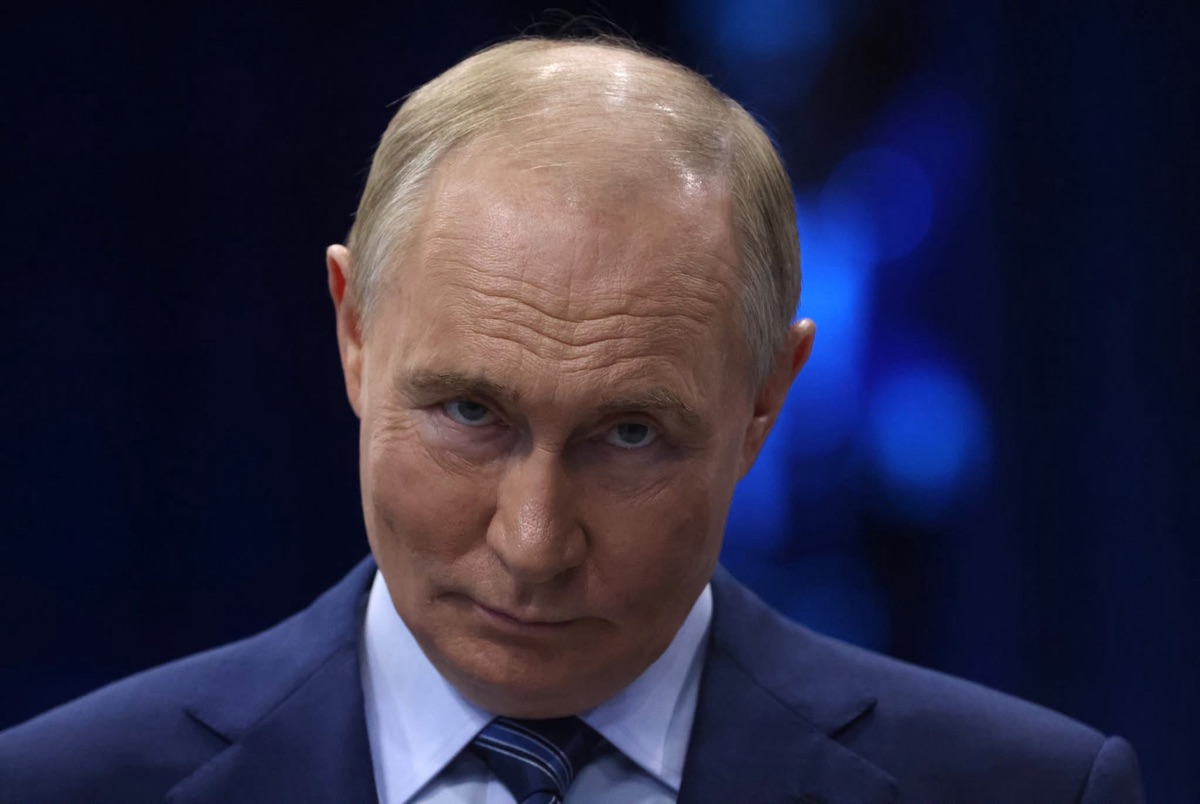
Russia weighs role as U.S.-led plan seeks to reshape Gaza’s post-war future
A surprise diplomatic opening is emerging in the Middle East: Vladimir Putin has been formally invited to join Gaza Peace Council, a new U.S.-backed body championed by Donald Trump to oversee Gaza’s governance and reconstruction. If accepted, the move would place Washington and Moscow—often at odds—on the same table at a pivotal moment for regional stability.
The Kremlin confirmed the invitation on Monday, saying Russia is studying the proposal’s details and seeking clarification from Washington. “Yes, President Vladimir Putin received an invitation through diplomatic channels,” spokesman Dmitry Peskov told reporters in Moscow, signaling cautious openness rather than a firm commitment. The Council is billed by Trump as a flagship instrument of phase two of the U.S.-supported roadmap to end the Gaza conflict.
The initiative follows the first phase of a ceasefire that began in October 2025, which included the return of Israeli hostages held by Hamas in exchange for Palestinian prisoners and a partial Israeli military withdrawal. Phase two raises the stakes considerably: comprehensive demilitarization, the disarming of all illegal armed groups, and large-scale reconstruction of the Gaza Strip—an undertaking expected to require billions in aid and years of political coordination.
Momentum for the Council is building beyond the U.S. and Russia. Kazakhstan’s president Kassym-Jomart Tokayev has also accepted an invitation, pledging to contribute to a “stable peace” in the Middle East. Invitations have reportedly been sent to around 60 countries, underscoring Washington’s push for broad international buy-in to legitimize the post-war framework.
Notably, Vietnam has emerged as an early supporter. President Trump invited To Lam to join as a founding member, an offer Hanoi accepted while reaffirming support for a two-state solution in which a Palestinian state coexists peacefully with Israel. Vietnam’s participation highlights how middle powers are being drawn into a process once dominated by a handful of global actors.
Whether Russia ultimately joins may shape the Council’s credibility—and its effectiveness. A U.S.-led body that includes Moscow could recalibrate great-power dynamics in the Middle East, while exclusion risks parallel tracks and geopolitical friction. The contrarian question now circulating among diplomats and investors alike: could Gaza’s reconstruction become a rare arena of cooperation in an otherwise fragmented world, or will it expose the limits of multilateralism at a time of intensifying global rivalry?
