
Moscow signals escalation by force if Kyiv and Europe reject U.S.-backed proposals, deepening fears of a wider war
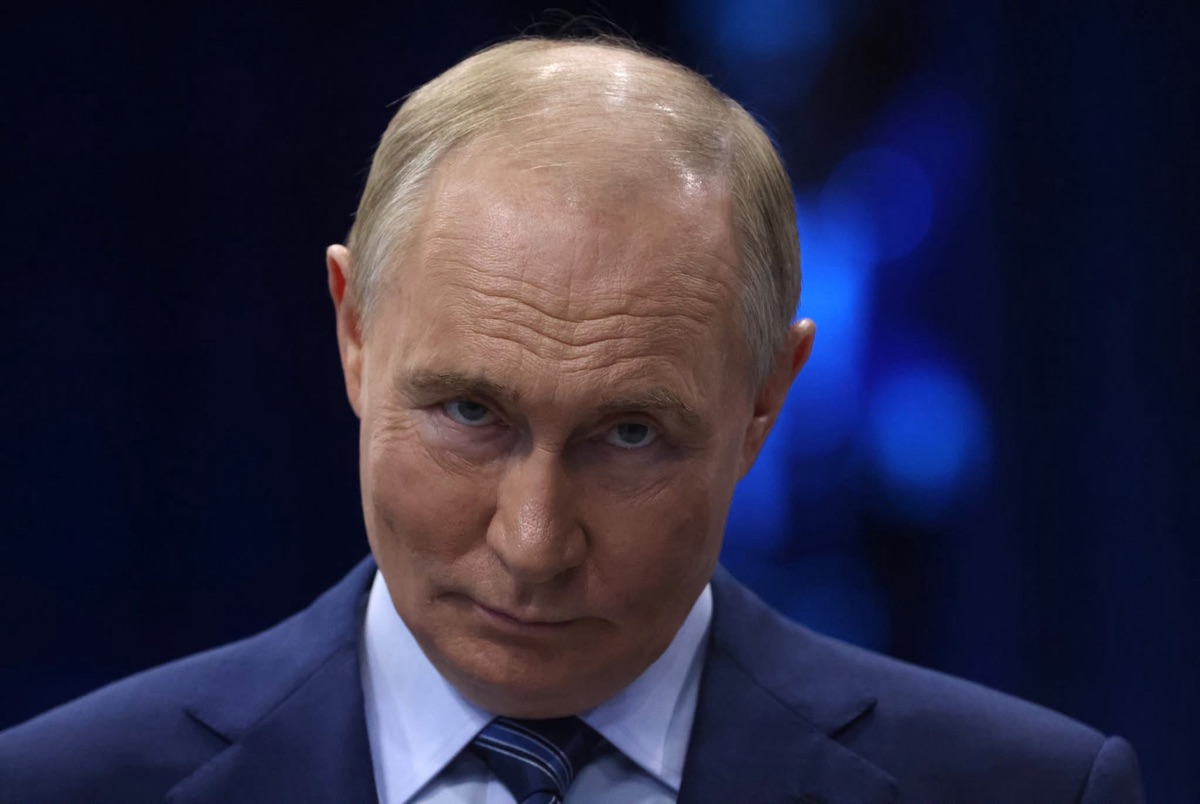
MARKET INSIDER – Russian President Vladimir Putin has warned that Moscow will seize more Ukrainian territory by force if Kyiv and European leaders refuse to engage with U.S.-led peace proposals, sharpening tensions at a moment when diplomacy appears increasingly fragile.
Speaking at Russia’s annual defense meeting, Putin said Russian forces were advancing on all fronts and would achieve their objectives either through negotiations or military action. His remarks came as Washington continues to hold separate talks with Russia, Ukraine and European leaders in an effort to broker a ceasefire, despite failing so far to secure a breakthrough.
The threat has intensified alarm in Kyiv and across Europe, where leaders fear any settlement could pressure Ukraine into territorial concessions without firm security guarantees. Ukraine has repeatedly stated it will not accept the loss of sovereign territory, insisting that peace without credible protection would merely freeze the conflict before another Russian advance.
Russia currently claims control over roughly 19% of Ukraine’s territory, including Crimea, annexed in 2014, most of the eastern Donbas region, large parts of Kherson and Zaporizhzhia, and smaller areas across four additional regions. Moscow insists these territories are now part of Russia, a position rejected by Ukraine and most of the international community.
Defense Minister Andrei Belousov underscored the scale of Russia’s commitment, saying the military’s task for 2026 is to accelerate offensive operations. Official figures presented at the meeting showed Russia allocating about 5.1% of its GDP to the war in 2025, highlighting the growing economic weight of the conflict.
European leaders responded by reiterating their support for Kyiv, warning that Russia must not be rewarded for military aggression. The war, they note, follows years of fighting between Ukrainian forces and Russia-backed separatists in Donbas and represents a direct challenge to Europe’s post–Cold War security order.
Putin, meanwhile, accused the administration of former U.S. President Joe Biden and European governments of seeking to weaken or destroy Russia, allegations that Western leaders have consistently dismissed. With diplomacy stalled and military spending rising, his latest comments suggest the Kremlin is preparing both its domestic audience and foreign counterparts for a longer, more expansive conflict unless negotiations move on Moscow’s terms.
