
MARKET INSIDER – The escalating trade rift, recently inflamed by Beijing’s new restrictions on rare-earth materials, has ignited a political and economic firestorm. But for investors, the most surprising upshot came this week from an unexpected corner: the American rare-earths mining business.
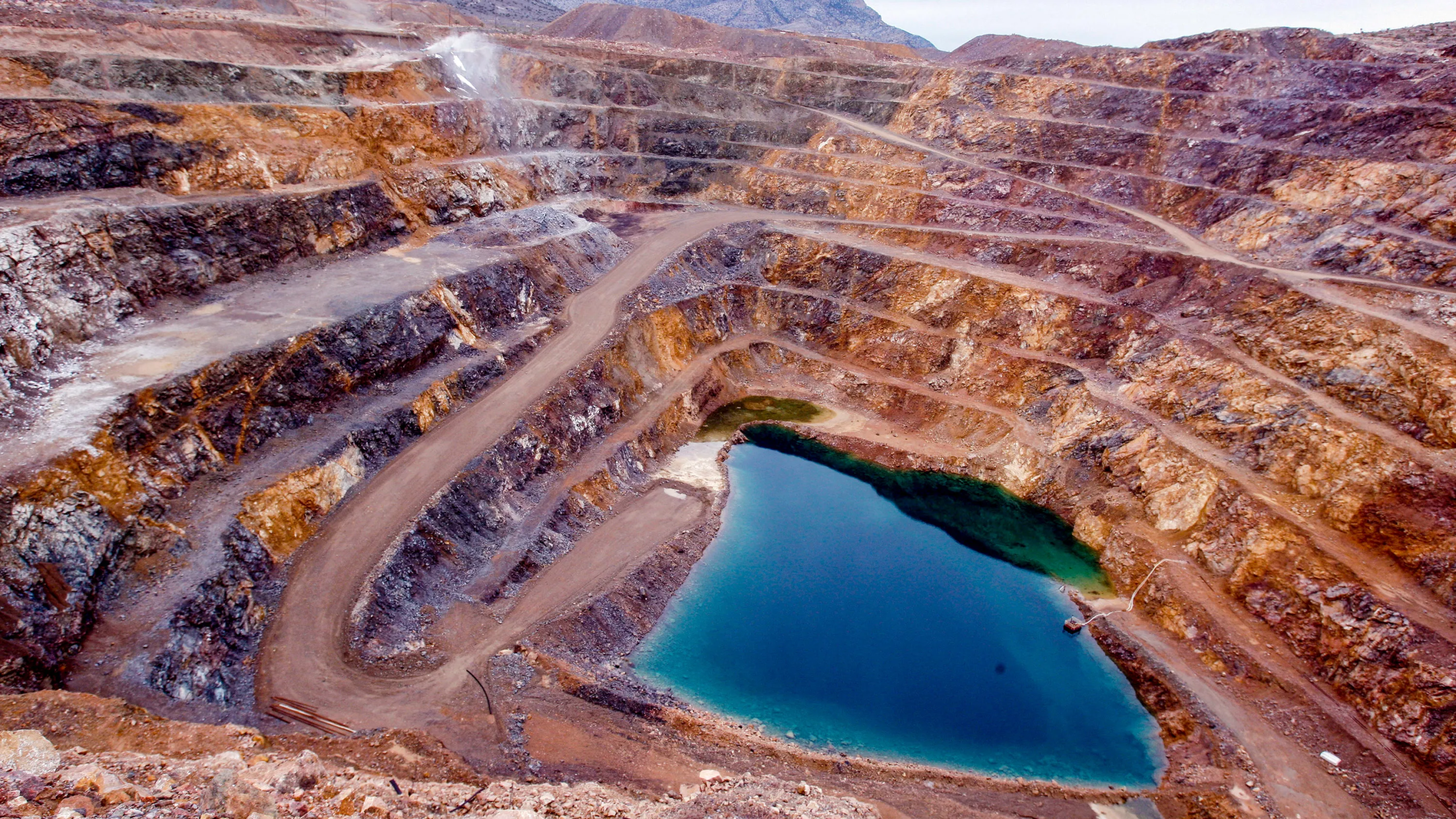
Ohio-based steel company Cleveland-Cliffs (CLF) announced Monday that it is already exploring the excavation of rare-earth material and has identified two promising sites. Investors scrambled to get in on the strategic resource play, sending CLF shares soaring by more than 20% in the immediate aftermath.
The sudden, intense market excitement around this corporate pivot—the rapid stock surge on the promise of a move into a charged, high-growth area—brings to mind the heady days of companies pivoting to “crypto” or “AI.” The language, the timing, and the swift market approval fall into a neat parallelism with the Long Island Blockchain (née Iced Tea) era.
However, this mining pivot is fundamentally different. It signals a new period of corporate nationalism, where executive priorities align directly with national imperatives. As trade conflicts are expected to define the coming years, executives who pin their businesses to the broader U.S. strategy for technological sovereignty stand to gain distinct business advantages.
Cleveland-Cliffs CEO Lourenco Goncalves framed the ambition squarely within this strategic context as the company reported its third-quarter earnings. “If successful, it would align Cleveland-Cliffs with the broader national strategy for critical material independence, similar to what we achieved in steel,” Goncalves stated. “American manufacturing shouldn’t rely on China or any foreign nation for essential minerals, and Cliffs intends to be part of the solution.”
The strategy is straight from a playbook increasingly employed by U.S. giants like Nvidia (NVDA), Whirlpool (WHR), and much of Big Tech: fashioning the business as an indispensable instrument of American competition and technological independence.
Beijing’s new rare-earth restrictions and the White House’s fresh rounds of tariff threats have highlighted the strategic importance of these critical minerals and the acute vulnerabilities inherent in not controlling their supply chain. What Cliffs is offering, then, is more than just a new way to monetize existing assets. It’s the prospect of a new, indispensable weapon in the ongoing trade war, offering the U.S. potential leverage as negotiations with China continue. Investors appear to be betting heavily on that geopolitical advantage.
