
Crude prices fall to post-Ukraine war lows, squeezing Moscow’s budget and complicating efforts to reroute exports
MARKET INSIDER- Russia is facing one of its most severe energy shocks since the war in Ukraine began, as the price and volume of its oil exports slide to levels not seen in nearly three years. According to Argus Media, Russian crude is now selling for just over $40 a barrel on average for shipments from the Baltic Sea, the Black Sea and the Pacific port of Kozmino — the lowest since early 2022 and a decline of roughly 28% in just three months.
The drop reflects intensifying Western pressure on Moscow’s energy sector, particularly new U.S. sanctions targeting oil giants Rosneft and Lukoil. Washington has framed the measures as part of a broader strategy to tighten Russia’s fiscal constraints and increase leverage in any future peace negotiations. But the impact is no longer limited to pricing alone. Russia is now struggling to physically move its oil to buyers.
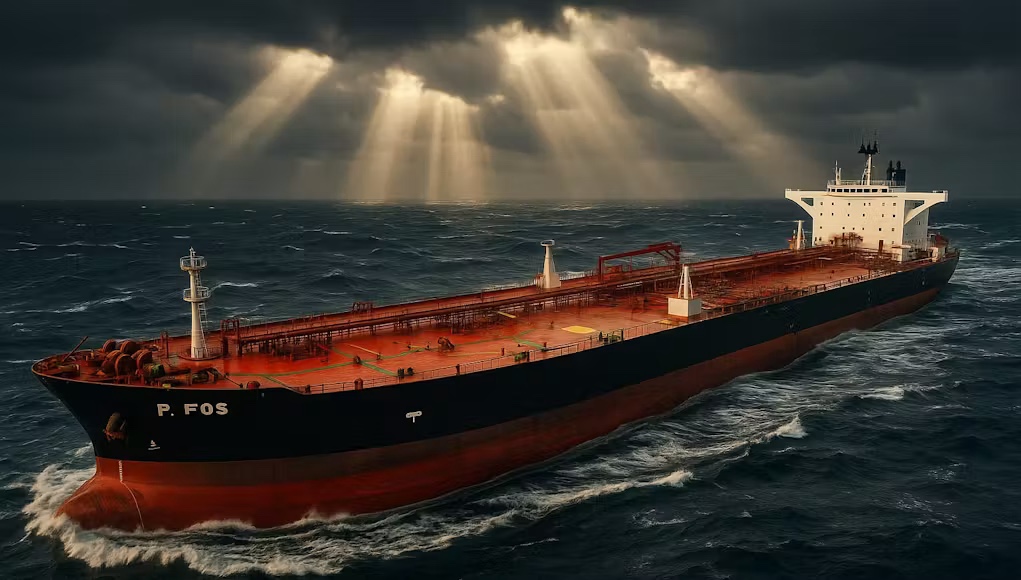
Seaborne crude loadings over the four weeks through mid-December fell sharply, marking the steepest weekly decline since the conflict began. At the same time, unsold barrels are piling up offshore. The volume of Russian oil stranded at sea has jumped about 40% since late August, with at least 20 cargoes loaded at western ports remaining undelivered since September — an unprecedented backlog.
The logistics picture is growing murkier as well. An increasing number of tankers carrying Russian oil have vanished from tracking systems near Indonesia’s Riau Islands, northeast of Singapore. The area is emerging as a shadow transshipment hub for sanctioned crude, similar to routes long used for Iranian oil. Since November, at least six ship-to-ship transfers involving Russian oil have been detected there, while another six fully loaded tankers have gone dark this month alone.
These disruptions strike at the heart of Russia’s war economy. Oil and gas still account for roughly one-third of federal budget revenues, meaning any sustained hit to export prices or volumes directly weakens Moscow’s ability to finance military operations. Analysts estimate that in 2025, Russia’s fossil fuel revenues could fall to roughly half of last year’s level, marking the lowest monthly intake since 2020.
Efforts to pivot exports toward Asia are also facing new headwinds. While China and India have been key buyers of discounted Russian crude, the U.S. has moved to increase pressure on New Delhi, imposing an additional 25% tariff on Indian imports on top of existing duties to discourage further purchases of Russian oil. At the same time, the G7’s $60-per-barrel price cap remains in force, with several Ukraine-aligned partners pushing effective limits even lower, to around $47.60 this year.
Taken together, the data point to a tightening noose around Russia’s energy lifeline. Lower prices, rising inventories, opaque shipping routes and shrinking market access are converging into a structural squeeze on oil revenues — one that could prove far more consequential for Moscow than headline sanctions alone.
