
A one-week halt raises hopes for talks, but the war’s core disputes remain untouched
MARKET INSIDER – Russia has confirmed it will temporarily suspend airstrikes on Ukraine following a personal request from Donald Trump, marking one of the most direct U.S.-brokered de-escalation gestures since the war began. The pause, set to last until February 1, is intended to create space for diplomatic talks—but whether it signals a path toward peace or merely a tactical pause remains an open question for global markets and policymakers.
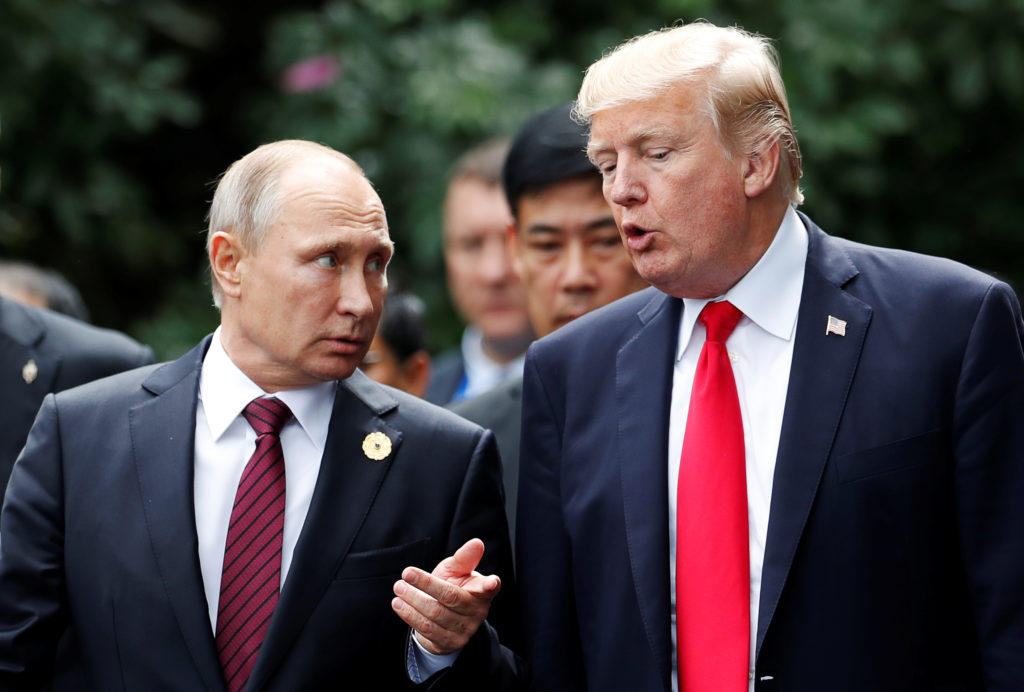
Kremlin spokesperson Dmitry Peskov said the decision followed a direct appeal from Trump to Vladimir Putin, emphasizing that the goal was to “facilitate negotiations.” Trump earlier said he urged Moscow to halt strikes on Kyiv and other cities amid extreme winter conditions, as Russia’s intensified attacks on energy infrastructure have pushed Ukraine into blackouts during one of the coldest winters in years.
On the Ukrainian side, Volodymyr Zelensky welcomed the initiative but was careful to frame it as an opportunity rather than an agreement. He said Ukraine is prepared to reciprocate if Russia stops targeting critical energy facilities, while stressing that no formal ceasefire has been reached. According to Zelensky, the de-escalation proposal originated from the U.S. during recent trilateral discussions in Abu Dhabi, where diplomats explored confidence-building measures such as restraining long-range strikes.
The timing underscores the fragility of the moment. The Russia–Ukraine war is approaching its fifth year, with Russian forces continuing a slow advance in eastern Donetsk and launching near-daily drone attacks far beyond the front lines. Since last autumn, Moscow has sharply escalated strikes on Ukraine’s power grid, turning energy infrastructure into a central pressure point as winter sets in.
Crucially, the core issues that have stalled past negotiations remain unresolved. Zelensky has acknowledged that territorial disputes—particularly over Donetsk—and control of the Zaporizhia nuclear power plant are still deadlocked. Moscow has demanded that Ukraine cede full control of Donbas and allow Russia to operate the nuclear facility, conditions Kyiv has firmly rejected.
For the world, the implications extend beyond the battlefield. Even a temporary pause in airstrikes can ease pressure on energy markets, regional security, and global risk sentiment—but history suggests that symbolic gestures alone rarely end entrenched conflicts. The coming days will test whether this U.S.-led opening evolves into sustained diplomacy, or whether it becomes another fleeting lull in a war that continues to reshape geopolitics, energy security, and investor confidence worldwide.
