
Silver and gold prices collapsed in a dramatic market reversal after President Donald Trump nominated Kevin Warsh as the next chair of the U.S. Federal Reserve, easing investor fears about central bank independence and triggering a sharp rally in the U.S. dollar.
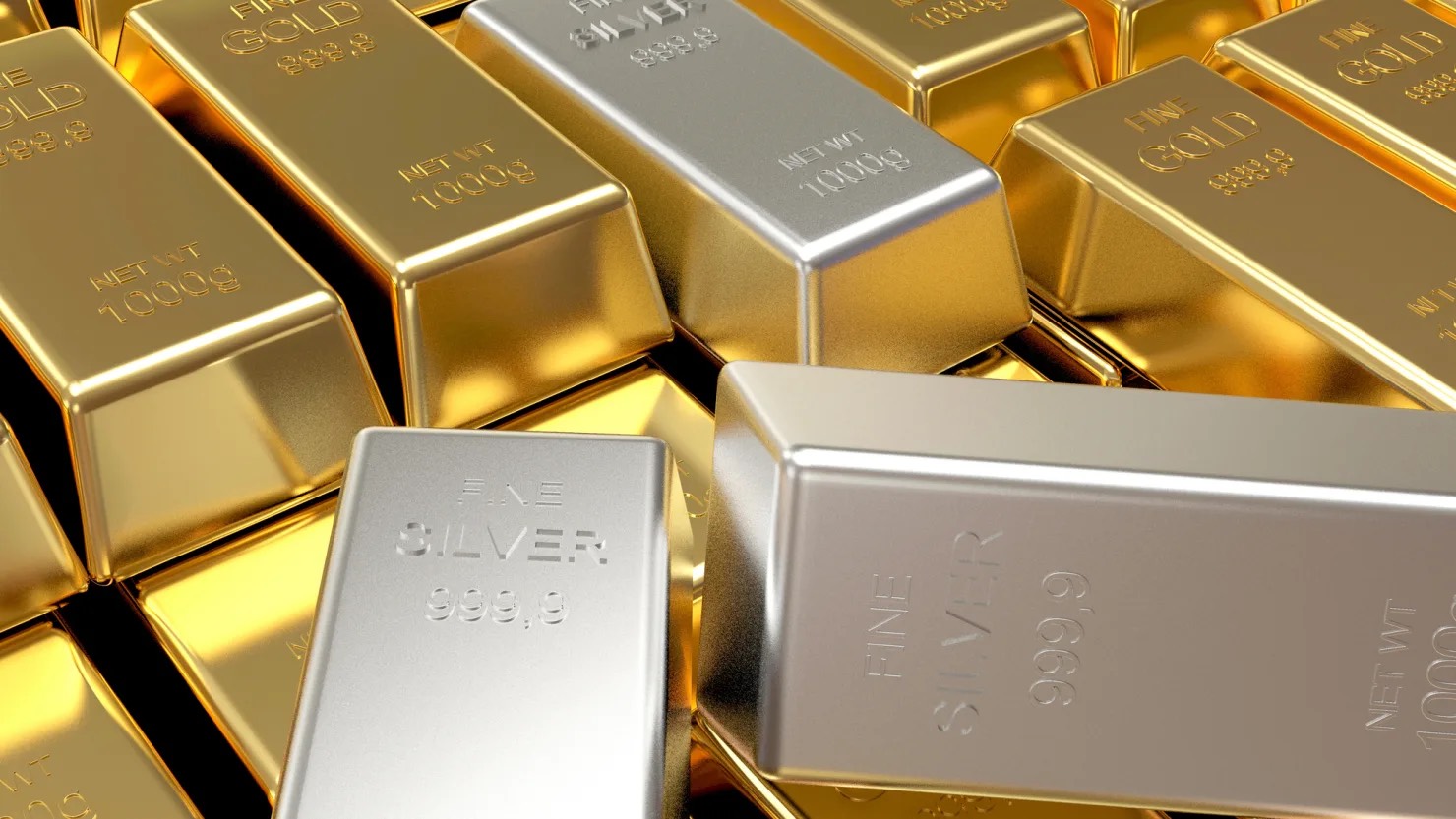
Silver suffered its worst day since 1980. Spot silver plunged around 28% to roughly $83 an ounce, while silver futures sank more than 31% to about $78.5. Gold also tumbled heavily, with spot prices falling around 9% and futures dropping over 11%, wiping out a large portion of the gains built up during 2025.
The initial sell-off was sparked by reports of Warsh’s nomination, which markets interpreted as a more hawkish and dollar-supportive signal compared with expectations of a dovish Fed leadership. As the dollar strengthened, precious metals—priced in dollars—became less attractive to global buyers. The decline then accelerated as leveraged traders rushed to unwind crowded positions, triggering margin calls and forced selling, particularly in silver.
Analysts described the move as a combination of narrative reversal and positioning risk. Precious metals had surged earlier in the year on fears of Fed politicization, dollar debasement, geopolitical conflict, and reserve diversification away from the greenback. With those fears partially reassessed, profit-taking turned into a cascade. Silver ETFs and mining stocks were hit hard, posting some of their worst sessions on record.
Despite the brutal correction, strategists cautioned against reading the move as a permanent shift. While the Warsh nomination reduced extreme downside risk for the dollar, several analysts emphasized that longer-term drivers for gold—such as geopolitical uncertainty, trade tensions, and emerging-market reserve diversification—remain intact. The episode instead highlighted a broader market lesson: even fundamentally strong assets can suffer violent sell-offs when positioning becomes overcrowded and narratives change suddenly.
