
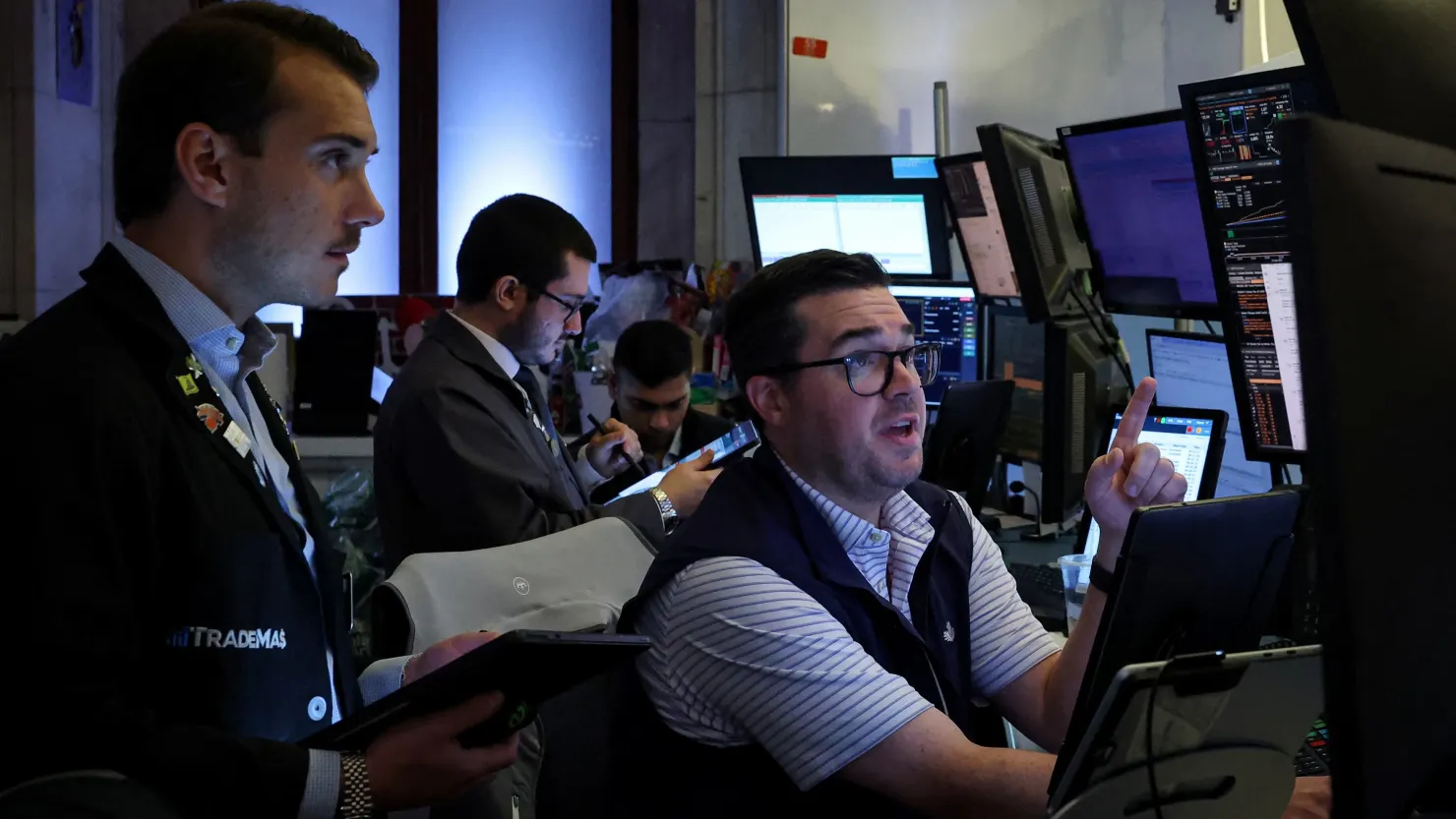
Is the ‘Everything Bubble’ popping? Nasdaq’s dramatic rebound hides a deeper crisis in the AI mega-trade.
NEW YORK (Market Insider) – The dizzying, multi-trillion-dollar artificial intelligence (AI) surge that has propelled global markets for the last 18 months just hit its first serious wall of worry, sending the Dow Jones Industrial Average tumbling by over 300 points and erasing nearly all of its recent gains. This pivot—coming just one day after the worst U.S. trading session in over a month—isn’t just a healthy pullback; it signals a fundamental crack in investor confidence driven by twin fears: dangerously elevated tech valuations, particularly in AI-dependent names like Oracle, and mounting unease that the Federal Reserve may not deliver the anticipated December rate cut. This high-stakes reckoning on Wall Street immediately reverberates across all risk assets, from Tokyo to Frankfurt, determining the fate of the global investment cycle.
The rapid succession of market shocks—an 800-point Dow drop followed by a tenuous Nasdaq bounce—stems directly from a market consensus that is rapidly unraveling. The Nasdaq Composite, despite ending its three-day rout with a modest 0.2% rise, is struggling to maintain a seven-week win streak as technology giants take massive hits. This vulnerability is highlighted by the recent wipeout in cloud stocks, which spooked investors concerned about massive surge in debt financing and soaring AI capital expenditure (capex) plans. As PNC Asset Management chief strategist Yung-Yu Ma notes, the AI trade is the market’s key underpinning, and this volatility marks a profound “reset of investor sentiment.”
Compounding the anxiety surrounding tech debt and sky-high valuations is the dramatic shift in interest rate expectations. Just a month ago, traders assigned a near-certain 95.5% probability to a December Fed rate cut; today, that likelihood has plummeted to barely above 51% according to the CME FedWatch Tool. This sharp repricing reflects the central bank’s growing concern over “sticky” inflation, injecting intense pressure onto global bond yields and raising the cost of capital for every leveraged growth company globally, effectively draining liquidity from the system.
The market’s struggle for direction is further muddied by domestic policy uncertainty. While the six-week-long U.S. government shutdown finally ended, its disruptive impact is far from over. The White House suggested that some crucial economic data, due for release during the impasse, may never see the light of day. This data vacuum creates an environment of operational risk for international analysts and investors, forcing them to make capital allocation decisions based on incomplete and potentially outdated economic indicators, thereby exacerbating the fear-driven volatility.
The market is obsessing over the Fed and valuations, but the real global risk isn’t a rate cut delay—it’s the realization that the AI capex boom has been financed by cheap debt and may not deliver proportionate returns in the short term. As the cost of servicing that debt rises, the true test of the ‘Magnificent Seven’ will be their ability to pivot from growth-at-any-cost to capital efficiency.
Savvy investors should stop watching the rate decision and start focusing on which mega-cap tech players possess the unshakeable pricing power to withstand an expensive, low-growth environment.
