
Treasury Secretary signals pragmatic stance amid escalating Iran war as oil prices spike to $102
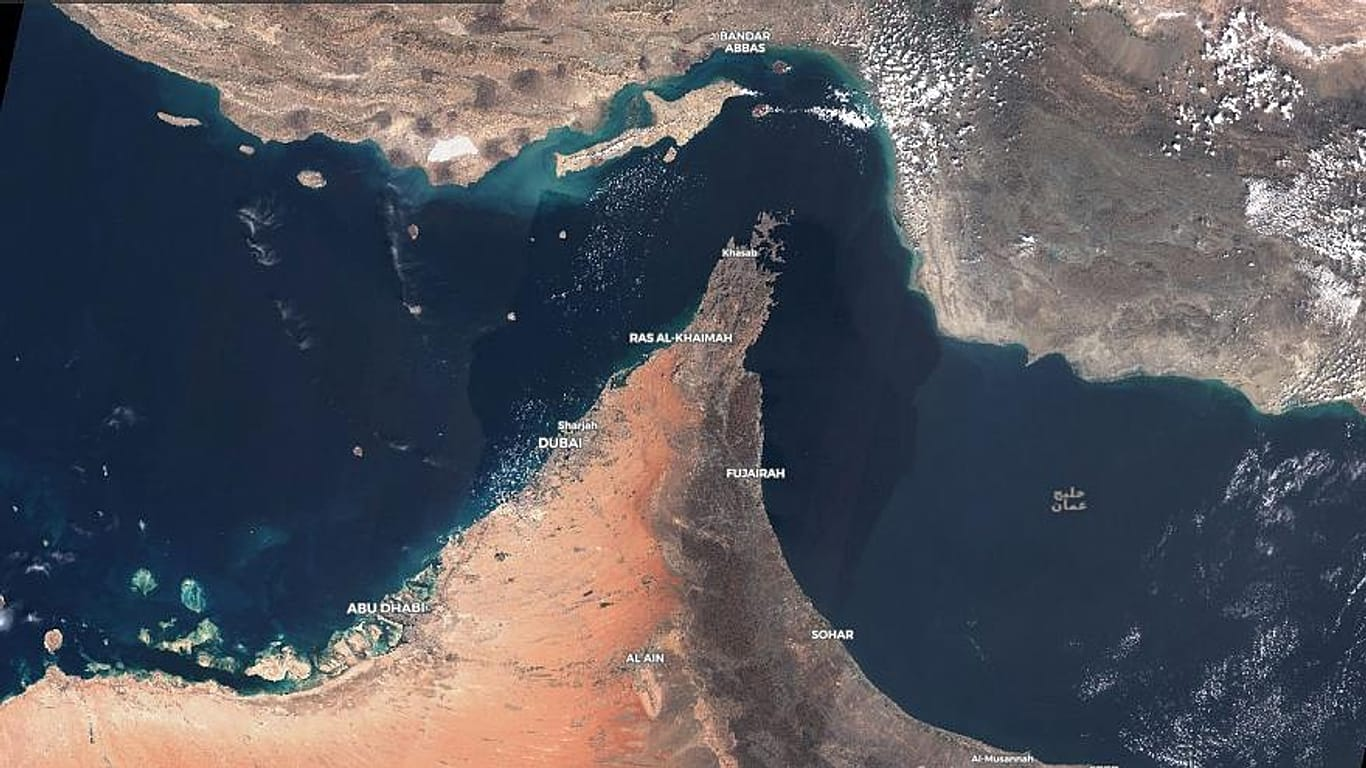
MARKET INSIDER – In a surprising twist amid the ongoing U.S.-Israel war with Iran, the Trump administration is deliberately permitting Iranian oil tankers to transit the Strait of Hormuz unimpeded—for now—prioritizing global energy supply stability over immediate enforcement of maximum pressure. Treasury Secretary Scott Bessent revealed in an exclusive interview with Market Insider (echoed in his Paris comments to CNBC) that the U.S. has let Iranian vessels pass to keep world markets supplied, even as Tehran exports roughly 1.5 million barrels per day through the chokepoint despite heavy U.S. Navy presence and recent Iranian attacks on commercial shipping.
The policy comes against the backdrop of the most severe oil supply shock in modern history. Following U.S. and Israeli strikes on Iran that began around late February 2026, tanker traffic through the Strait has collapsed, triggering a roughly 40% surge in oil prices according to the International Energy Agency. Brent crude hovered around $102 per barrel on Monday, with U.S. benchmarks near $95—levels that ripple through global inflation, fuel costs for consumers from Europe to Asia, and corporate margins worldwide. The Strait remains the artery for about 20% of global oil flows in normal times, making any sustained disruption a direct threat to economic stability in import-dependent economies like India, China, Japan, and Europe.
Bessent emphasized a transitional approach: the administration expects tanker volumes to rise further before U.S. Navy and allied forces begin escorting commercial ships, a move he described as imminent once militarily feasible—potentially with an international coalition. He noted that vessels bound for India have already transited successfully, and some Chinese-linked tankers are also getting through. “We think that there will be a natural opening that the Iranians are letting out, and for now we’re fine with that. We want the world to be well supplied,” Bessent said, while confirming President Trump is pressing reliant nations to contribute to tanker protection efforts.
The Treasury chief also dismissed speculation about U.S. intervention in oil futures markets, stating flatly, “We haven’t done that,” and questioning any legal authority for such action. Looking ahead, he projected a sharp post-war correction, with oil prices falling “much lower” than $80 per barrel once stability returns—though he offered no timeline for the conflict’s end, only that “the world will be safer and we will be better supplied.”
For investors and policymakers, this pragmatic carve-out on Iranian exports highlights the delicate balance between geopolitical confrontation and energy security realities. As the U.S. prepares to escalate naval involvement, the window for Iranian oil to reach markets may narrow quickly—potentially driving another volatility spike. Yet if escorts succeed in restoring flows, the post-conflict oil glut Bessent anticipates could deliver one of the sharpest corrections in decades. The question now gripping trading floors: will global energy markets pay a short-term premium for long-term stability, or has the administration just bought time before the real squeeze begins?
