
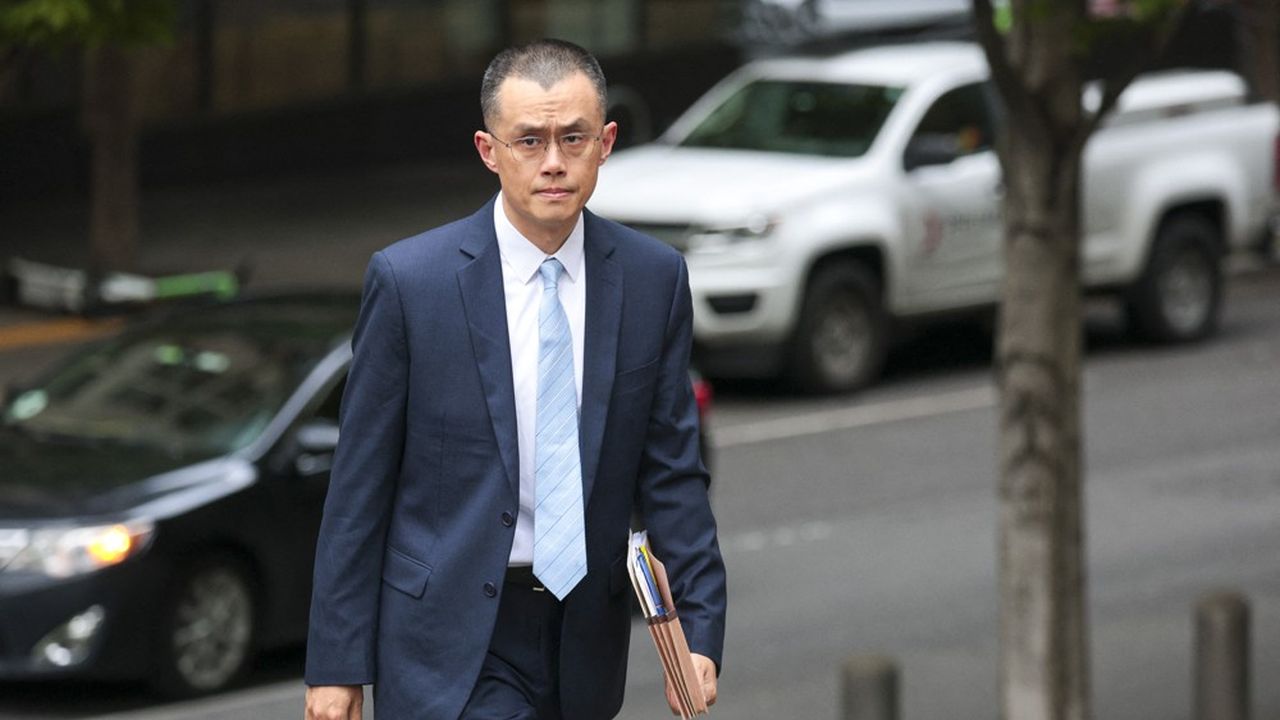
MARKET INSIDER – In a controversial move that has sent ripples through the global cryptocurrency market and political circles, the U.S President Donald Trump has issued a pardon to Changpeng Zhao (CZ), the billionaire co-founder and majority shareholder of Binance, the world’s largest cryptocurrency exchange by volume.
Zhao, who established Binance in 2017 and swiftly amassed his fortune, pleaded guilty in late 2023 to violating U.S. anti-money-laundering laws. He served a four-month prison sentence in 2024 before receiving the pardon.
The decision carries significant market implications, potentially facilitating Binance’s return to the United States. Binance agreed to suspend its U.S. operations around two years ago to resolve the Department of Justice’s criminal investigation into the firm.
Political Justification and Accusations of Overreach
The Trump White House defended the pardon by framing the case as an example of political overreach by the previous administration.4 White House press secretary Karoline Leavitt told reporters that the Biden administration had “overly prosecuted” the case, citing an “egregious over-sentencing” of Zhao and criticizing the prior administration for being “very hostile” to the cryptocurrency industry.
President Trump personally defended the decision, stating that he had heard from “a lot of people” who maintained Zhao was not guilty. The pardon, Leavitt added, was intended to “correct this overreach.”
For his part, Zhao issued a social media statement expressing that he was “deeply” grateful to Trump for “upholding America’s commitment to fairness, innovation, and justice.”
Lobbying and Financial Ties Under Scrutiny
However, the pardon is being scrutinized due to the close financial and lobbying ties between the exchange and the Trump family.
The Wall Street Journal reported that Binance spent nearly a year pursuing the pardon for Zhao. Critically, Binance has also been named as a “key supporter” of the Trump family’s crypto venture, World Liberty Financial.
The most forceful criticism came from the left, with Democrats quickly condemning the action. Senator Elizabeth Warren (D-MA), a high-profile member of the U.S. Senate’s finance committee, directly linked the pardon to alleged corruption.
“CZ pleaded guilty to a criminal money laundering charge and was sentenced to prison. But then he financed President Trump’s stablecoin and lobbied for a pardon. Today, he got it,” Warren wrote in a post on X, adding, “If Congress does not stop this kind of corruption, it owns it.”
The Broader Crypto-Political Shift
The pardon follows President Trump’s recent, sweeping shift in his stance on the cryptocurrency sector.11Reversing his past criticisms, Trump has become a vocal defender and promoter of the industry, easing the regulatory framework and attracting massive financial backing. The cryptocurrency industry has contributed over $100 million to his re-election campaign.
A recent Financial Times investigation highlighted the scale of the Trump family’s engagement in the sector, reporting that their various crypto businesses have netted a pre-tax profit of approximately $1 billion over the past 12 months.
Zhao’s pardon is the latest in a string of controversial clemency actions taken by the President, including a blanket pardon for individuals convicted of violence in the January 6, 2021 attack on the U.S. Capitol, and the commutation of sentence for disgraced former Republican lawmaker George Santos.
