
Leadership vacuum in Tehran deepens crisis; markets brace for wider fallout
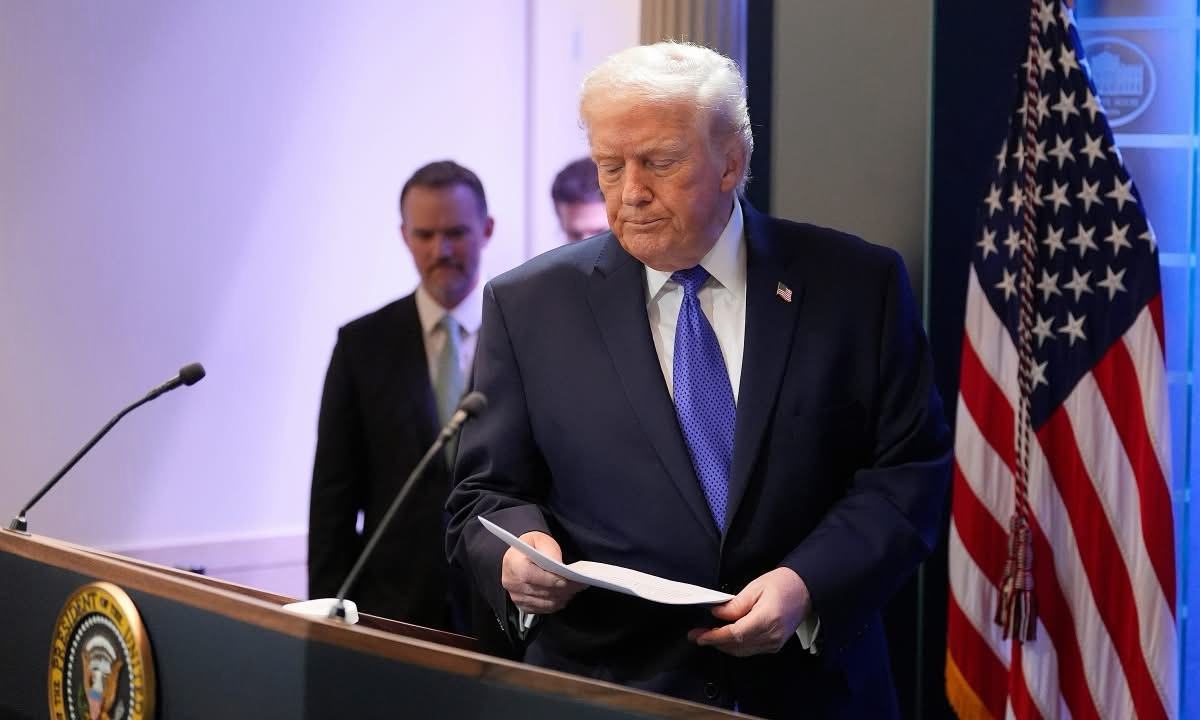
MARKET INSIDER – U.S. military operations in Iran are “ahead of schedule,” President Donald Trump told reporter, as the Middle East faces its most volatile moment in decades. The escalation follows coordinated U.S.-Israeli strikes that killed Supreme Leader Ali Khamenei, triggering sweeping retaliation across Israel and Gulf states hosting American military assets.
The developments mark one of the most consequential turning points for the Islamic Republic since the 1979 revolution. With Tehran launching missile and drone counterattacks and the U.S. confirming American casualties, the conflict has moved beyond deterrence into active regional confrontation.
U.S. Central Command confirmed that three American service members were killed and five wounded during operations. Iran’s response has included missile strikes targeting Israel and Gulf states, with explosions reported in multiple cities and infrastructure damage disrupting airports and regional airspace. Commercial carriers have suspended flights across key hubs, underscoring how quickly security risks are spilling into global logistics and energy corridors.
Beyond the battlefield, Tehran has initiated a formal succession process—only the second leadership transition since the founding of the Islamic Republic. While some citizens hope the change could open space for reform, analysts caution that succession does not necessarily equate to systemic transformation. Power may consolidate around security institutions rather than moderate political factions, potentially hardening Iran’s posture rather than softening it.
For global markets, the implications are immediate and profound. Oil supply routes through the Strait of Hormuz remain under heightened alert, raising the specter of sustained energy price spikes. Defense stocks have rallied, safe-haven flows into gold and U.S. Treasuries are accelerating, and volatility gauges are climbing. Policymakers in Europe and Asia are closely monitoring whether the conflict remains contained—or expands to involve additional regional actors.
The next critical variable is scope. If operations remain targeted and retaliation is limited, markets may stabilize. But if hostilities widen or oil infrastructure is directly impacted, the global economic consequences could extend far beyond the region.
As the power transition in Tehran unfolds, the strategic landscape of the Middle East is being reshaped in real time. Investors, diplomats, and governments are now confronting the same question: is this a contained confrontation—or the beginning of a new geopolitical era?
