
60-day waiver aims to stabilize fuel supply as Middle East conflict sends crude prices surging.
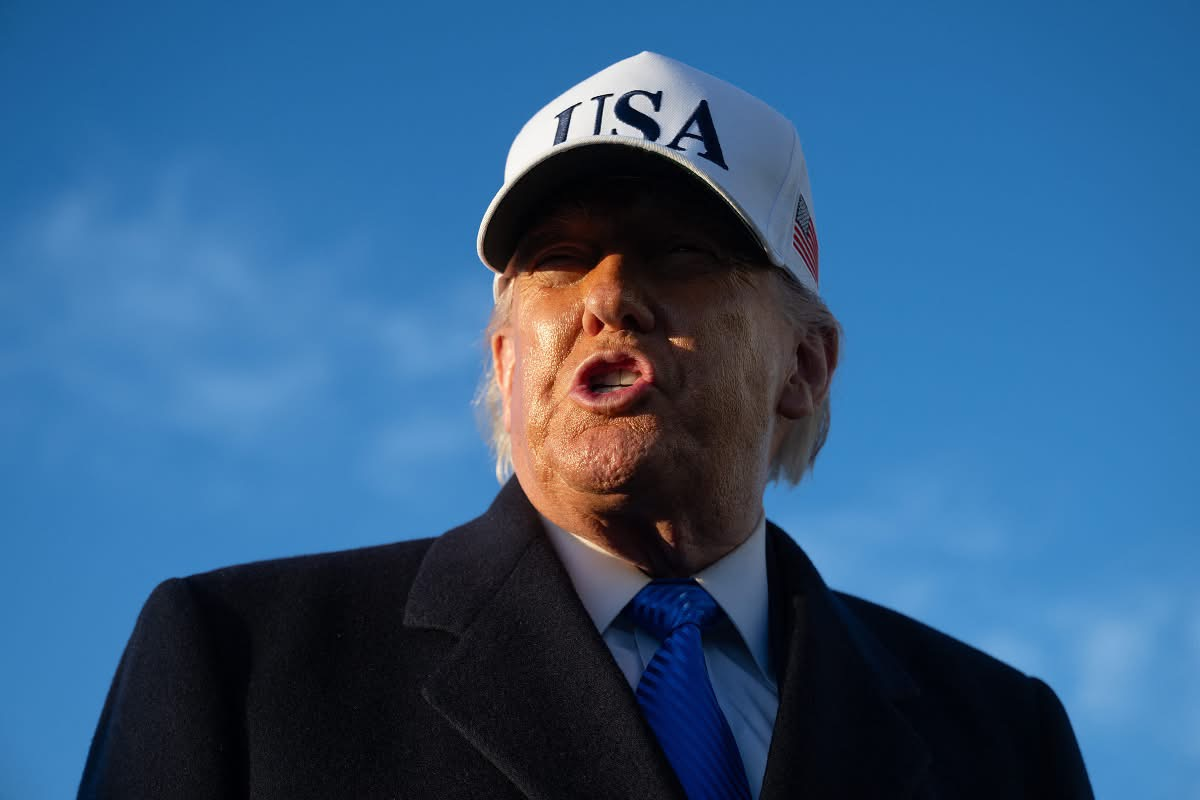
MARKET INSIDER – The White House has temporarily suspended a key U.S. shipping rule in an effort to calm volatile energy markets as the conflict involving Iran continues to disrupt global supply chains. Donald Trump approved a 60-day waiver of the Merchant Marine Act of 1920 (Jones Act), allowing foreign vessels to transport energy products between U.S. ports.
The move is designed to stabilize fuel availability at a time when global energy markets are under strain. According to the White House, suspending the law will allow commodities such as oil, natural gas, fertilizer, and coal to move more freely within the United States, easing logistical bottlenecks that could otherwise amplify price spikes.
Originally signed into law in 1920 by Woodrow Wilson, the Jones Act was intended to strengthen the U.S. maritime industry after World War I by requiring domestic cargo shipments to be carried on American-built, owned, and crewed ships. Critics have long argued the rule acts as a form of protectionism that raises shipping costs and restricts domestic trade.
The policy shift comes as energy markets react to escalating tensions in the Middle East, where attacks on energy infrastructure and the effective closure of the Strait of Hormuz have rattled global supply chains. Benchmark Brent crude surged above $109 per barrel, while U.S. crude prices approached $100, reflecting fears of prolonged supply disruptions.
Waiving the Jones Act could allow international tankers to help redistribute fuel along the U.S. coastline, a capacity that has historically been constrained by the limited number of compliant ships. Fewer than 100 vessels currently meet Jones Act requirements, meaning the suspension significantly expands the pool of ships able to move energy products domestically.
Still, economists caution that the measure may have limited impact on the broader energy balance. Daleep Singh notes that many U.S. refineries are configured to process heavier crude oil imported from the Middle East, while the United States primarily produces lighter shale oil. That structural mismatch means logistical flexibility alone cannot fully offset supply disruptions.
The decision also reflects growing geopolitical tension around energy security. The U.S. administration has expressed frustration over allies’ reluctance to join efforts protecting tanker traffic through the Gulf, even as Washington insists it can secure the region’s shipping lanes independently.
For global energy markets, the temporary waiver highlights how rapidly geopolitical crises can reshape economic policy. When supply routes are threatened and oil prices spike, governments often turn to emergency measures—reminding investors that in energy markets, logistics and geopolitics can be just as powerful as supply and demand.
