
Energy ties with Moscow put New Delhi at the center of Washington’s trade offensive
MARKET INSIDER – U.S President Donald Trump has issued a fresh warning to India, signaling that the United States is prepared to escalate tariffs if New Delhi fails to curb its purchases of Russian oil. The remarks inject new uncertainty into US–India trade relations and highlight how energy geopolitics is increasingly being weaponized in global commerce.
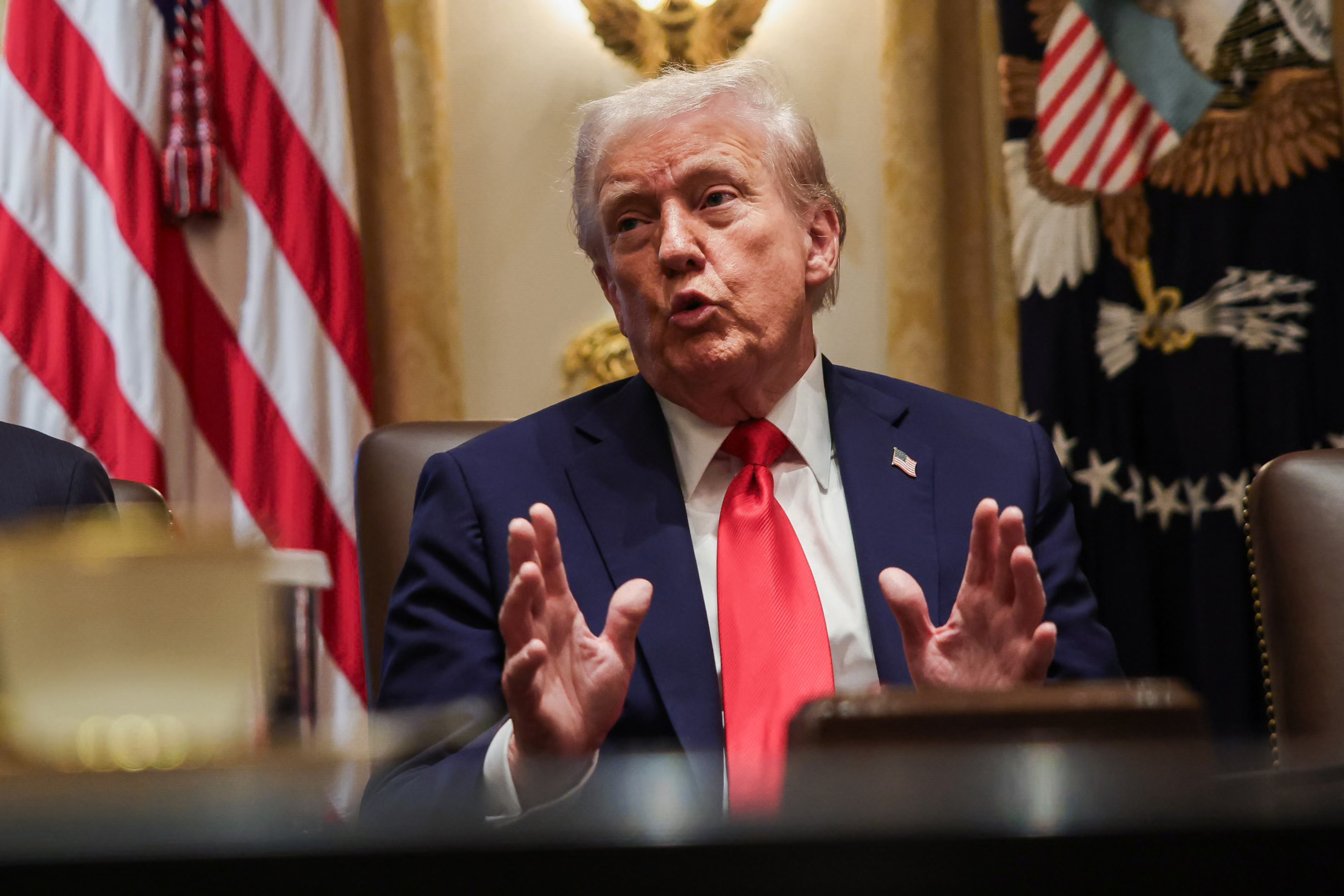
Speaking to reporters aboard Air Force One on Sunday, Trump said tariffs on India could be raised “very quickly” if Washington’s demands are not met. While striking a personal tone—calling Indian Prime Minister Narendra Modi “a good man”—Trump made clear that patience is wearing thin. “He knows I’m not happy,” the president said, linking his frustration directly to India’s continued energy trade with Russia.
The comments come after months of stalled negotiations and follow Washington’s decision last year to double import tariffs on Indian goods to 50%, partly in response to India’s purchases of discounted Russian crude. According to trade analysts, roughly half of that tariff burden is now explicitly tied to India’s energy relationship with Moscow, placing New Delhi in what some describe as a strategic gray zone—caught between economic pragmatism and geopolitical pressure.
Trump’s allies are pushing even harder. Republican Senator Lindsey Graham, a close confidant of the president, has openly advocated for tariffs of up to 500% on countries that continue to buy Russian oil. Graham argues that US sanctions and punitive tariffs have already forced India to sharply reduce imports, framing Trump’s hardline approach as effective leverage rather than brinkmanship.
From India’s perspective, the picture is more complex. Ajay Srivastava of the Global Trade Research Initiative notes that while Indian refineries have cut back on Russian crude, imports have not stopped entirely. “Ambiguity is no longer effective,” he said, warning that even a full halt may not end US pressure. Despite the tariff drag, Indian exports to the US briefly surged in November, though overall shipments fell more than 20% between May and November 2025—underscoring the volatility facing exporters.
New Delhi has moved to signal transparency, instructing refiners to publish weekly data on Russian and US oil purchases as talks continue. Modi has spoken with Trump at least three times since the tariffs were imposed, and India’s commerce minister met US trade officials last month, but no deal has been finalized.
For global markets, the standoff is a reminder that trade policy is no longer just about deficits or market access—it is a tool of geopolitical alignment. If Washington follows through on its threats, India could face a defining choice between energy security and trade access. Either way, Trump’s warning suggests that in 2026, neutrality in global energy politics may no longer be an option.
