
U.S. urges allies to deploy warships as tensions threaten the world’s most critical oil chokepoint
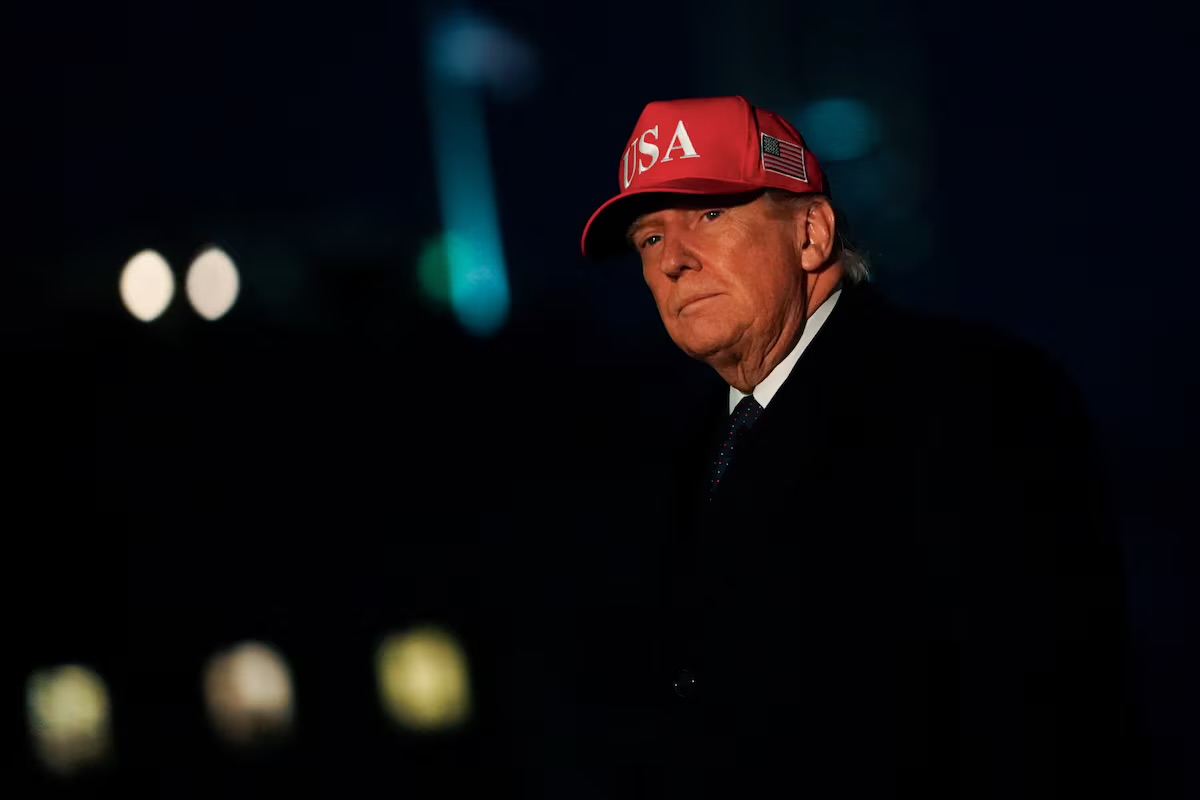
MARKET INSIDER – U.S President Donald Trump has called on major global powers to join a multinational naval effort to secure the Strait of Hormuz, warning that Iran’s attempts to disrupt the waterway could destabilize global energy markets and international trade.
The appeal comes as tensions escalate following U.S. and Israeli military strikes against Iran and Tehran’s reported attempts to threaten shipping through the narrow passage linking the Persian Gulf with the Arabian Sea. Roughly one-fifth of the world’s oil supply moves through the strait, making it one of the most strategically vital shipping lanes on the planet.
In a public statement, Trump said the United States has already inflicted devastating damage on Iran’s military capabilities but warned that smaller asymmetric threats—such as naval mines, drones, or short-range missile strikes—could still disrupt shipping. Even limited attacks, he argued, could endanger tanker traffic or temporarily shut the corridor, sending shockwaves through global energy markets.
Trump urged countries heavily dependent on Gulf energy flows—including China, Japan, South Korea, France, and the United Kingdom—to deploy naval forces alongside the United States to guarantee freedom of navigation. The proposal echoes previous multinational maritime security initiatives created to protect shipping in the Gulf during earlier periods of regional tension.
Energy markets are closely watching developments. Any sustained disruption in the strait could remove millions of barrels per day from global supply, potentially driving oil prices sharply higher and complicating inflation control for central banks worldwide. Shipping insurers have already raised risk premiums for vessels transiting the region, and several tanker operators are reportedly reconsidering routes.
The U.S. Navy has historically maintained a strong presence in the Gulf, but a broad coalition patrol would represent a significant escalation in international involvement. Analysts say such a force could deter attacks by providing convoy escorts and mine-clearing capabilities, though the risk of further military confrontation would remain.
The broader strategic question now facing governments and markets is whether the Strait of Hormuz becomes the next major flashpoint in the conflict—or whether a multinational naval presence can stabilize one of the world’s most important energy lifelines before disruptions spiral into a full-scale supply shock.
