
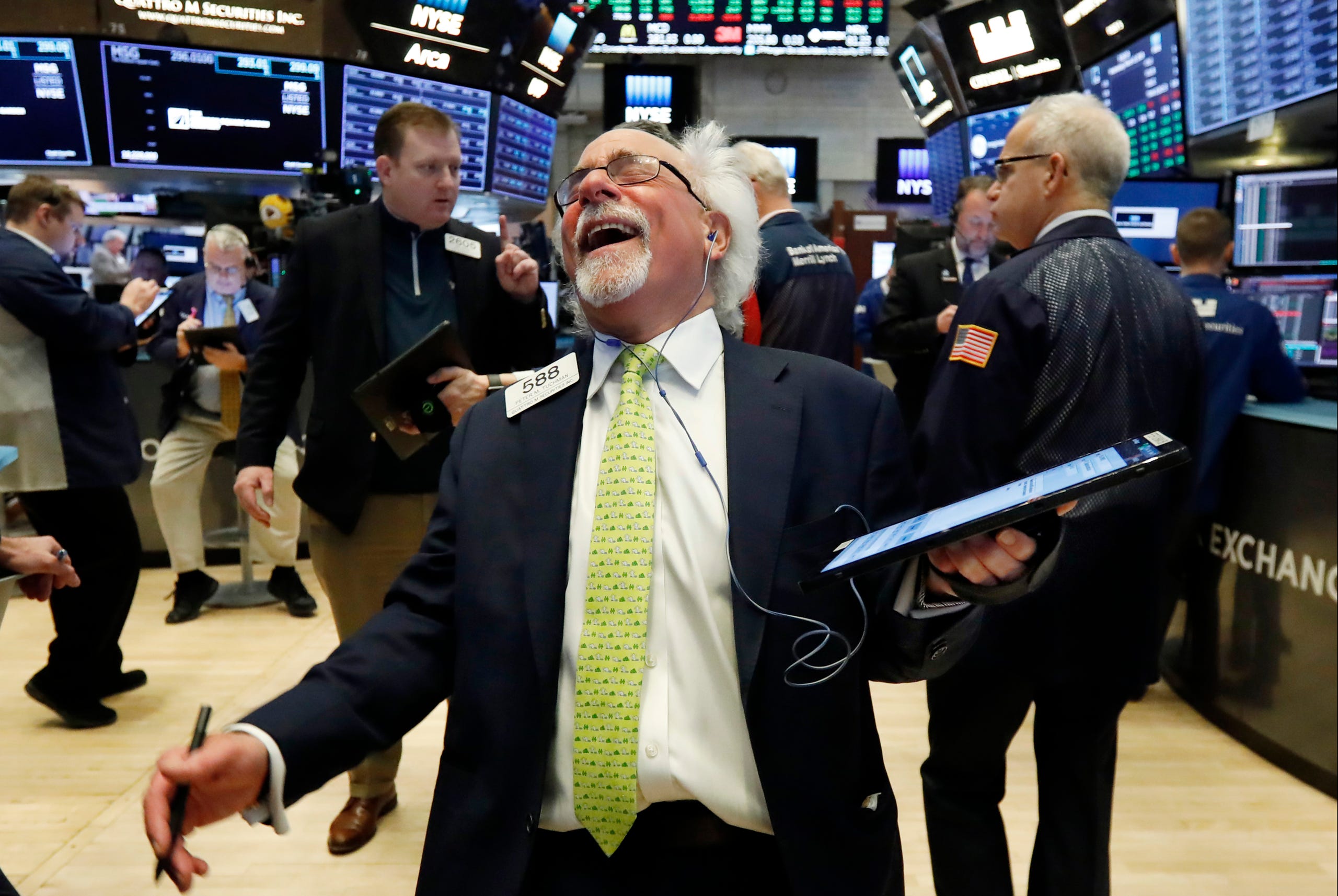
Markets stabilize after 800-point rout, but AI and tariff risks linger
MARKET INSIDER – Wall Street clawed back ground Tuesday after Monday’s sharp selloff, with chipmaker Advanced Micro Devices surging on a landmark artificial intelligence deal that helped steady tech sentiment. The rebound offered relief—but not resolution—as investors grapple with rising economic tail risks, tariff uncertainty, and mounting questions about AI’s impact on growth and jobs.
The S&P 500 opened little changed, the Nasdaq Composite hovered near flatline, and the Dow Jones Industrial Average edged higher, reflecting a cautious reset rather than a decisive shift in momentum.
The catalyst came from AMD’s multiyear agreement with Meta Platforms to supply up to 6 gigawatts of GPUs for AI data centers. The scale underscores how hyperscalers are accelerating capital expenditure to compete in the AI arms race. Meta has already signaled up to $135 billion in capex this year, positioning infrastructure spending as the next battleground among global tech giants. AMD shares jumped roughly 11% premarket, reigniting optimism across semiconductors and beaten-down software names.
Yet beneath the surface, macro anxieties persist. Apollo chief economist Torsten Slok raised economic “tail risks” to 30%, up from 10%, warning that geopolitics, government debt, or abrupt interest-rate swings could trigger a sharp sentiment shift. At the Federal Reserve, Governor Lisa Cook cautioned that AI-driven productivity gains may paradoxically lift unemployment—an outcome monetary policy may struggle to offset without stoking inflation. Chicago Fed President Austan Goolsbee reinforced the message, signaling no urgency to cut rates while inflation remains elevated.
Trade policy added another twist. While President Donald Trump had pledged to raise global tariffs to 15%, new duties took effect at 10% under temporary Section 122 measures, easing immediate cost pressures but prolonging uncertainty for global supply chains. European equities slipped as investors assessed the shifting landscape, highlighting how tariff recalibration remains a live risk for multinational earnings.
The broader narrative is one of divergence. AI infrastructure winners such as AMD are benefiting from unprecedented spending commitments, while segments of software and private credit continue to feel pressure from valuation resets and structural disruption fears. Investors are increasingly asking whether AI will sustain corporate profit growth—or merely redistribute it.
For global markets, Tuesday’s bounce signals resilience, not clarity. If AI investment continues to accelerate without triggering labor dislocation or rate shocks, equities may regain their footing. But with tail risks climbing and policy volatility embedded in the outlook, the next phase of the market will likely hinge less on headlines—and more on whether AI’s promised productivity boom materializes in hard economic data.
