
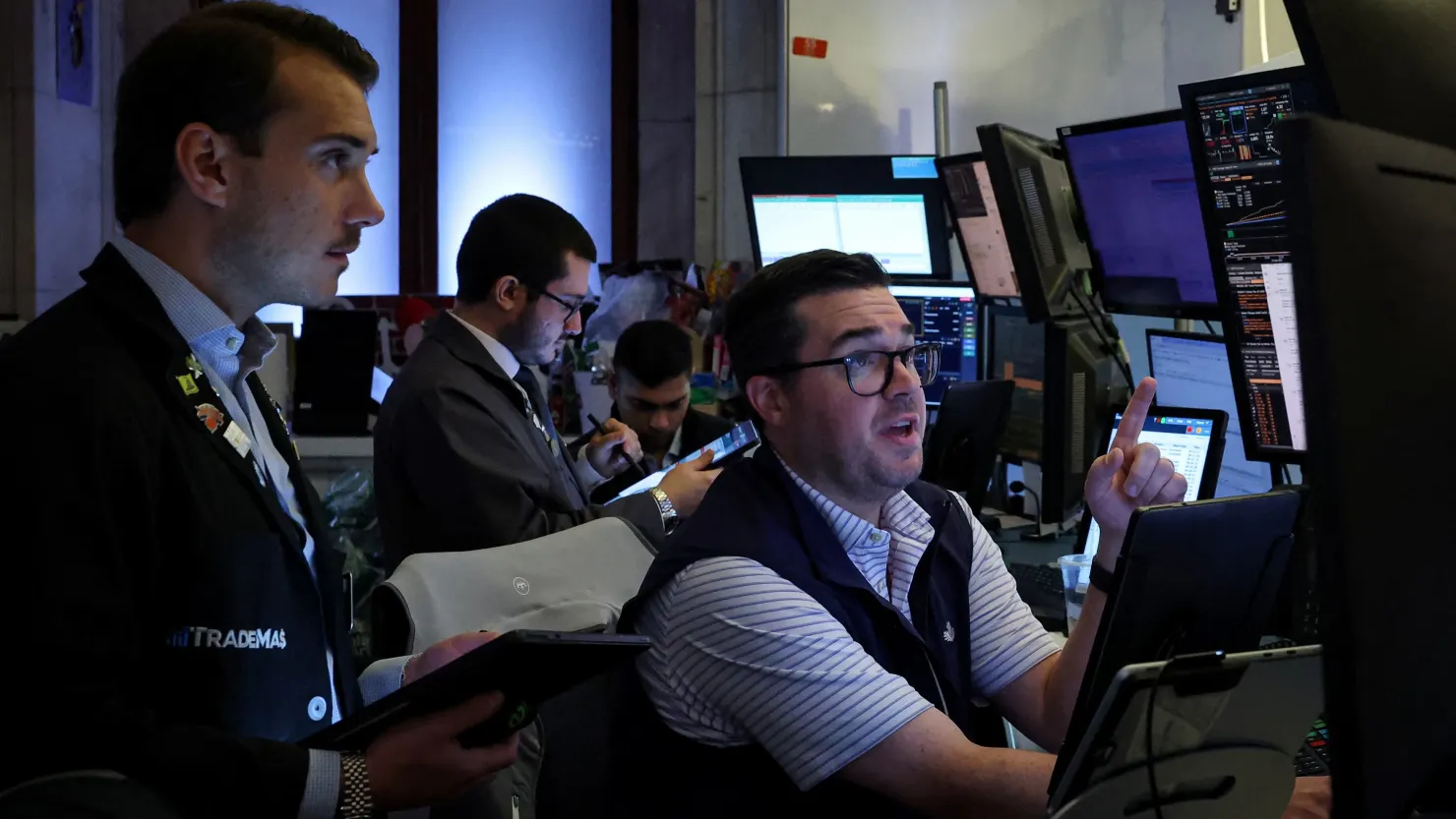
Equities extend their winning streak as markets bet heavily on a December rate cut, with Boeing’s surge and mega-cap strength powering Tuesday’s gains.
MARKET INSIDER – U.S. stocks climbed on Tuesday, marking their sixth gain in seven sessions, as easing bond yields and a rebound in bitcoin helped restore risk appetite ahead of next week’s pivotal Federal Reserve meeting. The S&P 500 rose 0.25%, the Dow added 0.39%, and the Nasdaq gained 0.59%, reversing Monday’s pullback driven by soft manufacturing data and a spike in global yields.
With little economic data on deck, investor focus shifted firmly back to the Fed. Rate-cut expectations have surged: markets now assign an 89% probability to a 25-basis-point cut next week, up from 63% just a month ago, according to CME’s FedWatch tool. Several recent Fed speeches have fueled hopes that policymakers are prepared to ease despite lingering inflation concerns. Friday’s Personal Consumption Expenditures Index—Powell’s preferred inflation gauge—could seal expectations.
The day’s biggest catalyst came from Boeing. The planemaker jumped 10.1%, its strongest move in months, after forecasting higher deliveries for its 737 and 787 jets in 2026. The rally contributed roughly 117 points to the Dow’s gain and lifted the S&P 500 industrials sector nearly 0.9%, making it the top-performing group. Tech stocks also strengthened, with Apple, Nvidia and Microsoft all up about 1%, while Intel led chipmakers higher.
Crypto-exposed names rebounded in tandem with bitcoin’s recovery from its largest single-day dollar loss since 2021. MicroStrategy gained 5.8% and Coinbase rose 1.3%, helping offset broader weakness from Monday’s crypto rout.
Still, the mood wasn’t uniformly upbeat. Procter & Gamble fell 1.1% after warning it could take a hit from the U.S. government shutdown, while Warner Bros Discovery climbed 2.8% on reports of new takeover interest, including a second-round bid from Netflix.
Market breadth was mixed: NYSE advancers narrowly topped decliners, while the Nasdaq saw more stocks fall than rise. Trading activity remained muted at 15.35 billion shares, below the recent 20-day average.
As investors await the Fed’s decision—and clarity on who will replace Jerome Powell next year, with Kevin Hassett emerging as a leading candidate—the market’s near-term trajectory hinges on whether policymakers confirm what traders have already priced in: the start of a rate-cut cycle.
