
Diplomacy resumes in Geneva while Washington ramps up rare dual-carrier pressure
MARKET INSIDER – The United States and Iran have opened indirect nuclear talks in Geneva under the shadow of one of the largest U.S. military deployments in the Middle East in decades. As negotiators met at the Omani Embassy, two American aircraft carriers operated in the region—an unmistakable signal that diplomacy is being backed by hard power.
The high-stakes dialogue, mediated by Oman, comes after President Donald Trump publicly warned Tehran that time for a deal is limited. While Washington says it prefers a diplomatic resolution, it has simultaneously increased naval assets near Iran, raising the geopolitical temperature in an already fragile region central to global energy flows.
The talks began February 26 in Geneva, with Oman’s Foreign Minister Badr Albusaidi describing an “unprecedented level of openness” from both sides. Iranian officials stated discussions would focus exclusively on nuclear issues and sanctions relief, while Washington is reportedly pressing for broader constraints, including limits on Iran’s missile program and regional proxy activity. Rafael Grossi, head of the International Atomic Energy Agency, is expected to play a role in the discussions.
Ahead of negotiations, Iranian President Masoud Pezeshkian reiterated that Tehran does not seek nuclear weapons, aligning with longstanding public statements from Iran’s leadership. However, deep mistrust persists following years of sanctions, regional flashpoints, and previous breakdowns in nuclear diplomacy.
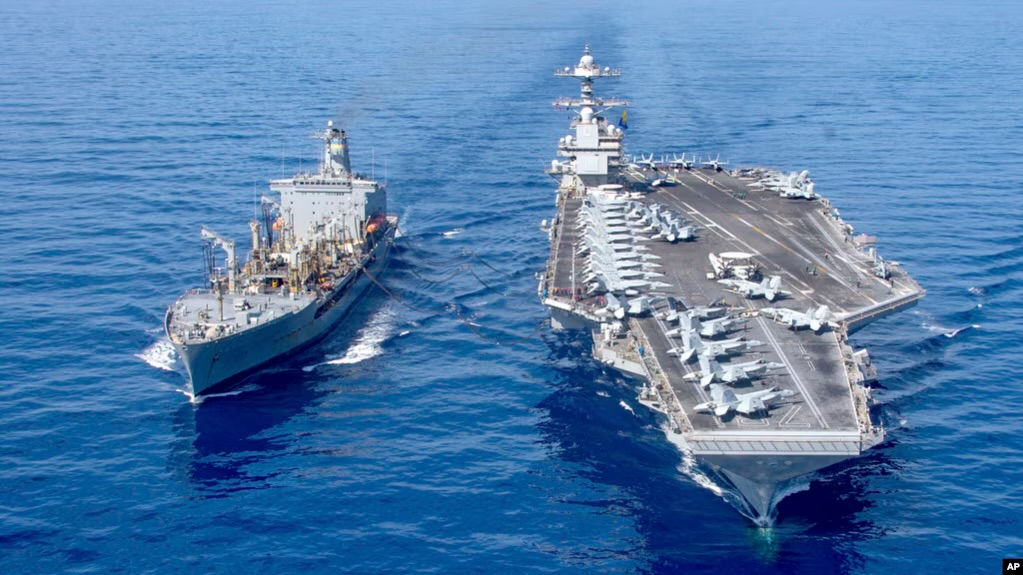
Meanwhile, the U.S. Navy’s USS Gerald R. Ford departed Souda Bay in Crete after a brief stop, joining the USS Abraham Lincoln and a broader strike group presence that includes destroyers and other combat ships. Deploying two carrier strike groups simultaneously to the Middle East is a rare maneuver, signaling Washington’s intent to maintain strategic leverage during negotiations.
For global markets, the implications extend far beyond diplomacy. The Middle East remains pivotal to global oil supply routes and shipping corridors. Any escalation—or breakthrough—could ripple through energy prices, defense spending, and currency markets. The return to talks offers a narrow window to reduce volatility, but the parallel military buildup underscores how fragile that window remains.
The next phase will test whether deterrence and dialogue can coexist without tipping into confrontation. Investors, policymakers, and energy markets alike will be watching not just the words emerging from Geneva—but the movements of warships in the Mediterranean.
