
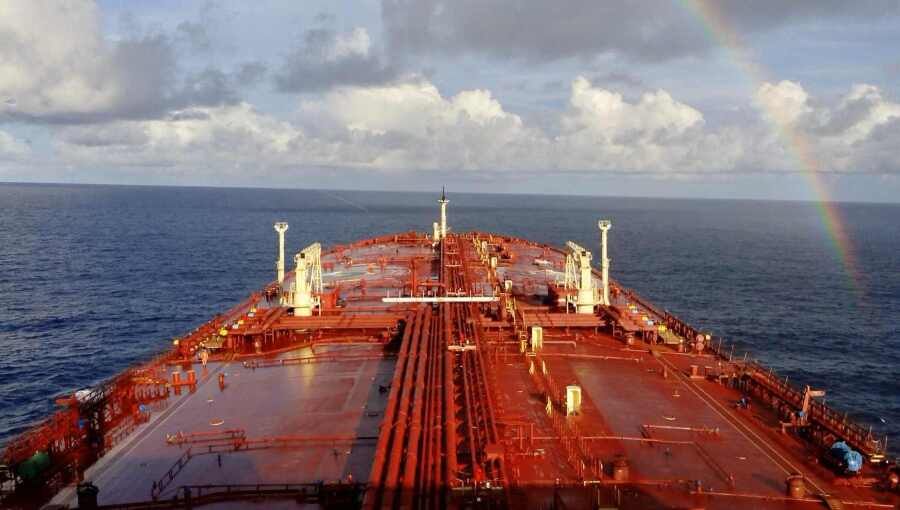
First tranche of crude sold under Washington’s control as markets, capitals and oil giants recalibrate after Venezuela upheaval
MARKET INSIDER – In a move with profound geopolitical and market implications, the United States has completed the first sale of Venezuelan crude oil valued at approximately $500 million, marking the first tangible milestone in Washington’s controversial energy strategy following the ouster of President Nicolás Maduro. The sale, part of a broader $2 billion Venezuelan oil agreement brokered earlier this month, opens a new front in global oil supply chains and underscores U.S. ambitions to reshape Venezuelan energy resources and influence hemispheric politics.
Proceeds from this initial sale, currently held under U.S. government-controlled accounts — including a neutral account in Qatar — signal a rare case where state power directly monetizes another sovereign’s primary export commodity amid political turmoil. More cargo sales are expected in the coming days and weeks as global trading houses and multinational refiners jockey for access to Venezuelan crude.
The strategic realignment of Venezuela’s oil trade has immediate implications for energy markets. With Venezuela sitting on some of the world’s largest proven oil reserves, any resumption of exports under U.S. oversight could influence global crude supply dynamics, pricing benchmarks such as Brent and WTI, and the strategies of national oil companies from the Middle East to Asia. Before U.S. involvement, Venezuelan crude shipments were largely bound for China and India at steep discounts; now European and U.S. trading houses like Vitol and Trafigura are moving quickly to secure cargos for shipment as early as March.
For U.S. energy majors, the re-entry calculus into Venezuela remains fraught. Despite encouragement from the White House to invest billions to rehabilitate dilapidated oil infrastructure, executives like ExxonMobil CEO Darren Woods have publicly described the Venezuelan investment landscape as “uninvestable” without substantial legal reforms and guarantees — a sentiment that has even prompted President Trump to signal a possible exclusion of Exxon from future opportunities.
Internationally, this maneuver could reverberate through OPEC dynamics and geopolitical alignments. U.S. control — even temporary — over Venezuelan crude challenges the organisation’s production equilibrium and may strain relationships with traditional partners such as Iraq, Nigeria, and Angola. Meanwhile, major consumers in Asia, particularly China and India, may reassess long-term energy ties amid shifting access routes and pricing advantages.
Looking ahead, the unfolding U.S.–Venezuela oil arrangement could catalyze broader debates on resource sovereignty, the role of military force in economic strategy, and how global energy markets reconcile geopolitical shifts with market stability. For investors, energy strategists, and policy makers, tracking subsequent sales, license expansions for companies like Chevron, and evolving OPEC responses will be critical indicators of how this unprecedented chapter in Venezuelan petroleum history reshapes the global energy order.
