
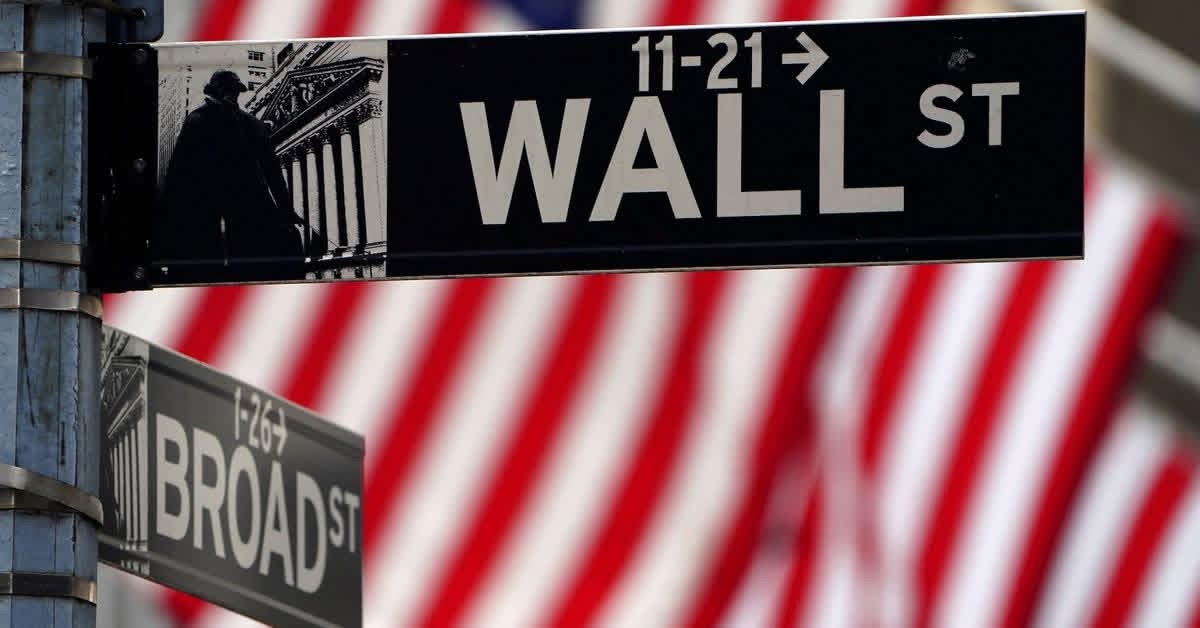
Technology leads Wall Street higher, but the recovery depends on whether energy relief and earnings can offset tighter policy.
MARKET INSIDER — U.S. stocks rebounded Thursday as lower oil prices and Treasury yields eased pressure on equity valuations following the Federal Reserve’s first interest-rate increase in three years. Technology shares led the recovery, with the Nasdaq Composite rising 1.6% during trading, while the S&P 500 gained 1.1% and the Dow Jones Industrial Average added 358 points, or 0.7%.
The advance reflected relief on two fronts: the 10-year Treasury yield slipped below 5%, and reports of additional Saudi crude supplies for Asian refiners helped oil prices retreat. However, the rebound did not remove the risk of further monetary tightening or prolonged Middle East supply disruptions.
Key Highlights
- The Nasdaq gained 1.6% and the S&P 500 rose 1.1% as technology stocks helped reverse part of Wednesday’s selloff.
- The 10-year Treasury yield fell to approximately 4.945%, while Brent traded near $103 a barrel.
- The Fed raised its target range to 3.75%–4%, with policymakers indicating another increase could follow this year.
Technology leads the recovery
Nvidia and Amazon rose approximately 2% each, while Microsoft gained 1%. Semiconductor shares also strengthened, with Qualcomm advancing 2% and Intel jumping 9%.
The buying extended beyond technology. Caterpillar gained more than 2%, providing support from the industrial sector.
The recovery followed a difficult Wednesday session in which the Dow lost more than 630 points, or 1.2%, and both the S&P 500 and Nasdaq finished lower.
Thursday’s gains suggest investors remained willing to buy equities when pressure from bonds and energy eased. They do not, by themselves, establish that the market has completed its correction.
Individual companies may also have separate catalysts. Intel’s outsized move, for example, should not be attributed entirely to falling yields without examining company-specific developments.
All market changes reflect the supplied Thursday intraday snapshot, not closing prices.
Why stocks can rise after a rate increase
The Fed raised its federal-funds target range by 25 basis points to 3.75%–4% on Wednesday. The increase tightened short-term monetary policy, but equity markets also respond to longer-term borrowing costs and expectations for future growth. Federal Reserve statement
The benchmark 10-year Treasury yield fell more than five basis points Thursday to approximately 4.945%, reversing its move above 5% after the decision.
That decline matters because investors use longer-term yields when valuing future corporate cash flows. Lower yields can support share prices even when the Fed has just raised its overnight rate.
Technology companies are particularly sensitive to this relationship because a substantial portion of their valuations can depend on profits expected years ahead.
Nevertheless, the retreat below 5% is not a mechanical buy signal. Borrowing costs remain elevated, and a one-day decline does not establish a lasting reversal in financial conditions.
The reason yields fall also matters. Relief over inflation would generally be more favorable for equities than a decline driven by deteriorating growth expectations.
Saudi supply arrangements ease oil concerns
Oil provided a second source of support.
U.S. crude traded approximately 1% lower around $100 a barrel, while Brent fell about 2% toward $103. Reports that Saudi Arabia was making additional cargoes available to Asian refiners through ship-to-ship transfers near Oman’s Sohar port helped ease supply concerns. Reuters oil-market report
For equities, cheaper oil can reduce transportation and production expenses while leaving households with more money for other purchases. Sustained declines could also lessen the risk that energy inflation spreads into broader prices.
But alternative loading arrangements are not equivalent to a complete restoration of normal exports. Their effectiveness depends on available vessels, cargo volumes, transit security and reliability.
Oil near $100 remains expensive for many consumers and businesses. Thursday’s retreat reduced immediate pressure without demonstrating that the underlying supply problem had been resolved.
The Fed’s next move remains uncertain
Policymakers signaled that another rate increase could be necessary this year, while Chair Kevin Warsh said inflation remained too high.
That leaves investors assessing whether September’s move will be followed by limited additional tightening or a more persistent series of increases.
Lower oil prices could improve the outlook if the decline lasts. However, a brief retreat would not necessarily change the Fed’s assessment of underlying inflation.
The crucial distinction is between energy prices temporarily falling and broader price pressures returning sustainably toward target. Policymakers will need evidence from subsequent inflation, employment and spending reports before deciding how much further to tighten.
For markets, the risk is that earnings expectations weaken while borrowing costs remain high. Conversely, resilient profits and stabilizing inflation would make a measured tightening cycle easier to absorb.
UBS sees room for gains, with conditions
UBS Global Wealth Management maintained a constructive equity outlook despite the policy shift.
Chief investment officer Mark Haefele said the firm remained positioned for further gains while preparing for short-term volatility, according to the supplied CNBC report.
His argument rests on three conditions: measured tightening, stable credit spreads and continued profit growth. UBS also favors diversification rather than excessive dependence on rate-sensitive assets or a single investment theme.
Those conditions offer a useful way to assess Thursday’s rebound.
Stable credit spreads—the additional yield corporate borrowers pay over government bonds—would suggest investors are not pricing a sharp deterioration in corporate creditworthiness. Continued earnings growth could help offset the pressure higher rates place on valuations.
A stronger recovery would therefore involve more than gains in a handful of large technology stocks. Broader participation and resilient company guidance would provide better evidence of durability.
What the rebound means for Asia
If sustained, lower oil prices and U.S. yields would offer relief to energy-importing Asian economies.
Cheaper crude can reduce import bills and ease cost pressure on airlines, transport operators and manufacturers. Lower Treasury yields may also reduce some of the external funding pressure facing emerging-market borrowers.
Asian semiconductor and electronics companies could benefit from renewed confidence in U.S. technology spending. However, a rebound in American chip shares does not automatically translate into stronger orders or earnings for every regional supplier.
For Vietnam, the potential benefit is similarly conditional: sustained energy-price relief could help businesses manage costs, while less restrictive global financing conditions could support sentiment. Domestic earnings, credit conditions and exchange-rate movements would still determine the local market’s response.
What investors should watch next
The first test is whether Treasury yields remain below 5% after the initial post-Fed adjustment.
The second is physical oil supply. Additional Saudi cargoes and reliable deliveries would provide stronger evidence of relief than announcements alone.
The third is earnings and market breadth. Continued gains across industrials and other sectors would make the recovery less dependent on mega-cap technology shares.
Thursday’s rebound shows that a Fed increase does not automatically prevent stocks from advancing. It does not yet prove the selloff is over. A durable recovery requires the improvement in oil and bonds to persist—and corporate profits to withstand the higher cost of money.
