
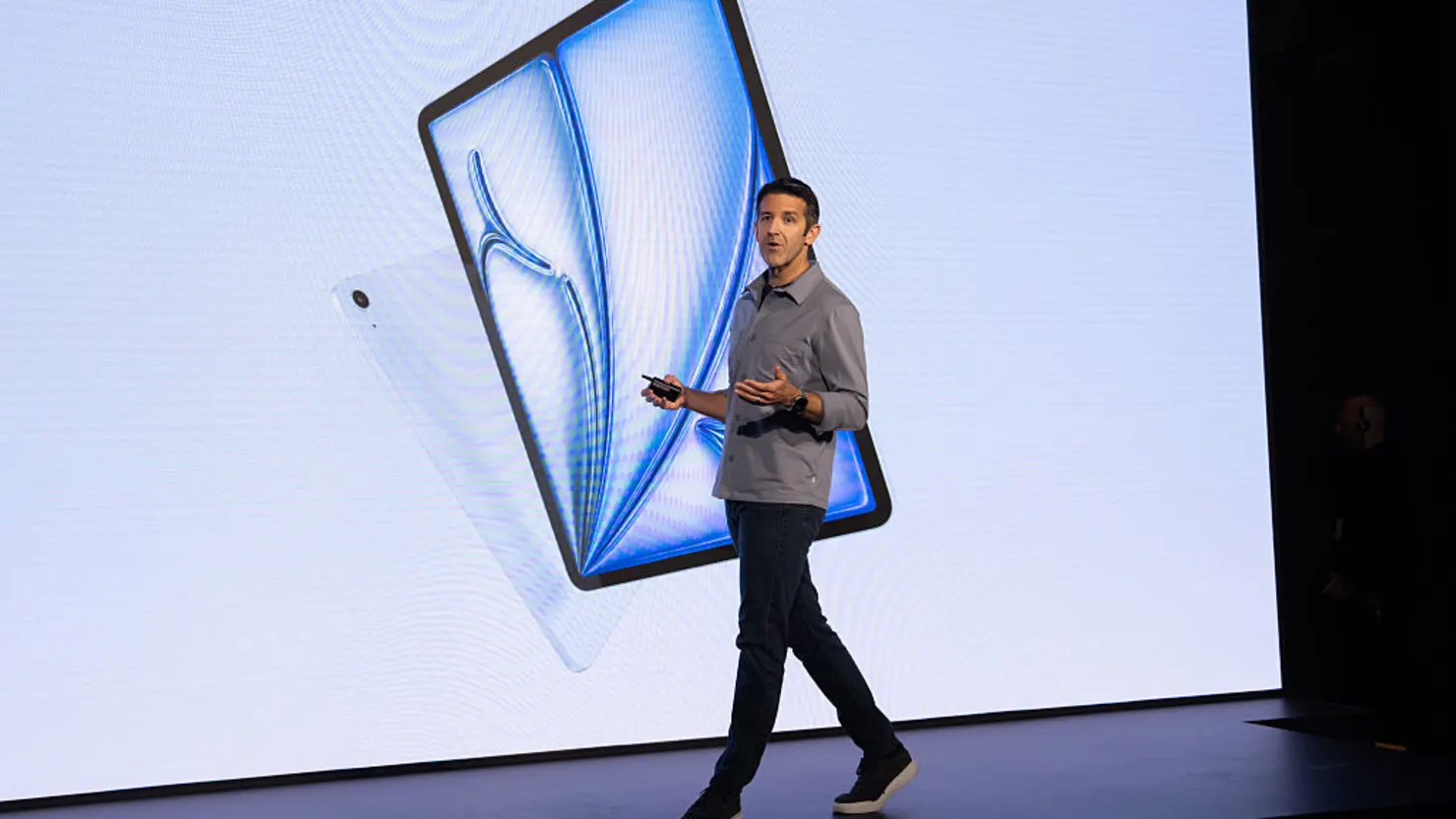
Tim Cook steps aside as John Ternus takes over—what it means for AI, geopolitics, and Apple’s $3T future
MARKET INSIDER – Apple’s leadership transition isn’t just a corporate reshuffle—it’s a strategic pivot that could reshape the balance between innovation, geopolitics, and artificial intelligence across the global tech landscape. As Tim Cook prepares to step down after more than a decade at the helm of Apple Inc., handing the CEO role to longtime insider John Ternus, investors are asking a deeper question: is this the beginning of Apple’s next growth chapter—or a signal of consolidation in an increasingly uncertain world?
Cook’s tenure, which saw Apple’s market value expand more than twentyfold since succeeding Steve Jobs in 2011, was defined not just by product innovation but by operational mastery and global diplomacy. His transition into a role focused on engaging policymakers suggests Apple is doubling down on a reality many tech giants now face—success depends as much on navigating governments as it does on building devices.
The elevation of Ternus, a hardware engineering veteran, signals continuity rather than disruption. Apple appears to be resisting the industry-wide scramble to reinvent itself around artificial intelligence. While rivals aggressively reposition around AI-first strategies, Apple’s decision to promote internally indicates confidence in its long-standing integrated model—where hardware, software, and silicon are tightly controlled under one ecosystem. In effect, Apple is betting that disciplined execution, not radical reinvention, will win the AI race.
That doesn’t mean change is off the table. Apple’s supply chain—one of its most powerful yet rigid assets—remains deeply intertwined with geopolitical shifts, from U.S.-China tensions to emerging manufacturing hubs in India and Southeast Asia. But such systems evolve slowly, often over decades, making any abrupt strategic overhaul unlikely under Ternus. Instead, incremental recalibration—rather than sweeping transformation—will define Apple’s international posture.
Where Ternus may leave his mark is in hardware philosophy. Apple’s innovation has quietly shifted over the past two decades—from bold external design changes to deep internal performance breakthroughs. The era of visually transformative products has given way to invisible revolutions in silicon, efficiency, and integration, driven in large part by executives like Johny Srouji. With Ternus at the helm, this engineering-first approach is likely to accelerate, reinforcing Apple’s edge in custom chips and vertically integrated systems.
The broader tech landscape underscores the stakes. From China’s AI contender DeepSeek unveiling new large language models, to Microsoft expanding global infrastructure investments and Meta intensifying AI data strategies, the competitive pressure is intensifying. Meanwhile, Tesla continues to struggle with growth expectations amid rising competition, highlighting how even industry leaders are vulnerable in this new cycle.
Apple’s transition, then, is less about leadership change and more about strategic clarity. In a market obsessed with disruption, Apple is choosing discipline. The real question for investors is whether that discipline will deliver the next trillion dollars in value—or leave the company trailing more aggressive AI-native competitors.
The contrarian view? In an era of hype-driven pivots, Apple’s refusal to chase the narrative could become its greatest advantage—or its most expensive mistake.
