
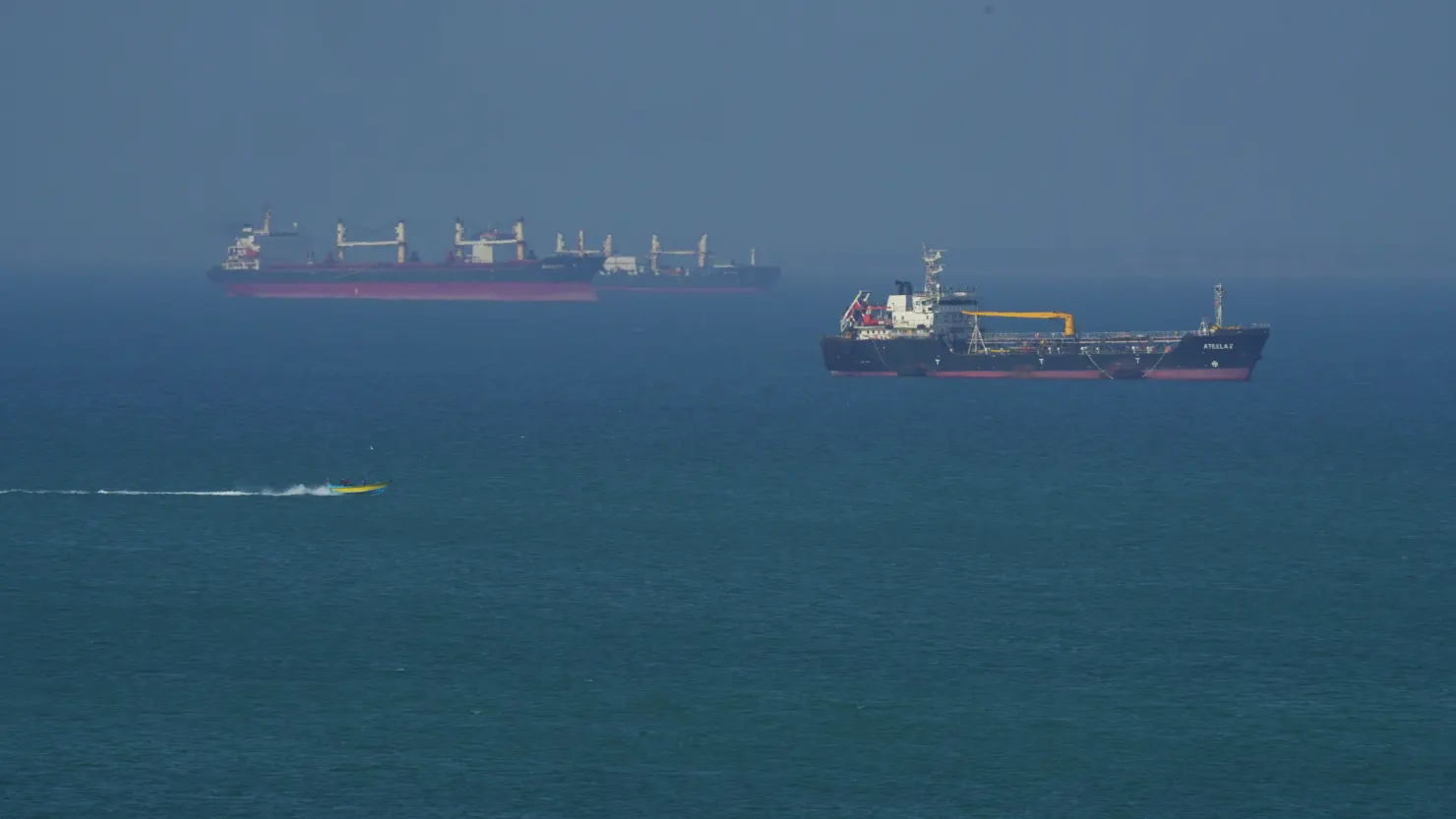
IEA warns of extreme volatility as Strait of Hormuz disruptions drain global oil supplies
MARKET INSIDER – Oil prices climbed again on Thursday as the world’s top energy watchdog warned that the Middle East conflict is triggering unprecedented supply disruptions, raising fears of a prolonged energy shock that could ripple across inflation, shipping, and global financial markets.
International benchmark Brent Crude rose to nearly $106 per barrel, while West Texas Intermediate traded above $101, extending a rally fueled by mounting instability around the Strait of Hormuz — the world’s most critical oil chokepoint. The warning from the International Energy Agency came as OPEC simultaneously cut its 2026 global oil demand growth forecast, underscoring how war-driven volatility is now reshaping both supply and consumption expectations.
The IEA said more than 14 million barrels per day of oil supply have been disrupted since the Iran conflict escalated in late February, with losses from Gulf producers now exceeding one billion barrels cumulatively. The agency warned that shrinking inventories and peak summer fuel demand could trigger even sharper price swings in the months ahead.
The Strait of Hormuz, which handles roughly one-fifth of global oil flows, has become the epicenter of investor anxiety after Iran intensified pressure on shipping routes. Analysts say the crisis is no longer just a regional security issue but a direct threat to global economic stability. Higher oil prices are already reigniting inflation concerns just as major central banks hoped to pivot toward lower interest rates.
In its latest monthly report, OPEC lowered projected oil demand growth for 2026 to 1.2 million barrels per day from 1.4 million previously. The cartel also revealed that production plunged by 1.7 million barrels per day in April alone, with total output now down more than 30% since the conflict began. The report is expected to be OPEC’s last to include data from United Arab Emirates following the country’s exit from the cartel earlier this month — another sign of shifting geopolitical alliances inside the global energy system.
Markets are now closely watching the upcoming meeting between Donald Trump and Xi Jinping, as Washington and Beijing face growing pressure to stabilize energy markets. Former U.S. Commerce Secretary Carlos Gutierrez said China has strong incentives to push for de-escalation because it remains one of the largest buyers of oil passing through Hormuz. “President Xi wants this war to be over as much as President Trump does,” he told CNBC.
What makes this oil rally especially dangerous is that it combines geopolitical risk with structural fragility. Unlike previous energy shocks driven mainly by demand spikes, today’s market faces simultaneous threats from war, supply chain disruption, shrinking spare capacity, and fractured global alliances. If the Strait of Hormuz remains unstable into the second half of 2026, the world may be entering not just another oil spike — but the beginning of a new era of geopolitical energy pricing.
