
Crude prices slip after a 4% surge as traders weigh war risks, Hormuz disruptions, and fragile diplomacy.
MARKET INSIDER – Global oil markets swung sharply on Wednesday as traders reassessed the risk of a broader Middle East supply shock following renewed U.S.-Iran military tensions near the Strait of Hormuz, one of the world’s most critical energy chokepoints. After surging nearly 4% in the previous session, crude prices pulled back as investors searched for signs that diplomacy could still prevent a deeper escalation with potentially massive consequences for inflation, shipping, and global economic growth.
Brent crude fell 1.43% to $98.16 a barrel, while U.S. West Texas Intermediate (WTI) dropped 1.77% to $92.23 in early trading. The retreat came despite fresh military strikes by the United States against Iranian-linked targets, a move that shattered hopes of a near-term breakthrough in negotiations aimed at stabilizing the region and reopening the Strait of Hormuz.
The latest volatility underscores how deeply energy markets remain tied to geopolitical risk. Roughly a fifth of the world’s oil and liquefied natural gas flows through the narrow waterway separating Iran from Gulf producers including Saudi Arabia, the UAE, Kuwait, and Qatar. Even temporary disruptions can send shockwaves through supply chains, shipping insurance markets, airline costs, and central bank inflation forecasts from Washington to Tokyo.
Iran accused the United States of violating an earlier ceasefire agreement by launching strikes near the contested maritime corridor, while Washington defended the operation as a necessary security response. The renewed confrontation threatens progress made after April’s ceasefire, which had raised cautious optimism that energy flows through Hormuz could normalize after months of instability.
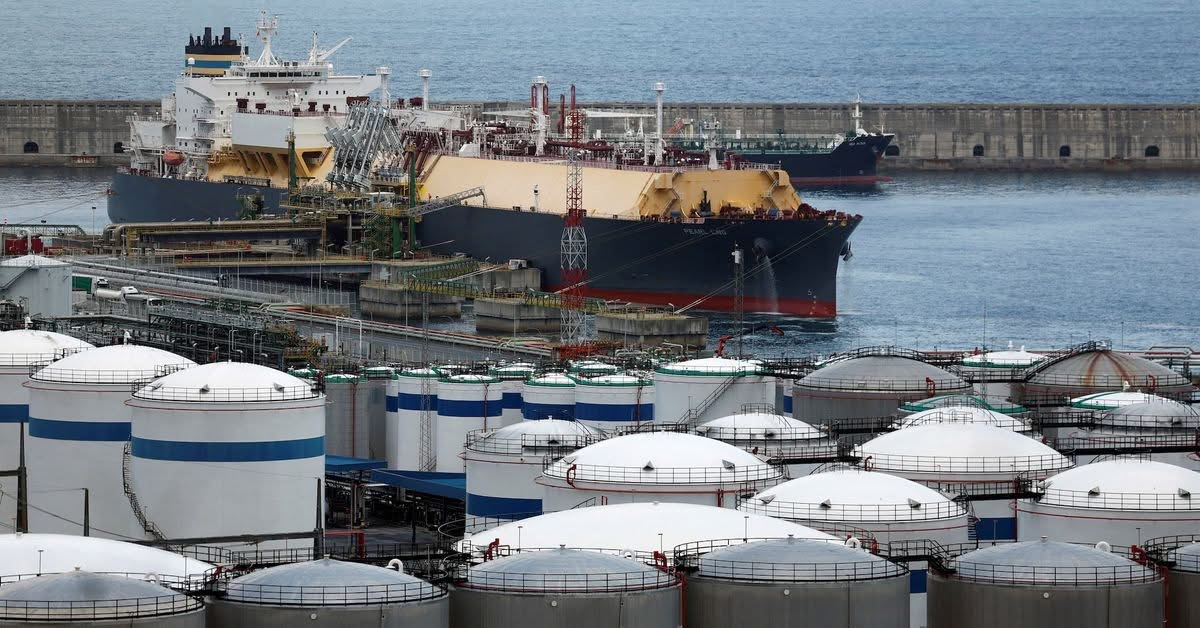
At the same time, regional tensions widened as Israel intensified bombing operations in Lebanon, adding another layer of uncertainty for traders already navigating fragile ceasefire negotiations across the Middle East. Yet markets also found some relief in reports that several LNG tankers successfully passed through the Strait in recent days, reinforcing hopes that a complete shutdown may still be avoided.
For investors, the bigger question is no longer whether geopolitics can move oil markets — it is whether the world economy is prepared for an era where energy security once again becomes the defining macroeconomic variable. If Hormuz remains vulnerable, crude prices near $100 may shift from a temporary spike to a structural reality, reigniting global inflation fears just as major economies struggle to sustain growth.
