
Early cost of Middle East conflict raises questions about funding, strategy, and long-term economic impact
MARKET INSIDER – The United States has already spent more than $11 billion in the first six days of its military conflict with Iran, highlighting the enormous financial cost of the rapidly escalating war and raising questions in Washington about how long the campaign can be sustained.
According to officials in the administration of Donald Trump, the Pentagon has spent at least $11.3 billion since the conflict began on Feb. 28, Reuters reported, citing briefings given behind closed doors to U.S. senators. The figure does not include many additional costs associated with preparing for military operations across the region.
The early spending pace has already alarmed lawmakers. Some congressional aides expect the White House to soon submit a supplemental funding request to Congress, potentially seeking as much as $50 billion to finance continued military operations.
Much of the initial cost stems from the intense use of high-precision weapons. U.S. defense officials told Congress that roughly $5.6 billion worth of munitions—including cruise missiles such as the Tomahawk missile—were deployed during just the first two days of combat.
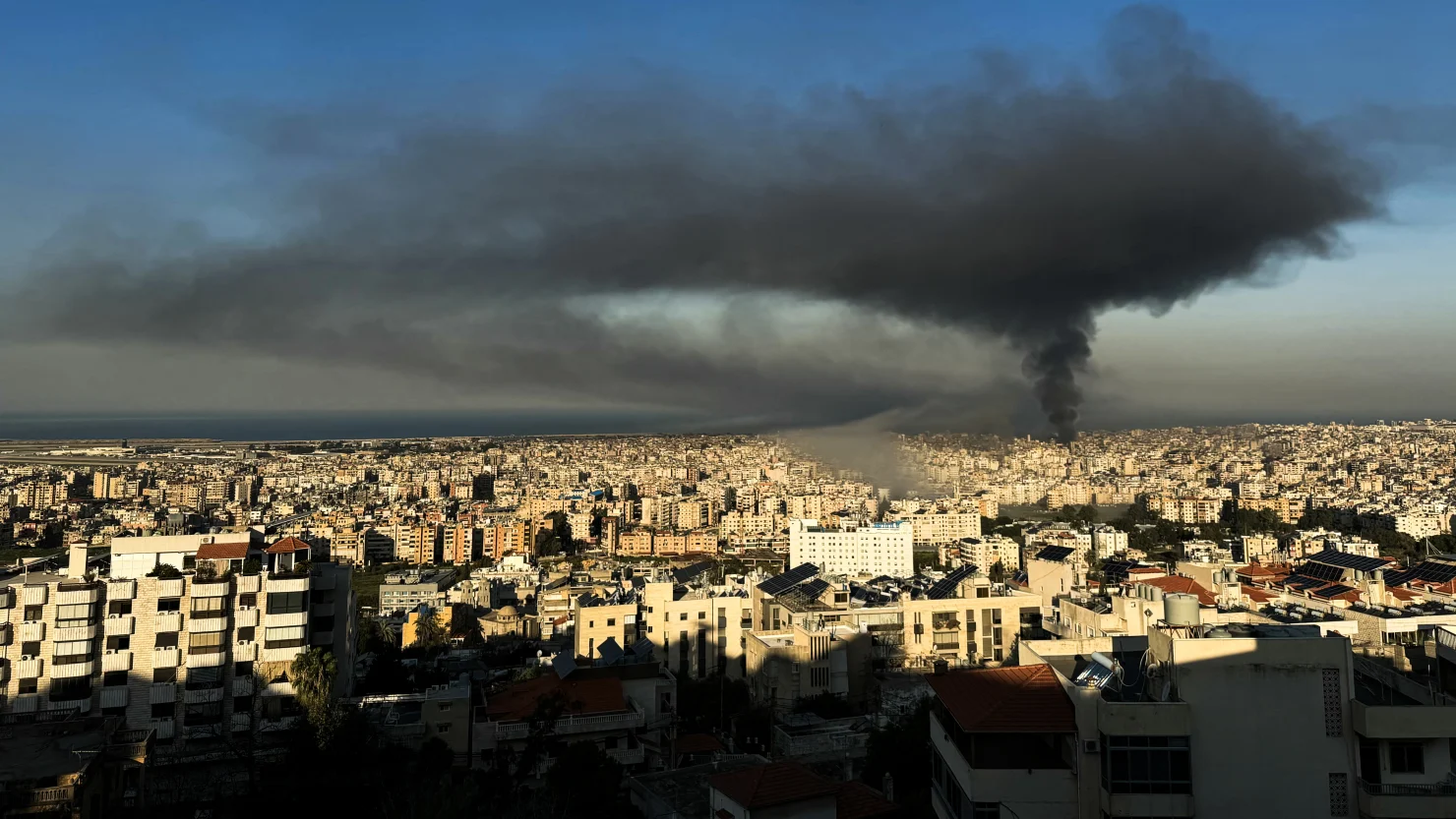
The war began when United States and Israel launched coordinated airstrikes against Iranian targets. Tehran retaliated with missile and drone attacks against Israel and U.S. military bases across the Gulf region, rapidly widening the conflict.
Despite the mounting costs, the Trump administration has not publicly outlined the expected duration of the campaign or provided a full estimate of its financial impact. Speaking earlier this week, Trump said the United States had already “won” the war but would remain involved to “complete the mission.”
The fighting has already taken a heavy human toll. Reports indicate that roughly 2,000 people have been killed, most of them inside Iran, as strikes continue across multiple countries in the region.
Beyond the battlefield, analysts warn that the financial burden of the conflict could ripple through global markets. Wars in energy-rich regions often drive higher oil prices, increase government borrowing, and complicate fiscal policy—especially for the world’s largest economy.
For investors and policymakers alike, the rapid spending surge underscores a familiar reality: modern warfare is not only a geopolitical event—it is also an economic one, capable of reshaping government budgets, energy markets, and global financial stability.
