
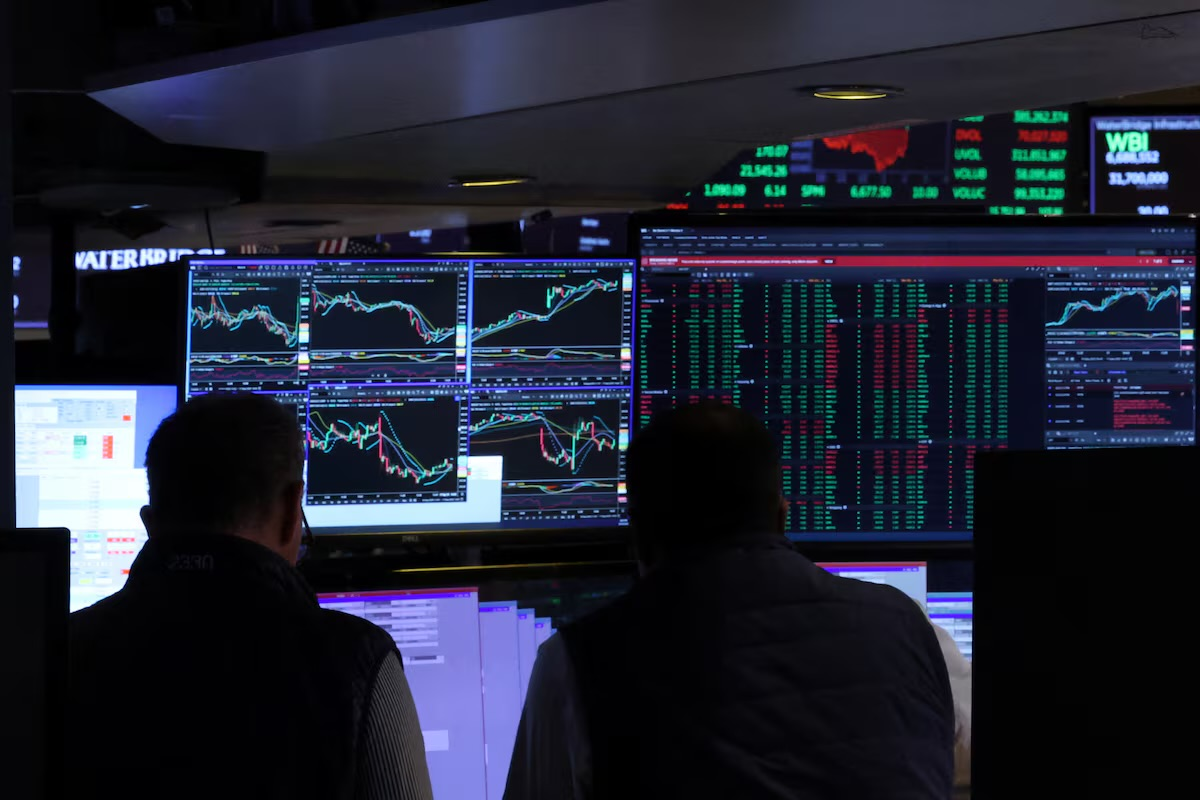
Markets rebound as easing Middle East tensions and stable inflation outlook lift investor sentiment worldwide
MARKET INSIDER – Global markets snapped back overnight as easing oil prices and renewed hopes of a Middle East de-escalation sent U.S. stock futures sharply higher—highlighting just how tightly geopolitics and energy flows are now dictating investor behavior. The shift came after Donald Trump reportedly signaled willingness to end military operations involving Iran, even as risks around the Strait of Hormuz remain unresolved.
Futures tied to the S&P 500 climbed nearly 0.9%, while Nasdaq-100 futures rose in tandem and Dow Jones Industrial Average futures surged more than 400 points. The rally followed a rapid reversal in oil markets, where Brent crude and West Texas Intermediate erased earlier gains after fears of supply disruption briefly intensified.
The volatility underscores a deeper structural tension: the global economy remains acutely sensitive to disruptions in energy chokepoints, with roughly 20% of the world’s oil passing through Hormuz. Reports of an Iranian strike on a tanker near Dubai initially sent oil prices higher, but confirmation of no casualties and diplomatic signals from Washington quickly cooled markets. For investors, the message is clear—geopolitical headlines are now acting as intraday macro triggers, rivaling traditional economic data in market impact.
Despite the rebound, underlying fragility remains. The S&P 500 is still down more than 9% from its recent peak, driven largely by a pullback in technology stocks. Yet market strategists argue the correction reflects a cyclical reset rather than systemic stress. Historically, 10% drawdowns occur roughly every two years, serving as a necessary recalibration in long-term bull markets. The spike in the CBOE Volatility Index above 30 earlier this week reinforces how quickly sentiment can swing in an environment dominated by geopolitical uncertainty.
Adding to the cautious optimism, Jerome Powell signaled that inflation remains contained, reducing pressure for further interest rate hikes. This combination—easing geopolitical risk and a stable monetary outlook—has created a short-term tailwind for equities, particularly after several weeks of sustained losses.
The next test for markets will come from incoming U.S. data, including consumer confidence and labor market indicators, which will help determine whether this rebound has staying power or is merely a relief rally.
For global investors, the bigger question is not whether volatility will persist—but whether markets have already priced in the worst of the geopolitical risk. If energy flows stabilize and diplomacy holds, this pullback could mark a strategic entry point. If not, the current rally may prove to be just another pause in an increasingly headline-driven market cycle.
