
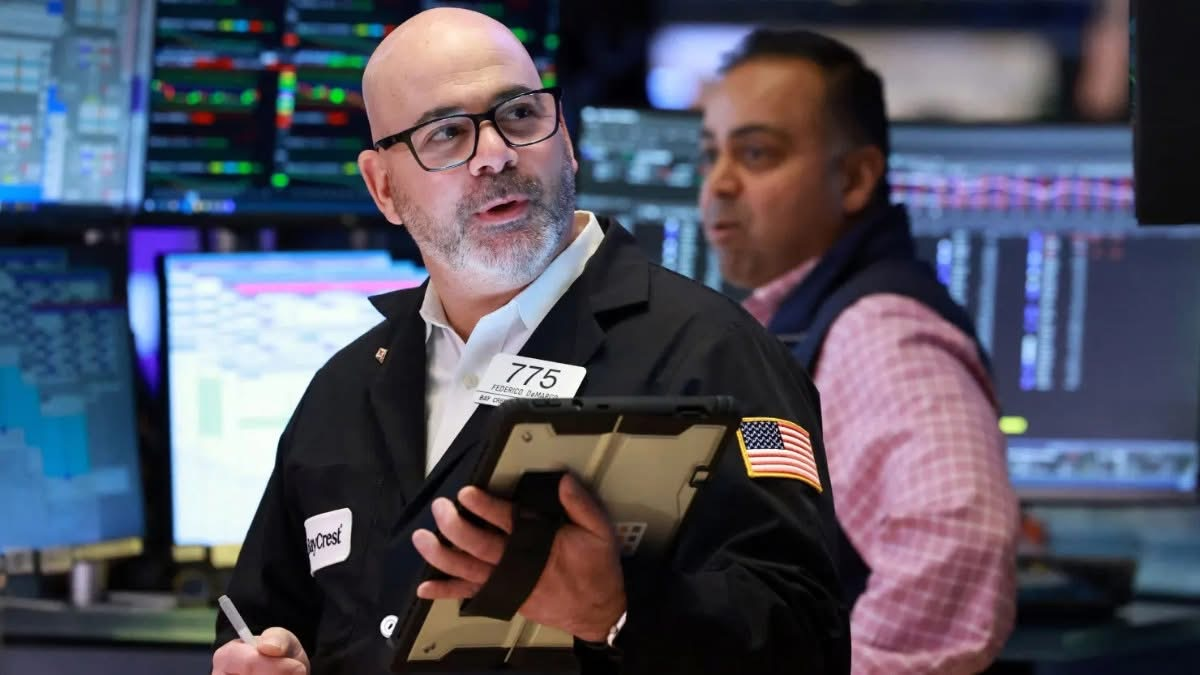
Markets erase war losses as tech surge and easing inflation fuel global risk appetite
MARKET INSIDER – Wall Street is sending a clear message to global investors: geopolitics may shake markets—but it no longer defines them. Just one day after wiping out losses linked to the Iran conflict, the S&P 500 Index pushed higher again, signaling a renewed appetite for risk even as U.S.-Iran tensions remain unresolved.
The rally underscores a deeper shift in global capital flows. Investors are increasingly pricing geopolitical shocks as temporary disruptions rather than structural threats, with liquidity, earnings momentum, and AI-driven growth narratives taking center stage. That recalibration is now rippling across global markets—from New York to Asia—where risk assets are regaining traction.
The Dow Jones Industrial Average climbed 319 points, while the Nasdaq Composite surged 1.4%, led by a renewed spike in technology stocks. Oracle jumped 7%, extending a two-day rally exceeding 20%, while Nvidia and Palantir Technologies continued to climb—reinforcing the dominance of AI-linked equities as the market’s primary growth engine.
What makes this rally notable is its timing. It comes just days after the breakdown of U.S.-Iran negotiations, a development that would have historically triggered sustained volatility. Instead, comments from Donald Trump suggesting both sides remain open to a deal have helped anchor expectations that escalation risks are contained. Strategists increasingly believe markets have already priced in a “baseline level” of geopolitical anxiety, limiting downside surprises.
Energy markets, often the first barometer of geopolitical stress, are also signaling de-escalation. Crude prices reversed sharply, with West Texas Intermediate falling around 5% and Brent crude slipping 3%. The pullback suggests traders are dialing back worst-case supply disruption scenarios—another tailwind for equities and global growth sentiment.
Macro data added further fuel. A softer-than-expected U.S. producer price index reinforced the narrative that inflation pressures are easing, giving the Federal Reserve more flexibility on monetary policy. That combination—cooling inflation and resilient earnings—has historically been a powerful catalyst for equity upside.
Still, not all signals are uniformly bullish. Wells Fargo dropped more than 5% after disappointing results, while JPMorgan Chase edged lower despite beating expectations, after trimming its net interest income outlook. The divergence highlights a market increasingly selective—rewarding growth visibility while punishing uncertainty.
The bigger story, however, is structural. Markets are no longer reacting to geopolitical headlines with panic—they are arbitraging them. For global investors, that raises a critical question: if even a Middle East conflict cannot derail the rally, what will? The answer may not lie in geopolitics at all, but in whether earnings and AI-driven growth can continue to justify valuations now approaching historic extremes.
